
Re/Max Masters Millenium

Budget Squeeze Nurtures Shabby Lawns, Fewer Flowers Plus Whiffs Of Funky-Foul Odor As City Cuts Garbage Pickups
by Glen Richardson
Lovely, clean running paths. Beautiful landscaped parks that are unrivaled in the Mountain West. As the pandemic has surged, Valley residents have become increasingly worried about the rippling effect the epidemic and ensuing economic tsunami will have on Denver’s park system.
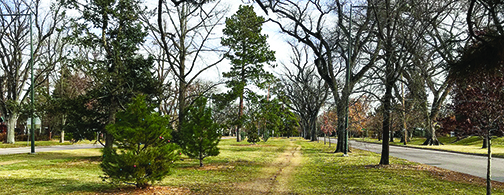
As the virus and subsequent stay-at-home order wore on during the summer, residents of all ages embraced city parks and neighborhood streets as a way to reduce stress-anxiety and as an antidote to cabin fever. Life literally and factually became “like a walk in the park.”
The big question now: What will Denver city parks look like this winter and into next spring?
Double-Barreled Jolt
With more than 200 parks totaling over five-thousand-acres within the city and county of Denver, the twin crises of the pandemic and an economy in free fall are putting Denver parks under punishing pressure. The crunch is principally due to the sharp drop in all forms of city tax revenue.
Steps under consideration or already being implemented include hiring freezes, furloughing or laying off employees, putting projects on hold and foregoing planned purchases (including new park space). The city is trimming another 6% from the department’s budget this year (2021), the Parks Department’s second consecutive austerity year.
Although cuts to the department’s previously rosy budgets are hard-hitting, the impact of the cutback will most likely be felt due to the dramatic drop in the number of experienced employees. At the end of summer two dozen of Park & Recreation’s most experienced employees were offered retirement packages. Combined those retirees had 535 years of service-experience, averaging 25 years with the department. Look for their loss to erode the places where Denver’s outdoor-loving residents work and play, hike and bike more than all other factors combined. Another 19-20 full-time employees are likely to take the incentive retirement program if it is offered this year.
Fading Facade
The initial reaction to the changing appearance of nearby parks for many residents will simply be, “They cut cost but not the grass.”

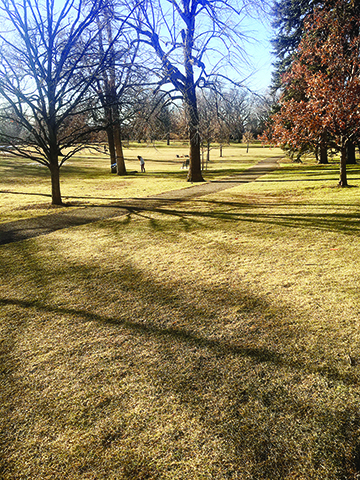
What’s realistic?: Expect a reduction in mowing, fertilization and irrigation to impact the appearance of lawns and gardens in parks around the city. More: Also anticipate a major increase in litter and trash accumulation.
The bottom line: Longtime park employees still remaining say that park spaces around the city will become scrappy, patchy and disorderly. But, “without deteriorating significantly,” they add hopefully.
Fewer Flowers
The cutback will be most noticeable from a distance or when riding in a car as residents notice longer grass, more weeds, fewer flowers and more snow.
Park lawns and turf fields — grass to play sports on — that were aesthetically pleasing in previous years will be considerably less eye-catching. The reason is the department is now weeding weekly and trimming every three weeks. In addition, the department will plant fewer flower beds come flower bed season. Without shoveling, residents will also observe that the snow is sticking around longer.
The city also watered park lawns less last year, but say they don’t plan to reduce irrigation in 2021. The department also won’t let up on planting trees as they fear many are doomed once the emerald ash borer hits Denver. Already confirmed in Arvada, the invasive beetle preys on ash, the second-most prevalent tree in the city.
Garbage Buildup
Those walking near parks, even when wearing a mask, are likely to notice a funky, foul odor coming from within.
Reason for the whiffs of rank, putrid scents within and along the parameter of parks is due to a dramatic cut in garbage pickups, including dog-poop trash cans.
The department slashed trash removal by 1,800 hours per month last year, and is foregoing scheduled garbage pickups again this year. In addition to garbage within parks, Parks & Rec has scaled back maintenance of all city parkways and removed all dog poop trash cans.
Rec Center Hours
For families with youngsters at home, however, shorter hours and fewer programs at some of the city’s 30 rec centers will be felt the most since many homes rely on them after school. Community spaces for kids are, of course, currently shuttered. Closure, however is not due to budget cuts but because of COVID-19 public health orders.
Current plans call for reopening of city rec centers on April 15, 2021. If and when they do open, eight will have shorter hours. They are what the Parks & Rec Department consider Denver’s bigger, regional centers that can absorb more cuts with fewer negative effects than most “neighborhood” rec centers.
The eight major rec centers that will have shorter hours when they do reopen are: Scheitler, Washington Park, Rude, Montclair, Montbello, Central Park, Carla Madison, and Athmar Park. Officials say that centers serving lower-income areas will not have their hours cut upon reopening.
Bathrooms, Vehicles
Bathrooms in city parks are normally closed during the winter since most don’t have heat. This year, of course, they were shuttered due to the pandemic. The Park & Rec Department’s original plan was to keep them closed to save money even if public health gave the go ahead to reopen. Councilwoman Robin Kniech, however, secured money from the Hancock administration to open restrooms and portajohns with handwashing stations this spring.
Currently Denver has seven parks closed to vehicles: Cheesman Park, City Park, Congress Park, Inspiration Point, Ruby Hill, Sloan’s Lake and Washington Park. Expect them to remain closed to cars during the pandemic, but a final decision won’t be made until after a public process this summer.
During the current crisis, Denver’s parks have provided a relatively safe respite from our stressful, often isolating lives during the pandemic. They’ve provided recreation when the city’s usual venues — museums, theaters, schools, stores, movies, bars, and just about everything else — have been closed. As the New Year begins it is unclear whether the city’s budget woes will wallop Denver parks beyond functional use.