by Rosalie Shanks, Registered Dietitian and a Lifestyle Coach, YMCA of Metro Denver
Now, more than ever, it’s important to take steps to support and bolster our immune systems. A balanced diet, along with good hygiene, sleep and stress management can play a crucial role in fostering a healthy immune system and fighting off illness.
An eating plan focused on nutrient-dense foods can give your body the extra protection it needs to become strong and healthy. There is no one quick food “fix-for-all” solution when it comes to health, but listed below are some key nutrients that play a role in immune support.
• Zinc promotes the growth and maintenance of immune cells, helps to heal wounds, and has some responsibility for taste and smell.
Good sources of zinc: beef, poultry, fish, eggs, legumes, nuts and seeds
• Vitamin C is an antioxidant that fights off free radicals — the molecules that damage our cells. It supports tissue development and repair, and maintains strong bones, teeth, and cartilage.
Good sources of vitamin C: citrus fruits, strawberries, tomatoes, bell peppers, brussels sprouts, cauliflower, potatoes
• Vitamin A assists the body in fighting off infection, improves vision and keeps the skin healthy.
Good sources of Vitamin A: orange/yellow fruits and vegetables, including carrots, sweet potatoes and apricots, and dark, leafy-green vegetables such as spinach, kale and broccoli
• Vitamin E is an antioxidant that enhances immune function and benefits heart health.
Good sources of Vitamin E: vegetable oils, such as soybean or olive oil, seeds, almonds and avocado
• Protein is valuable for two reasons — B vitamins and recovery time. B vitamins, specifically B6, B9 (folate) and B12, help the body produce energy, fight infection and create new blood cells. Protein also helps to restore damaged tissue so your body can heal from sickness at a quicker rate.
Good sources of protein: beef, chicken, seafood, eggs, milk, soy, beans, lentils, nuts and seeds
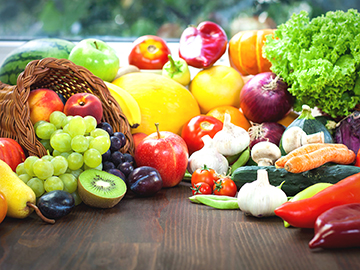
Trying to remember all those nutrients and food sources can be overwhelming, so instead, focus on making your plate balanced and colorful. Aim for at least five servings of fruits and vegetables each day. Essential vitamins and minerals are found in a variety of different foods, so be sure to mix up your food choices.
If you have trouble consuming enough vegetables, try this delicious smoothie that is packed with immune supporting nutrients!
Green Machine Smoothie
• A heaping handful of spinach
• 1/4 avocado
• 1/2 c carrots
• 1/2 c cucumber
• 1 frozen banana
• 1/2 c 100% fruit juice
• 1/2 c vanilla Greek yogurt
• 1 tablespoon hemp seed
Mix in the blender and enjoy!
Visit www.denverymca.org to learn more about fitness and nutrition programs at the YMCA of Metro Denver.
As the weather gets warmer and more time is spent enjoying the outdoors, staying hydrated is key, especially living at high altitude. Water is an essential part of a healthy diet, in fact, our bodies are made up of about 60% water. It maintains all functions in the body and helps keep your temperature normal. Your body loses water through breathing, sweating, and digestion, so it’s important to rehydrate throughout the day.
Why is staying hydrated so important? Water plays such a key role in our bodies, including the following.
• Keeps temperature normal
• Lubricates and cushions joints
• Gets rid of waste
• Carries nutrients and oxygen to cells
• Protects organs and tissues
• Aids digestion
• Maintains blood pressure
How much water do you really need each day?
It may seem like a simple question, but the answer is quite complicated. Like all nutrition recommendations, it depends on a variety of different factors such as age, weight, height, activity level, and overall health. Women who are pregnant or breastfeeding require more water, the same is true for athletes. Individuals with certain heart conditions and renal disease also have specific fluid needs. The standard recommendation is about 64oz per day. However, for the average healthy adult the National Academy of Medicine recommends:
• Men: 13 cups per day
• Women: 9 glasses per day
• Pregnant women: 10 glasses per day
• Breastfeeding women: 13 cups per day
Hydration Check
How can you tell if you’re getting enough water? The following are signs of dehydration that serve as key warning signals.
• Thirst
• Headaches
• Dry skin
• Fatigue
• Irritability
• Lack of sweat and urination
The easiest way to tell if you are hydrated is to check the color of your urine. A pale-yellow color indicates you are consuming enough fluid. A dark yellow, strong-smelling urine is a sign of dehydration.
It’s important to consume more water after physical activity, in hot weather and when you’re sick, as your body is using it more rapidly.
Tips to increase fluid intake:
• Track your glasses of water/day
• Carry a reusable water bottle around
• Drink from a straw
• Level up your water — add citrus, herbs, fruit
• Alternate morning coffee with a glass of water
• Download a water tracking app on your phone
Other Sources Of Water
Don’t just drink your water, eat it too! While 80% of our fluid comes from beverages, 20% of your daily needs can be met with food. Here are some fruits and veggies that are high in water content:
• Lettuce: 96% water
• Tomatoes: 95% water
• Cucumber: 96% water
• Celery: 95% water
• Watermelon: 91% water
• Strawberries: 91% water
• Cantaloupe: 90% water
• Citrus: 82% water
Level Up Your Drink
If you have trouble getting in plain water, check out this recipe framework to add some flavor without the added sugar! Add of these ingredients to 2 quarts of water and refrigerate for 2 hours.
• 1 lime, 1-pint raspberries
• 4 cups watermelon, 6 sprigs mint
• 1 lemon, 1 lime, 1 orange
• cucumber, 1 cup strawberries
• Steep your favorite tea and pour over ice
• Opt for a sparkling water (make sure there are no added sugars)
Rosalie Shanks is a registered dietitian with experience in health coaching and specializes in weight and diabetes management. She is an advocate for community organizations that promote food access and sustainable food systems.
Besides the Fourth of July, did you know July marks the observance of Social Wellness Month? So, what does that mean, exactly? Social wellness refers to the relationships we have and how we interact with others. And for many of us, our social wellness has been put to the test over the past few months due to the COVID-19 pandemic.
Self-quarantine. Isolation. Social distancing. All are words that have become commonplace in our lives. Thankfully, many of us have found workarounds with virtual calls and limited gatherings with family and close friends.
Social wellness is an important part of one’s overall health. In fact, it’s been proven that people who are “socially well” often share some of the following health benefits.
•People who have healthy relationships respond better to stress.
•Healthy social networks enhance the immune system’s ability to fight off infectious diseases.
•Those with a strong social network tend to live longer.
“Sometimes the hardest part of maintaining our social wellness is just getting started,” said Monica B. Thompson, Senior Director, Community Integrated Health & Lifestyle Medicine, YMCA of Metro Denver. “But without a doubt, those who stay active and have solid relationships and connection with others live happier, healthier and more purposeful lives.”
So, how can you increase/build your own social wellness? Promoting your social wellness is easier than it sounds.
•Join a wellness center or an exercise group that allows you to meet new people while benefiting from exercise.
•Take a walk with your pet. A daily walking routine provides not only physical activity but also a change to meet your neighbors.
•Volunteer for a cause or organization you’re passionate about. Giving of your time will make you feel good and give you the opportunity to meet others with similar interests.
•Join a group or find others who share a hobby, such as gardening, scrapbooking, painting, etc.
Caitlin Stackpool is the Director of Community Integrated Health for the YMCA of Metropolitan Denver. With a background in clinical exercise physiology and health education, she has a passion for disease prevention through making small lifestyle changes.
It’s been proven that people who have a strong mind-body connection have better overall health. But just what is the mind-body connection and how can you strengthen yours? The mind-body connection means that our attitudes, beliefs and emotions can positively or negatively affect our biological functioning. As the expression goes, “healthy mind, healthy body.”
Especially now during the COVID-19 pandemic, many of our worlds have been turned upside down; daily habits, routines, travel and interaction with others is all off balance. But we can still strive for that healthy mind-body connection using the simple steps below.
Before you get started, remember, don’t be hard on yourself. As with everything, practice makes permanent; grant yourself grace as you find what works for you and what doesn’t.
1. Practice Mindfulness
Whether you realize it or not, your body responds to the way you think, feel and act. Poor emotional health can weaken your body’s immune system. For example, after a stressful event, such as a job loss, you may suffer from lack of sleep, headaches or even high blood pressure — it’s your body’s way of reacting to your brain.
Be sure to spend some time each day focused on the things that you are grateful for in your life. Relaxing methods include meditation, diaphragmatic breathing, listening to music, among many other practices to bring your emotions to balance. A variety of calming and empowering mind-body exercises have been provided to help people decrease anxiety and pain, and also enhance sleep.
Les Mills is a resource providing free, online mindfulness videos during the COVID-19 pandemic; you can access them on the YMCA of Metro Denver’s website.
2. Feed Your Body Healthy,
Nutritious Foods
Are you familiar with the notion, “you are what you eat?” Food is fuel for your body — feed it a healthy balance of fruits, vegetables, carbohydrates and lean proteins to sustain not only your physical health but also your mental health.
Allow yourself sweets and other treats you enjoy in moderation and don’t beat yourself up for their enjoyment.
Looking for ideas and inspiration? Check out a few of the YMCA of Metro Denver’s free, healthy nutrition and cooking classes on our website. www.youtube.com/ channel/UCmTacP0rz2k4CyDwRtIrFUg.
3. Exercise Daily
Regardless of age, body type or ability, every “body” benefits from daily physical exercise. Depending on your fitness goals, just 20 minutes of daily physical movement can help improve your health and wellness and help you lead your fullest life possible.
If your fitness center is still closed due to COVID-19 precautions or if you’re interested in working out from home, you can access free, on-demand workouts on the Y’s website from the comfort of your own home.
4. Connectedness
Find a source of inspiration that is bigger than you. Whether it’s church, your spiritual practice, volunteerism or connecting with family and friends, devote time to things that matter to you and make you feel centered and connected.
5. Take Care Of Yourself
At the end of the day, establishing strong emotional and physical health is like a recipe — add the key ingredients, along with a dash of creativity and, like with all good recipes, improvise what works for you and what doesn’t. The key is to feed your mind, body and soul to nurture the best possible you.
Caitlin Stackpool is the Director of Community Integrated Health for the YMCA of Metropolitan Denver. With a background in clinical exercise physiology and health education, she has a passion for disease prevention through making small lifestyle changes.
It’s common to want to make sure there is plenty of food in the house, especially in light of recent times. Still, no matter what’s going on in society, it’s also common to not know exactly what you should stock up on — especially when you want to make healthy decisions and provide nutritious options for your family. Focusing on foods in these three main categories can help.
Assortment of fruits and vegetables
Whole Grains
Whole grains are a type of complex carbohydrate that are important because they contain fiber, which can decrease the risk for heart disease, diabetes, and cancer. Grains that aren’t whole, such as white bread, white rice, white pasta, and sugary cereals, are a type of simple carbohydrates. Simple carbohydrates can raise blood sugar and insulin levels quickly and then crash, leading to decreased energy and hunger. Foods that are full of fiber will increase fullness and slow down the release of blood sugar, giving us sustained energy throughout the day.
Examples of whole grains are foods that have 100% whole wheat, including cereals, breads and pastas, steel-cut oats, waffles with whole grains, whole grain pancake mixes, whole grain tortillas, quinoa, and brown rice. Be sure to read labels and look for 100% whole wheat.
Sweet potatoes are a complex carbohydrate that is another great choice from this category.
Fruits And Vegetables
Fruits and vegetables are super important because they are full of fiber, plus vitamins, minerals, and antioxidants that boost the immune system. It can be challenging to stock up on fresh vegetables and fruits, but frozen and canned vegetables work just as well. These options are usually picked at their peak of freshness and then frozen or canned, so they can actually be higher in vitamin and mineral content than fresh varieties.
Fresh produce that tends to have a longer shelf life are: apples, oranges, grapefruit, cabbage, beets, potatoes, spaghetti squash, onions and garlic.
Frozen berries can be thawed and added to cereals and whole wheat muffin mixes, or used frozen to put in smoothies. Extra fresh spinach, kale and overripe bananas are great to bag up and freeze for future smoothies.
Dried fruit can be a good option as long as it does not contain added sugar. When looking for canned fruit, check that it’s not packed in heavy syrup. For canned vegetables, look for “no salt added” or be sure to rinse veggies first before cooking. Canned pumpkin is a fun way to get more vegetables by adding it to soups, chilis and pancake/waffle mixes.
Protein
The last category is protein, which helps build and maintain muscle. Protein helps us feel full after meals and build antibodies, which is very important in fighting off infections. There are many sources of protein that you can stock up on in your pantry, fridge and freezer. Great sources of protein are chicken breasts, fish, turkey, eggs, Greek yogurt with no sugar added, and canned chicken or tuna packed in water and not oil.
Plant-based sources are beans (look for no-salt-added or rinse beans before cooking), edamame, lentils, nuts and seeds. When making good nutrition choices for your family, it’s easy to feel overwhelmed. Narrowing your focus to these three areas can help eliminate the confusion and keep your nutrition on the right track. To learn more tips for eating right, contact the nutrition experts at your local YMCA.
A former pediatric nurse, Liz Bravman, RN, is a cycling instructor, nutrition educator and personal trainer at the Susan M. Duncan Family YMCA in Arvada. She has a Bachelor of Science degree in nursing and a Master’s degree in nutrition education.
Summer is fast approaching, and for a lot of people, it means more outdoor activities and trips to the Farmers Market. But the reality is that staying fit and eating nutritiously can be challenging this time of year, especially for children.
Research shows that when they’re away from their usual routines, kids may not eat as healthy or stay as active as they normally do. But going into the summer with good eating habits that focus on nutritious foods can help keep kids’ energy levels up and maintain a healthy body weight. And, healthy eating habits that begin at a young age are the easiest to sustain throughout a lifetime. In honor of Healthy Kids Day, April 18, try these tips for creating a healthy and active summer for you and your whole family.
Involve kids in planning and cooking meals. If they’re heading out for long summer days, encourage kids to pack their own lunches and snacks. If they are involved in the planning and cooking process, they will likely gain more interest in nutrition in general.
Encourage mindful eating. Avoid screens at meal time and focus on being present at the dinner table, if possible. Ask your kids what it feels like to be very hungry, a little bit hungry, comfortably full and uncomfortably full. Discuss the importance of trusting and listening to your body’s cues.
Eat breakfast. Go beyond cereal and milk and try a breakfast burrito made with a scrambled egg, cheese and salsa wrapped in a whole grain tortilla. Also, teach kids how to use the blender to make their own breakfast smoothies, or serve a yogurt bar with low-fat plain or vanilla-flavored yogurt. Add toppings like whole grain cereal, dried fruit and unsalted nuts.
Encourage trying new foods. Explore new fruits and vegetables at the grocery store together. This can be helpful for picky eaters because it gives them more control over their choices and entices them to try new things on their own.
Add veggies for a nutrition-packed meal. Try mixing fruits and veggies together, so a little sweet from the fruit rubs off on the veggies, such as sliced baby carrots mixed with a few raisins or dried cranberries or celery sticks with apple slices.
Invest in fun lunch containers. This can be a fun process of picking out a container with their favorite design. Plus it encourages making homemade lunches, which can be more nutritious than other options.
Start where you are. Finally, keep in mind that many people may feel overwhelmed when it comes to changing habits or learning new ways to shop or cook. But it’s important to just start, regardless of your family’s level of experience with nutritious foods. Remember that every action counts, no matter how big or little. Whatever you do to introduce healthy opportunities, the better health and wellness of kids later on in life.
Cami Woomer is a nutritionist, DTR (Dietary Technician, Registered), and a Certified Health and Wellness Lifestyle Coach. She is involved in many YMCA programs, including Diabetes Prevention, Healthy Weight and Your Child, and Blood Pressure Self-Monitoring. Her passion is showing others how healthy habits are achievable and one of the greatest ways to feel your best.