
by Mark Smiley | Nov 21, 2016 | General Featured
by Ruthy Wexler
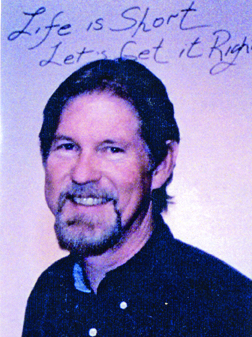 The John Hand Theater in Lowry is a singular Cherry Creek Valley experience. Welcomed into a tiny lobby, you feel . . . instantly at home. Sipping a glass of wine in your seat, you feel . . . curiously content. Watching talented actors give their all, you are stimulated, moved and somehow, included. When you leave, you feel . . . the opposite of alone.
It’s exactly what John Hand had in mind.
Who is John Hand?
A charismatic guy with a million ideas, John left his revitalizing mark all over Denver. He ran an antique shop, owned a deli, bought and sold real estate, founded Colorado Free University . . . and that’s the short list. When the Lowry Air Force Base began its redevelopment in 1999, John, then 52, bought the base’s firehouse as a satellite building for CFU — but soon, he had another idea.
Love Of Theater
John loved the theater. He’d acted in plays, even written a musical, was especially drawn to how dramatic collaboration brought everyone more alive. The firehouse would be a community theater.
He hired an architect, drove to California to pick up a batch of old theater seats and soon, fellow enthusiasts joined him to sing and read plays. A core group emerged, an amateur acting troupe. John’s younger sister Helen, busy with her own career as a psychologist, came to watch productions. Of all his ventures, Helen saw, the theater was John’s center.
“I felt happy that John was living his dream,” she recalls. “And a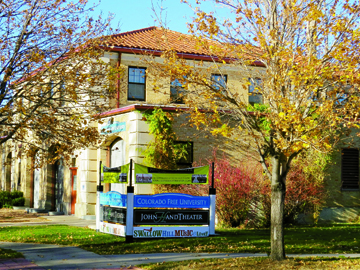 lways, amazed that he could do so much.”
By 2004, light and sound equipment still in a cubbyhole, John was excitedly planning his first big play. The Ride Down Mt. Morgan, an early work by Arthur Miller, concerns a bigamist who must explain his life choices when both wives arrive at his hospital bed.
“In some ways,” Helen muses, “that play was reflective of John’s life. So many balls in the air…”
The balls all came crashing down on March 28, 2004, when a total stranger — a 19-year-old girl with an angel face and demon hallucinations — entered his home and stabbed John Hand to death.
Brother’s Dream Brought To Life
Helen could not accept such a meaning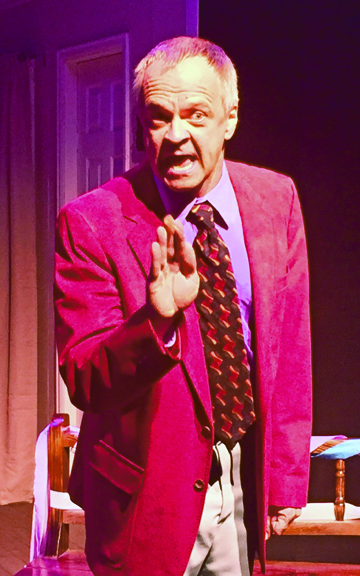 less end to her brother’s life. She wanted to honor him — but how? John had always been the one with ideas. “He was so articulate, so vibrant. I was a little more . . . retiring. I was dazzled by him. But he was a good big brother.” Helen laughs, remembering the time John taught her to fight back against a neighborhood bully. “Once we got outside, I sat on the ground and wouldn’t go any further. I let him down.”
She would not let him down now. Helen went outside her comfort zone to ask for contributions so John’s big play could be produced. “People loved him, they were inspired by him, and so they gave.” Six months after John’s death, Firehouse Theater Company presented The Ride Down Mt. Morgan with professional sound and lighting.
She’d held up her brother’s dream. Now Helen couldn’t bear to see it die. She cut back her private psychology practice to take over the reins of Colorado Free University and the theater as well.
“At first it was spotty,” she recalls. “We would lose people, lose energy. I had to rely on others to mount productions.” But soon, Helen discovered that she liked reading scripts, enjoyed the actors. She began to take a more active role. “I’d entered a field where I had no experience or expertise and I found . . . tremendous satisfaction. And joy.”
Second Theater Company
To keep the theater afloat, Helen rented it out to local groups. In 2007, Spotlight Theater Company came on board as a regular renter. The two groups sparked each other. Since Firehouse was producing only four plays a year, they arrived at the arrangement we see today: Spotlight and Firehouse present alternate productions at the John Hand Theater.
“The way the shows dovetail from company to company is seamless,” says Bernie Cardell, artistic director of Spotlight. “It’s a splendidly diverse program. Spotlight is more comfort food, makes you laugh, goes down easy. Firehouse explores the human heart.”
Pat Salas, a season subscriber to both companies, says, “When I take people to the John Hand, they’re like, ‘Who? Where are we going?’ But then when we see the play, they always want to go back.”
What makes the productions so special? For starters, the theater. At 89 seats, it’s an intimate — and well designed — setting. “It has enough height and depth that you don’t feel crowded as an actor,” says Emma Messenger. “The acoustics are exceptionally good, fantastic for subtle acting. But the best part about the John Hand is the supportive people who work there. You always feel so cared for — and that nurturing feeling translates to better performances.”
“Why is the acting so good?” muses Bernie Cardell. “You just do better work when you’re feeling part of a family, right?”
This family is purposely inclusive. In the casts of both companies’ shows, there’s often a wide range of experience — another of John’s legacies. “My brother wanted to stage good productions, but he also wanted to provide a place for people to develop their skills,” explains Helen. “So we give opportunities.”
Not just beginners, but veterans benefit. Lauded actor Andrew Uhlenhopp recalls his role as King Henry IV in The Lion in Winter as “a challenge, that I faced with Helen’s great support. She involves herself in the theater in such a way that one feels inspired to grow.”
Helen Rocks
Guiding board meetings, raising funds, attending rehearsals — Helen is now the one with lots of balls in the air. “I’ve even seen her up on the roof checking for leaks,” says actor and set-designer Jeff Jesmer. “Helen rocks!”
“In the process of keeping John’s dream alive,” Helen says simply, “I was transformed.”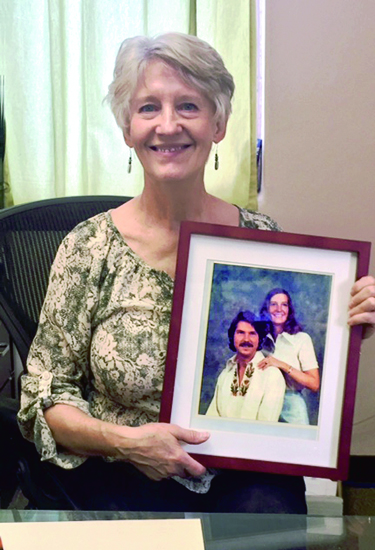
So was this tiny spot in Denver.
John’s murder ripped a hole in Helen’s family. What she ended up doing was creating a new family, whose heart is a powerful combination of John’s inventive boldness and her own loving kindness.
On a recent evening, the house was full, the lights had dimmed, when a young couple entered the theater, obviously on a special date — and dismayed at the lack of two seats together. Immediately, three individuals stood, conferred, rearranged — then pointed the couple to a now empty pair. After a burst of affectionate laughter, everyone settled in to watch the show.
Upcoming Season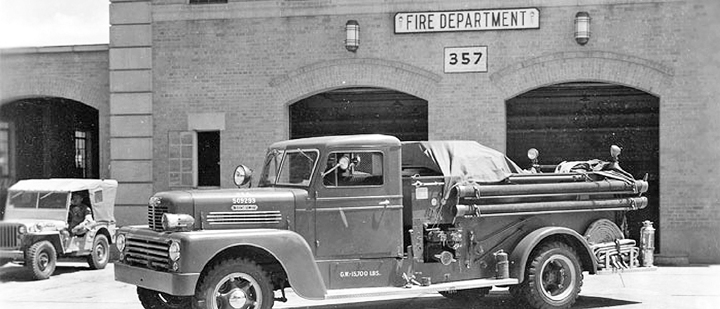
Theatergoers who want to enjoy the intimacy of the John Hand Theater can look forward to a rich menu in 2017. Helen is particularly proud of Firehouse’s January show: Becky’s New Car, by Stephen Dietz. “The playwright is local, the play is sharp, funny, yet touching and thought-provoking . . . exactly the sort of production John loved.”
In the spring, another sharp comedy, Crimes of the Heart will premiere. And in the summer, Helen is pleased to present an original work by Firehouse board member Debbie Montgomery, Rock of Aging, a parody of ’60s and ’70s bands, with familiar songs hilariously rewritten to address the humiliations of old age.
Alternating with the above is Spotlight’s run of funn y, scary and heart warming. In February and March, Sabrina Fair (remember the movie with Audrey Hepburn?); in May, Scotland Yard by Jeffrey Hatcher; and that well-known gem On Golden Pond completes the season.
Looking to future seasons, Bernie Cardell sees Spotlight still offering its comfort fare of classics, mysteries, comedies and farces, but spiced with some more challenging works. Firehouse Theater Company will keep exploring the vagaries of human relationships, leaving audiences thinking and talking as they leave the theater. And they both intend to stay at the John Hand.
Visit www.johnhandtheater.com to find links to both company’s shows.
by Mark Smiley | Oct 21, 2016 | General Featured
Four Area Kids Turn Their Passion For Helping Into A Booming Non-profit Aiding Their Needy Peers
by Glen Richardson
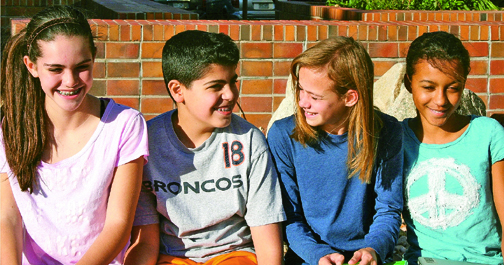
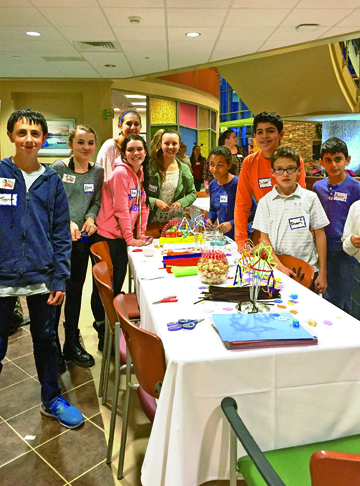 Whiz, bang! Meet the Valley’s secret weapons: Cailey Karshmer, Abby Foster, Chloe Howard, and Lior Yaron. Bursting with energy, these four young people are a pushover when it comes to helping sick, disabled, homeless and underprivileged kids by raising awareness, volunteering and supporting their needs.
This foursome of super-knowledgeable youngsters that possibly live on your block is behind Colorado Kids for Kids, a kid-run not for profit 501 (c)(3) organization. At a time when most kids their age are focused on music, sports or just themselves, these kids are working wonders in neighborhoods across the Valley by giving back to the community and helping kids who are less fortunate.
Encouraging us all to give back to the community, they organize school supply drives, collect clothing (winter coats, boots, gloves, hats), host holiday parties for homeless children and read to kids at under-funded schools. Moreover, they encourage other Valley kids to volunteer. They urge other children to help them collect books and toys to donate and also donate wrapping paper for the organization’s holiday drive. Furthermore they encourage youngsters of all ages to “Volunteer with us or help host or coordinate one of our events.”
Game Changer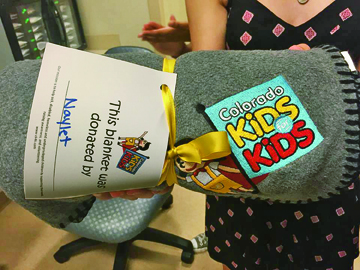
Cailey Karshmer, now a Cherry Creek High student, is the founder of Colorado Kids for Kids or CK4K. At age six she donated her birthday presents to children at a homeless shelter where a friend of her aunt’s worked. “It made a huge impact on me and I decided to donate my presents every year,” she recalls. When she turned 10 she no longer had birthday parties but wanted to continue to donate money instead of gifts from her family on her birthdays. After learning about non-profits she asked her parents if she could set up a non-profit to benefit children in need and CK4K was born.
To get started she needed a board of directors and her best friend Abby Foster, currently a George Washington High School student, volunteered to be the secretary. Chloe Howard, now at Kent Denver, was volunteering at a local soup kitchen and at her church when she came on board as vice president. “I joined Colorado Kids 4 Kids because I love to help people in the community,” she explains. Presently a Cherry Creek High School student, Lior Yaron was 11 when the organization started and he signed on as treasurer. “I was treasurer of my school at the time and I am very proud to be a member of Colorado Kids 4 Kids,” he adds. Speaking for the Board, Abby Foster says, “We want to make a difference in kids’ lives. This organization has encouraged us to give back to the community and as we continue to grow we would like other children to follow in our footsteps.”
The organization began their school supply drive five years ago when Cailey was walking out of school on the last day and saw that many of the kids had thrown away their school supplies, a lot in prime condition. The next year, Cailey and the board decided that they were going to collect gently used school supplies and donate them to an under-funded school. The first year, supplies were donated to DCIS at Fairmont, and the school supplies could be carried in the back of two SUVs. The next year they collected so many supplies that they had to rent a U-Haul to deliver them to Boston K-8.
School Supply Store
This past year, CK4K collected a copious amount of supplies plus receiving a very generous grant to purchase more supplies. Due to the amount of school supplies, and the desire to reach more kids across the metro area, the board decided to open a school supply store where kids who could not afford school supplies could shop for free. “The store’s concept is loosely based on a local food pantry,” explains Abby Foster. Children were able to choose supplies rather than be handed pre-selected materials. In addition, each child received a High Sierra backpack.”
Overall, more than 350 kids and 50 schools w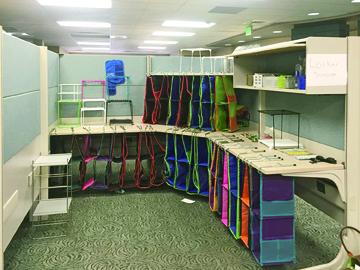 ere impacted by the board’s endeavors. The store — located at 6875 E. Evans Ave. just off Monaco Parkway — was open for three days during August. To keep kids supplied with school needs the store will be open one Sunday a month beginning in February.
The organization is also sponsoring a “Get One, Give One” blanket campaign. They are high-quality fleece blankets embroidered with their CK4K logo. For every blanket sold another blanket is donated to a child in need. In August, they were able to donate over 80 blankets to Rocky Mountain Hospital for Children. Kids and families can participate by purchasing a blanket ($20) or by helping them sell blankets. Groups and organizations can also use them as a fundraiser.
Public, Business Backing
Karshmer also credits the staff and her classmates at Graland — where she graduated with honors — for their encouragement and support when she started CK4K. At Graland she participated in the Gates Invention Program with her friend Lily Fox. Lily’s mom was in a wheelchair and had difficulties navigating cobblestones. The two girls created an all terrain attachment designed to roll over uneven and bumpy terrain without getting stuck. The two won second place in the competition and were given a “patent nod.” They were paired with a lawyer who helped them through the patent process, paid for by the Gates Foundation. Last year, Cailey and Lily received U.S. patent D749018 S1 from the U.S. Patent Office.
Community support for the kids’ non-profit has vastly exceeded all expectations. For example, Arapahoe County Government, Public Works and Development staff recently held a school-supply drive for Colorado Kids for Kids. Businesses are also kicking in their support. Foster, Graham, Milstein & Calisher, LLP, Anabliss, Mile-High Embroidery, Periodontal Associates, Mile High United Way and Rapid Networks have generously donated their services and/or money to support CK4K. “I am shocked by how many neighbors, businesses and friends are contributing,” says board treasurer Yaron.
Cailey Karshmer started Colorado Kids for Kids because she wanted to volunteer in her community but was limited by her age. “Our organization provides kids, no matter what age, with the opportunity to help,” she notes. “Have you ever wanted to volunteer somewhere but you were too young?” she asks other kids. “Well you can come volunteer with Colorado Kids for Kids! We would love to have you come and help us. Help us by planning an event, raising awareness or volunteering,” she urges other youngsters.
“Colorado Kids for Kids wants to make communities in the Valley a better place and we could use your help.” Information: 720-215-3225.
by Mark Smiley | Oct 3, 2016 | General Featured
November 8 Vote Pits The Politically Connected Against Local Property Owners
by Megan Carthel
Five Points has been a neighborhood plagued with improvement promises and nothing to show for them. In 1994, the D Line was built through the middle of Welton Street by RTD, bringing less than satisfactory results.
A cultural center for decades where Jazz and Black culture used to thrive along Welton Street, there now stand empty buildings, ghosts of once was. Now, the city and residents are hoping to revive the once robust area — the question is whether a business improvement district (BID) or the free market should kick-start this inevitable change.
On May 31, 2016, the Denver City Council approved the formation of the Five Points BID, but come November 8, 2016, the commercial property owners will have the final say with a vote.
Currently the Five Points neighborhood has the Five Points Business District (FPBD) that has focused on business development and cultural promotion and preservation. Tracy Winchester, Executive Director of the FPBD, has helped to aid the start of a BID along the Welton Street corridor. The BID will supplement City services like security, maintenance and beautification for the 10 blocks of Welton Street from 20th to 30th streets.
“I think it’s important that we have a business improvement district in the Five Points area along the Welton street corridor, which has always been a historically commercial corridor,” Winchester said. “And I think it’s important that we mobilize ourselves as businesses that do have a vested interest in seeing the survivability of this corridor and not only for the businesses that are here, but also for the residents that are here.”
Myron Melnick, a commercial property owner in the district since 1996, opposes the BID. He even wrote a piece in Brother Jeff, a local media outlet. Days after his piece was published, his building was tagged with spray paint.
“I think these people [who are for the BID] are reacting to what’s best for them,” Melnick said. “I’m neutral as far as that goes. What’s best for the neighborhood is what’s best for me, but I don’t want to see McDonald’s there, I don’t want to see Kentucky Fried Chicken there.”
When asked about the tagging, Councilman Albus Brooks said the following:
“I can’t think of a better way to support this effort,” Brooks said. “There’s no security there today. This allows security to be in place. This allows security to see something going on and securing the area and calling the police. That’s a problem with Welton; there’s just not enough eyes right now in all of these locations.”
The Five Points BID will focus on maintenance, security and beautifying the area.
“We’re pretty much following the path of other neighborhoods, business corridors that want to see improvement in their neighborhood as it relates to the business area,” Winchester said.
“I don’t want to pay more taxes, more property tax,” Melnick said. “What do I need the city or this organization to shovel my walk and pick up litter? I don’t need that.”
The BID has an estimated budget for 2017 of $161,988, with $156,996 coming from a 10 mill levy on commercial property owners. The other $4,992 comes from a Local Maintenance District currently in place that will be removed if the BID is approved. The FPBD will assist with administrative needs for two years and then will no longer be active. The BID board will then have to decide how those administrative needs will be met.
Dr. Renee Cousins King, Paul Books, John Pirkopf, Nathan Beal and Carl Bourgeois were appointed to the BID board. Together, the board makes up over 15 percent of the total acreage and over 16 percent of the total value of the Welton Street BID boundaries. In order for a BID to pass, 50 percent of both the acreage and assessment values must be in favor. In total, the BID received just over 56 percent of the acreage and 62 percent of the assessment value in favor.
Some commercial property owners see a different vision than what they feel the BID board sees. Blair Dunn, commercial property owner on Welton Street, feels with a BID in place, larger commercial chain businesses will come into the area, pushing out the smaller businesses, and with it, the historical cultural importance.
“I think losing that identity would be the worst thing in the world,” Dunn said. “It kind of identifies the area, and what I hear from the BID is zilch as far as keeping that, keeping Black businesses, keeping kitchy stuff. It’s almost like the message is that ship has sailed and we’re going for intense hipster growth.”
Dunn also owns property on Colfax, where there is a BID in place. Before the BID was instated on Colfax, he paid $1,500 in taxes, now he is paying over $4,000. Dunn and Melnick both said they would prefer an organic growth of the Five Points neighborhood. Chuck Sagere, a close by resident who visits the Welton Street corridor often, thinks a BID would help to revitalize the area and is worth the cost.
“I think it’s beneficial. It does need to be revitalized. I particularly would like to see the nostalgia of the era when this place was thriving and keeping things clean and neat only brings it back to life,” Sagere said. “Nostalgia costs. I think it’s a benefit of a hundred times the amount (commercial property owners) pay out.”
“Retail wants to locate in places that are free of crime,” Brooks said. “This BID will hire security; this BID will have clean streets. This BID will bond against itself to do a two-way street. So, it’s about changing the environment and infrastructure, and that’s where retail wants to go.”
There are multiple developments going into the Five Points neighborhood. Star Mesa Properties is currently conducting a $1 million renovation in hopes to house retail, office or restaurant space at 2801 Welton St. Pirkopf and his partner bought 2737 Welton St. where a barber shop and salon once stood. The 109-year-old single-story building will be replaced with a two-story structure.
On November 8, 2016, a TABOR election will be held for commercial property owners, either solidifying or rejecting the BID.
by Mark Smiley | Aug 29, 2016 | General Featured
News That Local Filmmakers Won Distribution Rights
Is Exciting, Particularly For Two Short Films Worldwide
by Glen Richardson
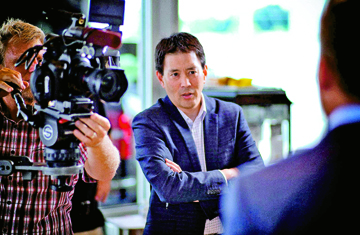
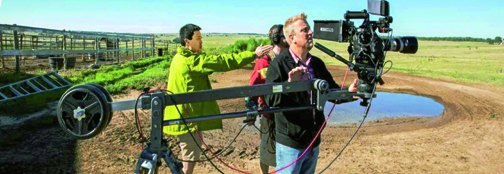 Getting a distribution deal for a film is the aspiration for almost all filmmakers. But it can be tough — thousands of films are produced every year, and very few make it to the next level. It is even harder to get distribution for a short film. So it is a true achievement for Denver’s BS Filmworks to have landed a Shorts.TV distribution deal for not just one, but two of their short films. Furthermore both films were created through the 48 Hour Film Project — a worldwide competition where films are written, shot, and edited in a 48 hour time period.
Filmmakers Brock Sherman (the B in BS Filmworks), Scott Takeda and Lori Kay Allred (Takeda’s wife) of BS Filmworks recently signed an agreement with Shorts.TV to get worldwide television distribution for their short film “If Not Now” — a film about a family dealing with an aging parent and dementia. The film began airing on Shorts.TV this July. Shorts.TV is the global home to the world’s highest quality short films. Headquartered in London with its U.S. office in Los Angeles, Shorts.TV has produced the Oscar Nominated Short Film theatrical release since 2006 and distributes other exceptional short films to 54 countries through various platforms including cable, satellite and iTunes. In Colorado, viewers can see Shorts.TV on DirecTV, AT&T, and CenturyLink.
“We’re obviously ecstatic about this,” admits filmmaker Takeda. “We know it’s rare to get distribution for films, especially short films. And Shorts.TV only accepts the top short films produced worldwide, so we’re honored that they chose us.”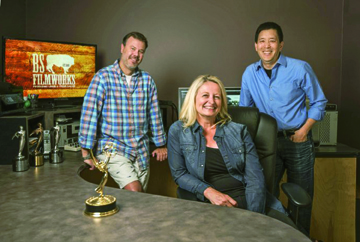
Coming To Colorado
“We really responded to ‘If Not Now,’” adds Efren Rodriguez of Shorts.TV. “It’s a beautiful, character-driven story that is very well done. We’re also excited that the director Lori Kay Allred is female. Hollywood needs diverse voices, and we like that she took a personal story and brought it to life on camera.”
“Our goal is to produce feature films in Colorado and bring TV/Film work back into the state,” says producer Sherman. “This film is a great example of the kind of filmmaking we do because it’s a story that’s personal to us and full of complex characters.”
Shorts.TV has also purchased U.S. and foreign distribution rights to another BS Filmworks short film called “The Decision.” This film was shot last summer in Croatia and is about a young woman choosing between the wishes of her family and her desire to choose her own path. Allred also directed this film.
Decision Coming
“The Decision” was entered into the 2015 local 48 Hour Film Project competition, but has gone through multiple re-shoots. “We wanted to do something different with ‘The Decision,’” explains director Allred. “We shot a version for the competition, and then decided we wanted to tell a longer story with more depth. So we rewrote the script and shot new scenes in both Croatia, and later in Denver.
“The Decision” will appear on Shorts.TV later this year. BS Filmworks is currently working on two features — a story about Colorado’s internment camps and the other is a family drama set during the holidays.
The BS Filmworks trio of Allred, Sherman and Takeda are all Emmy award-winning storytellers. Lori Allred is a national Emmy winning writer for her work on the “Food Network.” Brock Sherman is a multiple regional Emmy winner and has won the national New York Festivals WorldMedal for his graphics animations. And Scott Takeda works both behind and in front of the camera as a director and TV/ Film actor.
Takeda’s Role
The Chronicle first featured Scott Takeda for his acting (March 2013). As an actor, his film roles have included parts in Everything Must Go, Dallas Buyers Club and Gone Girl. He worked as a photojournalist/ producer for the CBS-owned TV station KCNC from 1992 until 1994. From 1995 to 1997, he was a producer and director for the sy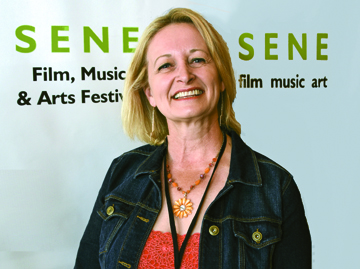 ndicated children’s show News-for-Kids. Takeda’s television acting debut came with a guest star role on Easy Money in 2009. He later played the character of Stella’s father, Mr. Yamada, in the 2011 Disney Channel TV movie Lemonade Mouth. In 2015, he guest starred on the television series American Crime, The Messengers, and Grimm among others.
Takeda’s wife Lori is a producer with High Noon Productions and works on several high-profile HGTV shows, such as Diners, Dives and Drive-ins. The couple has lived in the Cory Merrill neighborhood for more than 23 years.
Takeda also runs Takeda Entertainment, a production company that produces corporate films and documentaries, including the Emmy-nominated 1996 documentary The Holocaust: Colorado Remembers, which he wrote, directed and produced. The fir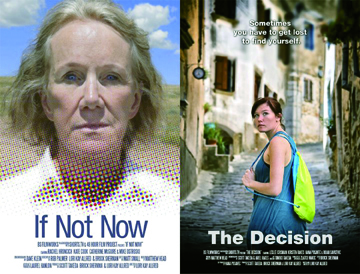 m’s list of corporate clients touches nearly every category of corporate America. There’s telecommunication firms like BellSouth and Echostar and financial giants such as GE Capital and Morgan Stanley on the list. The equally diverse list of local clients includes the Arvada Center, the University of Colorado and Western Dairy Association. Hallmark Entertainment and FOX have been among their programming clients.
Corporate Clients
This August Takeda’s Entertainment crews hit the road for on-location shoots for Sub-Zero/Wolf/Asko — the high-end manufacturers of kitchen appliances. They were filming an installation program and showing how it is a key part of delivering a premium experience for their customers. “Two years ago, we produced a B-to-C film that showcased Sub-Zero’s industry-leading service program,” explains Takeda. “We focused our storytelling efforts around humanizing the service experiences. This time, we were showing how Sub-Zero’s installation program is building on those efforts and creating better customer service.”
The firm’s automotive projects have included work for Buick, Saab and General Motors (Detroit and Mexico). Earlier this year, Takeda’s creative team was busy putting the finishing touches on a corporate documentary film for Cadillac. The goal was to tell a story about a new sales program.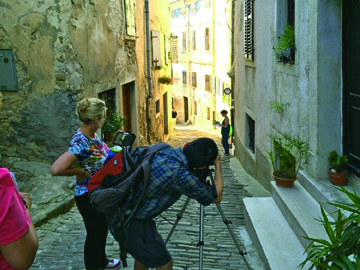
“We’re passionate about telling stories with emotional impact because it’s harder than ever to reach and affect an audience. Genuine people stories cut through the clutter,” he believes. “Whether we’re interpreting creative ideas and pairing them with global brands like Cadillac or directing a film, we know how to reveal powerful, honest moments. Every story. Every time,” Takeda concludes.
by Mark Smiley | Jul 22, 2016 | General Featured
Cirque du Soleil’s New Show Entertained Crowds At The Pepsi Center
by Megan Carthel
From Montreal to America, July 20 marked the one-year anniversary of the new Cirque du Soleil show TORUK — The First Flight, which is based on James Cameron’s 2009 movie Avatar. Avatar grossed $2.7 billion worldwide making it the 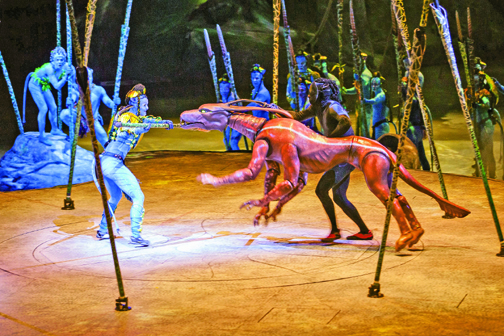 largest grossing movie of all time.
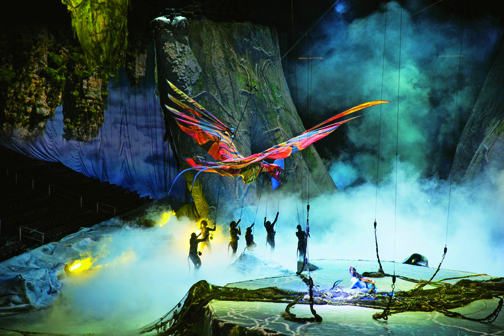
TORUK is a multimedia spectacle that takes place thousands of years before the events of Avatar and before any humans visited Pandora. Led by a storyteller character, the show follows three young adults — Ralu, Entu, and Tsyal — and tells the story of the first flight of the Toruk (the dragons they rode in the movie).
One of the puppeteers who controls Toruk during the show is Nick Barlow, from Australia, who just finished his first year as a Cirque performer.
“It’s very exciting,” Barlow said, “It’s definitely the biggest thing I’ve ever been a part of. It’s so amazing to go out every night with thousands of people there just really excited to see the show.”
While Barlow certainly loves his job and puppeteering, it wasn’t always his intention to become a puppeteer. While in school in Australia, he studied theater and “fell” into puppetry — the rest has been history ever since. Before Cirque, he was a puppeteer on the Australian tour of War Horse and worked as a physical performer with Polyglot Theatre.
“That wasn’t my intention, I just fell into it and found that I loved it. Especially the fact that you can play so many different things as a puppeteer,” Barlow said. “As an actor, you’re often typecast by your look and your age, so as a puppeteer you can play a whole matter of stuff.”

In the show he handles five puppets including the Viperwolves; the Direhorses; his personal favorite, the Ostripeed, a pink bird designed specifically for the show; and the main puppet, Toruk, which takes all six puppeteers to maneuver. The Toruk puppet is the largest on set weighing in at 240 pounds with an aluminum frame and a carbon fiber covering. Luckily for the puppeteers, the movement of the creature is automated, but they bring it to life. While six minds work at once, a puppet becomes an animal on Pandora.
“We all have to kind of think and breathe as one to make that creature come alive,” Barlow said. “By now, we’re just in tune with each other. We can feel when it’s going to go this way or that way or move together at the same time, which kind of creates that idea that it’s one big idea, not just six different thoughts going on.”
The puppeteers also have a crucial part of the show — playing Eywa, the spirit of the Na’vi. Dressed in black their character represents the shadow of the Na’vi clan that brings life to the planet of Pandora — a symbolic metaphor for the job of a puppeteer.
“As that spirit, we also have other jobs in the show of bringing life to other parts of the set,” Barlow said. “Or, being that spirit presence in the space, which is ki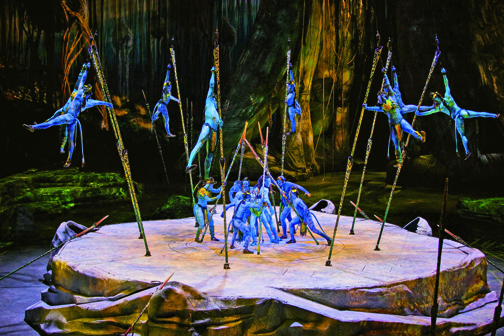 nd of part of the story — this connection to the spirit world of Pandora.”
It takes a lot of time and energy to bring the world of Pandora to life. Each week the cast and crew travel to a new city, setting up the stage on Wednesdays. Shows run until Sunday, with double features on the weekends. Before each show, performers stretch, warm up in their traveling gym, and rehearse different parts and new moves.
“The show isn’t ever completely locked down,” Barlow said. “We’re always trying to make things better and add things here, add things there, and tighten things up.”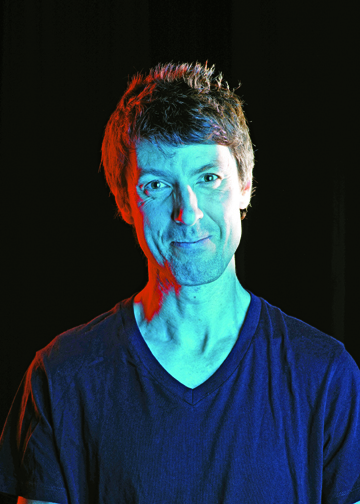
The performers all do their own makeup, which takes about an hour. For puppeteers, sound checks and mics are an additional preparation as they make all of the animal sounds and noises audiences hear. Then after the last show Sunday night, the crews pack up the stage and it’s immediately on the road again with Monday and Tuesday off in a new city.
“It’s hectic, but it’s interesting and you see a lot of America,” Barlow said.
This is Barlow’s second time in the U.S. after touring with another show, and his first time in Denver. During his days off, he was able to get a bike and ride along the Platte River, exploring what he could. The Mile High City’s elevation and thinner air affects the performers running around the stage and some props that have to fly in the air.
The cast and crew travel, work and live together the entire tour, creating a type of family for the performers away from home, but Barlow still misses his own family in Australia.
“It’s a really close-knit group, which makes life on the road a lot easier because it’s hard,” Barlow said. “I’ve got a real family back home in Australia. That’s the hard part of touring is being away from them.”
“The people who work for Cirque du Soleil are in general very like-minded individuals, the cast, crew, staff, everyone,” said Laura Silverman, Publicist, Cirque du Soleil, TORUK — The First Flight. “They obviously have a passion for entertainment, creativity, [and] travel. And this show specifically, everyone on the show, the cast and crew is really extraordinary. Everyone gets along really well and they all have the passion to put on the best show possible.”
To put on a great show, the venue and stage need to meet the needs of the artists. Just as the world of Pandora is large, so is the stage. Toruk — The First Flight stage is the largest ever to be used in a Cirque show. The entire arena is used as the stage, giving all the performers a huge space to work with. In all, Toruk — The First Flight is a unique Cirque show unlike any other, with a larger stage, a narrator and storyline a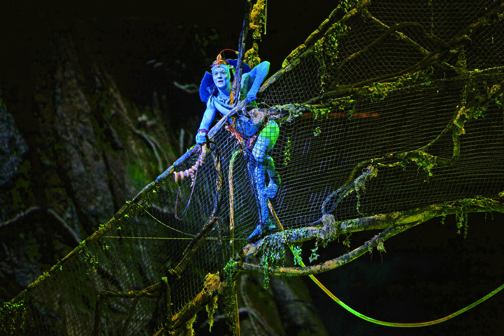 nd more technological displays than acrobatic.
Cirque, which is known for acrobatics, has received mixed reviews from critics in the cities it has performed in since it debuted in December 2015. Recognizing that fans have come to expect acrobatics in cirque shows, there have been changes over the last six months.
“We do the best we can to manage expectations in advance,” said Silverman. “The show has evolved. All cirque shows are constantly evolving because we tour with an artistic director and his job is to make sure that it’s relevant and looks the best and we take what we learn from different audiences. So this show has more acrobatics in it now than it did six months ago.”
“We have 18 shows performing around the world right now,” said Silverman. “[This show] is the biggest departure from what the company was built on. But each show of those 18 is going to stand out from the others.”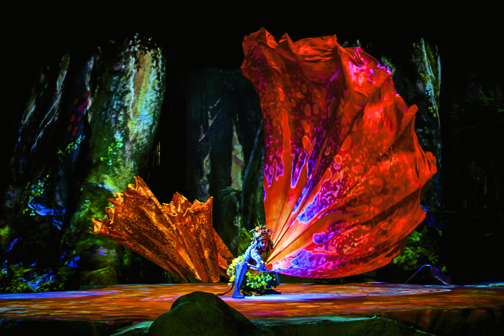
TORUK — The First Flight had a successful run in Denver, adding a matinee performance on Friday, July 22. “Denver has proven to be a really great market for Cirque du Soleil and we will continue to come here,” said Silverman.
The show heads to four different cities in August: Chicago, Indianapolis, Birmingham and Nashville. For a complete listing, visit www.cirquedusoleil.com/toruk /tour-dates.
by Mark Smiley | Jun 24, 2016 | General Featured
Make Your Plans For July 9 Through August 7
by Mark Smiley
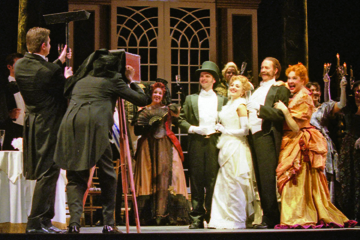
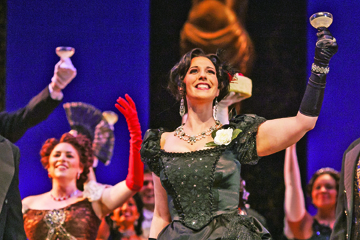
With the triumphant return and 60th anniversary of Central City Opera’s own The Ballad of Baby Doe opera, the 2016 Summer Festival, which runs from July 9 through August 7, offers an extraordinary lineup of performances, events, and activities for opera aficionados, newcomers, and tourists alike.
Central City Opera’s corporate headquarters is located in Glendale at 400 South Colorado Boulevard, and Glendale has adopted it as its very own opera company, in concert with Central City as well as Denver and others. Glendale Mayor Mike Dunafon has stated, “Central City and Glendale are small Colorado towns which both punch way above their weight class. We are thrilled to have one of the oldest opera companies in America headquartered here in Glendale.”
The opera company provides special buses that go directly from Glendale to Central City and back for various major performances.
Douglas Moore’s The Ballad of Baby Doe and P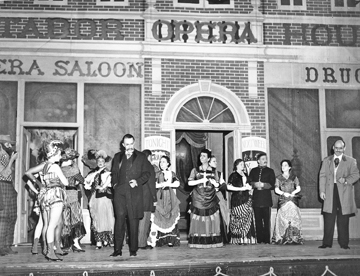 uccini’s Tosca are the company’s two main-stage productions, performed in the historic and intimate Central City Opera House. Celebrating its 84th year, Central City Opera is the second oldest professional opera festival in the country.
Mozart’s The Impresario and John Musto and Mark Campbell’s Later the Same Evening are the featured one-act operas, performed in smaller venues in Central City and creative spaces in Denver, Boulder, and Colorado Springs. These productions are complemented by pre-performance lectures (45 minutes prior to each performance), opera scenes and solo performances, and post-performance socials with the artists.
The air-conditioned Glendale bus to Central City is offered for $20 per person roundtrip or the Boomer Bus is $35 per person and includes additional activities and lunch. The bus is a convenient way to attend the opera without dealing with traffic and parking. The bus leaves at 10 a.m. from the Sports Authority parking lot in Glendale, and between 10:30 and 10:45 a.m. from Simms Steakhouse in Lakewood, on select Wednesday and Sunday matinees. Be sure to check Central City’s website for dates, times and availability of tickets for performances and the Glendale buses.
The Ballad of Baby Doe, 60th Anniversary
The 2016 Festival opens with Douglas Moore’s classic American opera, The Ballad of Baby Doe, which held its world premiere at Central City Opera in 1956. Based on Colorado’s historical figures, Horace Tabor, Elizabeth (Baby Doe) Tabor, and Augusta Tabor, the opera tells the story of love, loss, and loneliness during the mining boo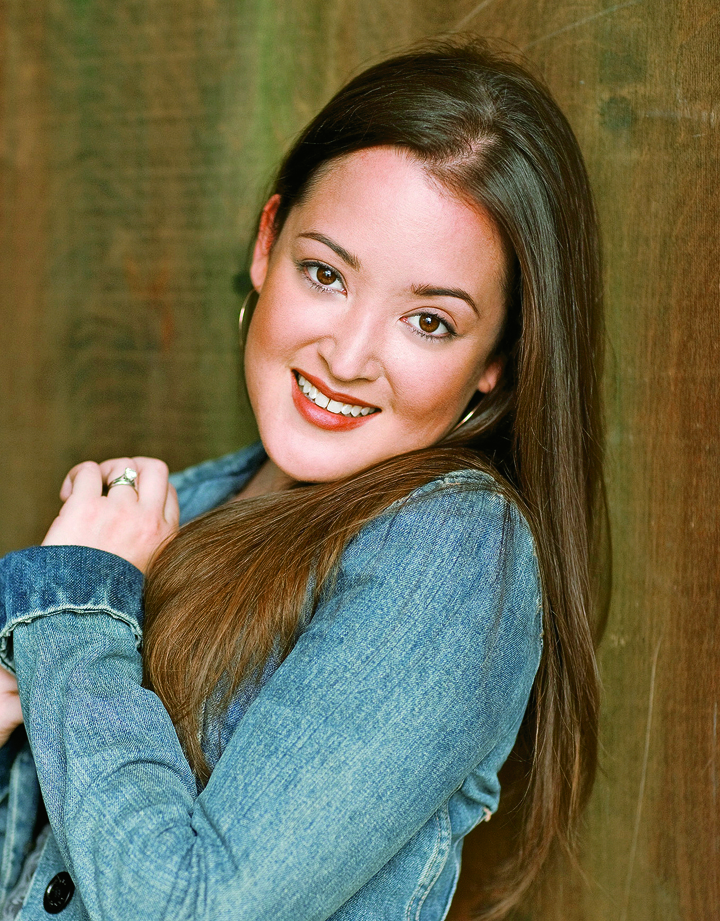 m in Leadville, Colorado, in the late 1800s. Central City Opera’s most recent production of The Ballad of Baby Doe was staged in 2006 to commemorate the opera’s 50th anniversary. This new production, directed by Ken Cazan, features Anna Christy as Mrs. Elizabeth (Baby) Doe, Grant Youngblood as Horace Tabor, Susanne Mentzer as Augusta Tabor, Donald Hartmann as William Jennings Bryan, and Sarah Barber as Mama McCourt. Timothy Myers conducts. The Ballad of Baby Doe, written and sung in English, has performances from July 9 through August 6.
Tosca
The second main-stage production at the Central City Opera House is Puccini’s powerful thriller Tosca, set in 1800 Rome during the Napoleonic Wars. Tosca tells the story of the jealous and conflicted diva, Floria Tosca, who struggles to free her lover, the painter Mario Cavaradossi, from the clutches of the cruel and wicked police chief Baron Scarpia. With some of the most gorgeous and memorable Puccini arias, this new production of Tosca is directed by Joachim Schamberger and features Alexandra Loutsion as Floria Tosca, Jonathan Burton as Mario Cavaradossi, Michael Mayes as Baron Scarpia, and Donald Hartmann as the Sacristan. John Baril, CCO’s music director, conducts. Tosca, last produced by Central City Opera in 1998, is sung in Italian with English supertitles. Evening performances are on July 16 and July 22, at 8 p.m. Matinee performances are on select dates from July 20 through August 7 at 2:30 p.m.
The Impresario (Der Schauspieldirektor, Wolfgang Amadeus Mozart/Gottlieb Stephanie)
Furthering its commitment to present shorter and more accessible operas in venues outside the traditional opera house, Central City Opera presents Mozart’s The Impresario, a whimsical comedy about a general manager of an opera company and two rivaling divas as they scheme and squabble their way to opening night. This one-act opera, written in German and performed in English, is set in 1948 New York City. The opera is directed by Michael Ehrman and features members of the Bonfils-Stanton Artists Training Program. Aaron Breid conducts. The Impresario will be performed in Central City at 12 p.m. on July 27 and August 3 at the Williams Stables Theatre, and in Boulder on July 28, at The Nomad Playhouse, at 6 p.m. and 8 p.m.
Later The Same Evening (John Musto/Mark Campbell)
Later the Same Evening, by contemporary composer John Musto and librettist Mark Campbell, imagines the lives of the figures in five Edward Hopper paintings and connects them as characters — both directly and tangentially — on one evening in New York City in 1932. This one-act opera, written and sung in English, is directed by Michael Ehrman and performed by members of the Bonfils-Stanton Artists Training Program. John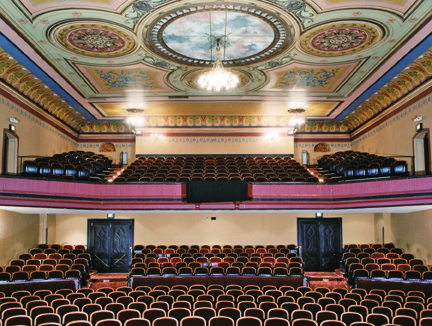 Baril conducts. Later the Same Evening will be performed in Colorado Springs on July 28, at the Pikes Peak Arts Center, Studio Bee, at 7 p.m.; the Denver Art Museum on July 30, at 8 p.m.; and in Central City on August 5, at the Gilman Studio in the Lanny and Sharon Martin Foundry Rehearsal Center, at 7 p.m.
Festival single-show tickets range from $31 to $108, based on availability. Subscribers who purchase both Central City Opera House shows can save up to 25 percent on additional show tickets, along with additional and more exclusive opportunities. One-act opera tickets start at $34 ($31 for subscribers), and group discounts are available for 10 or more people. All prices are subject to change, based on availability. For more information and to purchase tickets, visit www.centralcityopera.org or call the box office, 303-292-6700, between 10 a.m. and 4 p.m., Monday through Friday.