Slight Metro Rent Rate Up-Tick Expected; Denver Ranks 20th Among Nation’s Rental Markets
by Glen Richardson
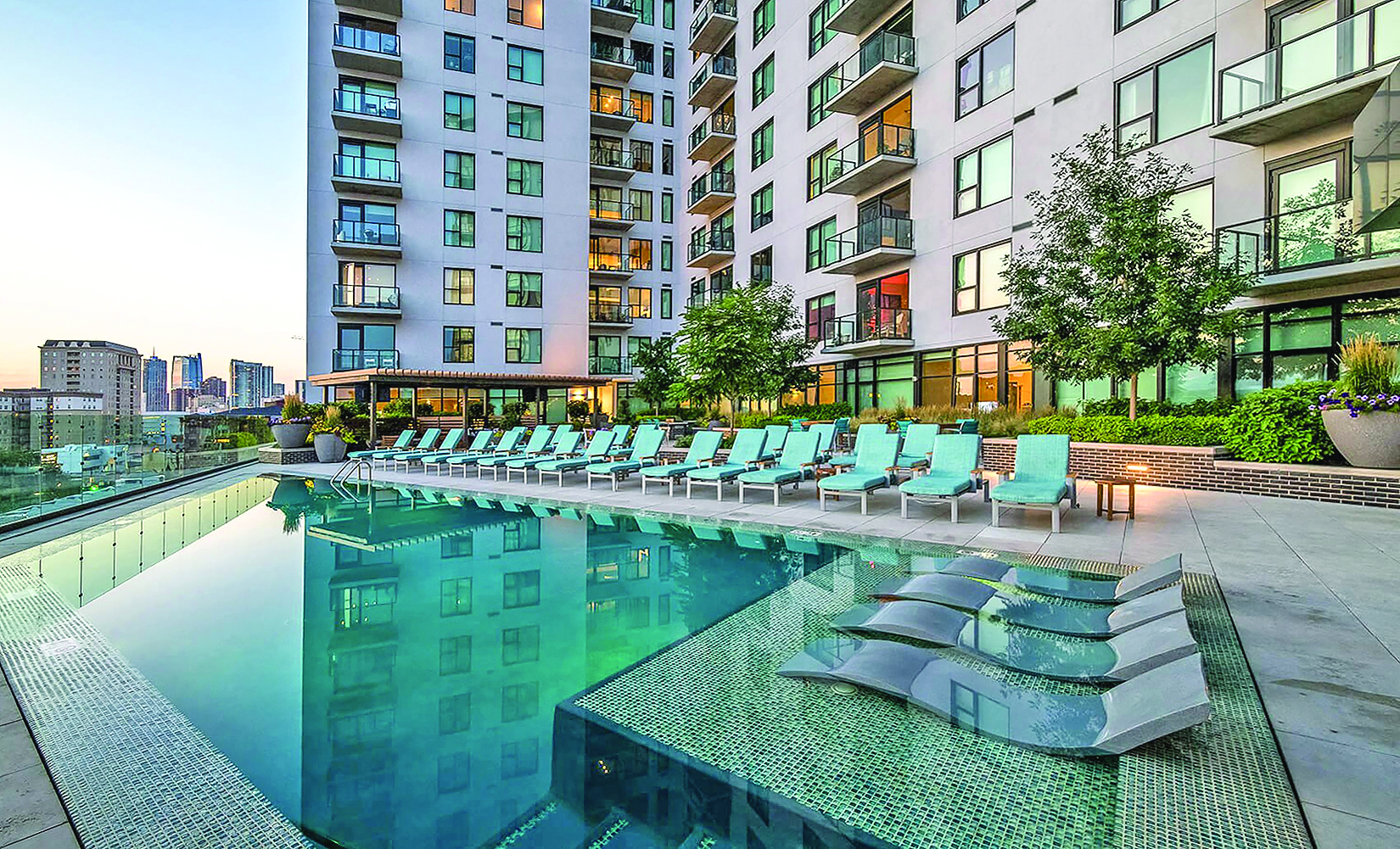
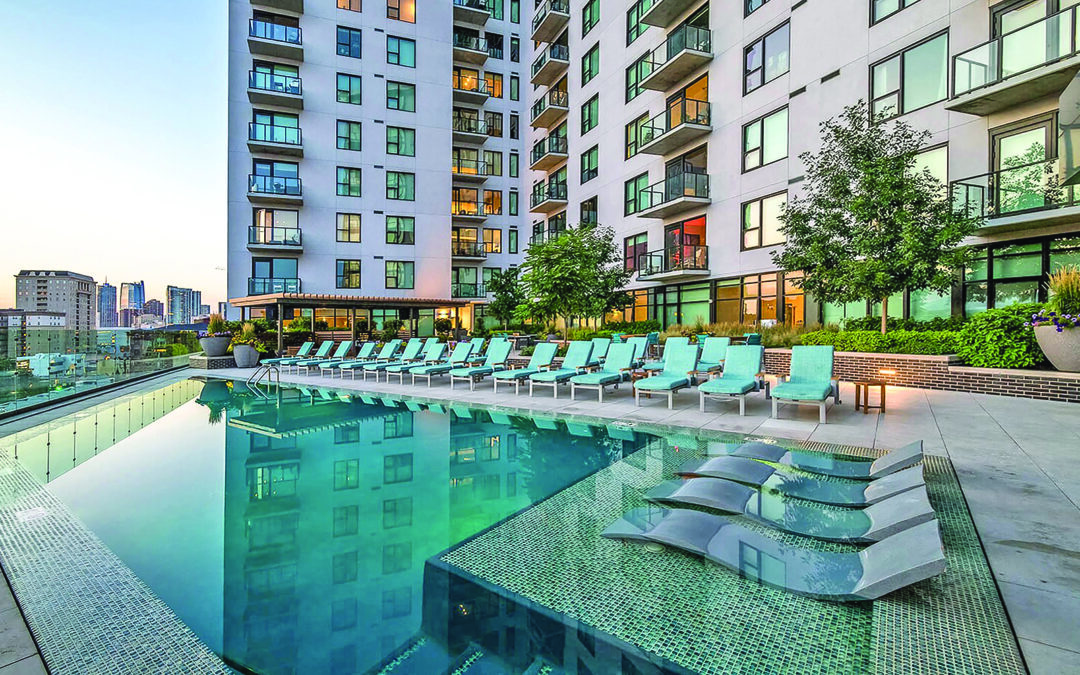
Unclear Market: The Denver rental market is in flux which has rental property owners of all price points concerned.
Denver’s year-end rents will surge slightly — forecasts to be up 0.8% — as 2025 comes to a close. The upbeat is being supported by an improving supply-demand balance.
Metro rental rates, however, are down $71 since the second quarter of 2024, and $46 lower than the same period in 2023. Denver ranks 20th among the nation’s metro rental markets, with median rent for a one-bedroom at $1,760.
Property management company Keyrenter Denver says, “The Mile High’s rental market lately is like trying to hit a moving target. Vacancy numbers, rent trends, and development stats are shifting fast. Many landlords are noticing the ripple effects firsthand with slower lease-ups, more tenant inquiries, and a noticeable change in momentum.”
Upturn In 2026?
Downtown Digs: CoLab Apartments on Osage St. downtown has units for rent ranging from $935 to $2,176.
As of October 2025, the average rent in Denver was $1,627 per month. The national average rent price in the U.S. is currently $1,629 per month, which puts Denver rent prices $2 lower than the national average.
According to MMG Real Estate Advisors, Denver’s rental market is expected to shift from softness in 2025 to a moderate rent recovery by early 2026. They forecast a 2% to 3% annual rent growth.
Mountain region cities have seen a significant drop in rent costs over the last year, with prices in Denver down more than most. According to a report by rental website Zumper, rent prices in the Mile High City have gone down by 7.3% since September 2024.
Supply Surge
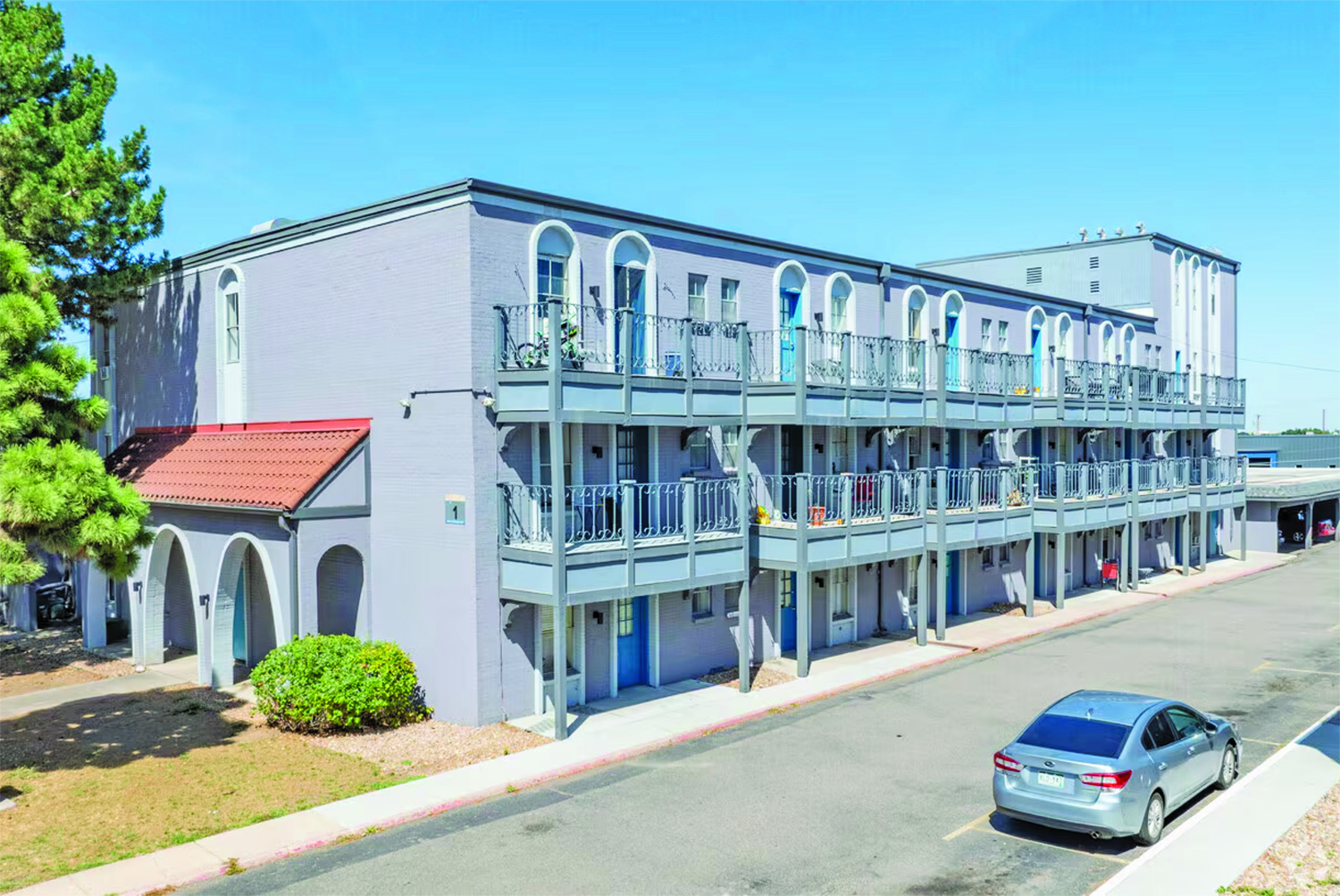
Ventana Venture: The Ventana at Colorado Station has studios to 3-bedrooms with rates at $872 to $2,315 per month.
The first half of 2025 reshaped Denver’s rental landscape. Apartment vacancies climbed to around 7%, marking the highest level since 2010. The spike was driven by an unprecedented flood of inventory — 20,000 new units were delivered in 2024 alone, with another 8,000 hitting the market in early 2025.
As supplies surged, average rents fell by around 3.6% year-over-year, with figures ranging from $1,733 to $1,824, depending on location and unit type.
Cushman & Wakefield even ranked Denver’s second quarter absorption among the top six quarters ever recorded nationally. Denver’s appeal as a relocation destination is holding firm.
Mobile Market
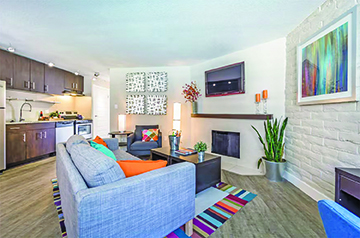
Glendale Glamor: The Phenix at Infinity Park on E. Mississippi Ave. in Glendale has 1 & 2-bedrooms renting from $999 to $1,669 per month.
Renters in Denver aren’t staying put for long. More than half move to a new place in less than two years, making the metro one of the most mobile rental markets in the U.S., according to RentCafe.com.
Denver ranks 5th among the nation’s “move-easy” hotspots. In Denver, 53% of renters move to a different apartment within two years. That’s up 19% in five years, even as the renter population dipped slightly. The local housing supply grew by nearly 10%, giving renters more choices and flexibility.
In Denver, Gen Z renters (78%) move the most, though they’reswitching their homes slightly less often than before. Moreover, Millennials (60%) remain just as mobile as before.
Safety Comes First
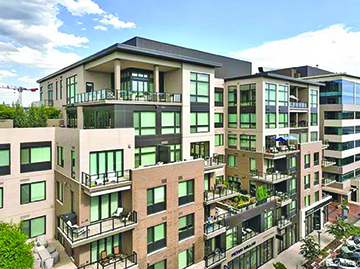
Creek Contrast: Rental options in Cherry Creek North range from Clayton Lane where 2-bedrooms bring $3,800 to 205 Columbine St. where 2-bedrooms are $6,500.
Most renters’ ideal apartment is one that offers style plus suburban comfort (41%). That’s followed by mixed-use convenience (33%), and eco-friendly living (28%).
When choosing neighborhoods, renters say safety comes first at 54%. Walkability and proximity to shopping and public transportation are also high on their list.
Budget-friendly neighborhoods (40%) adds to rentability — whether quiet or lively — where affordability meets comfort.
Stiff Competition
Despite the softening in rent and rising vacancies, leasing activity has remained robust. MMG Real Estate Advisors and CBRE — a real estate service & investment company — reported nearly 6,000 net absorbed units in the first half of the year.
Data from Institutional Property Advisors and MMG shows that older apartment buildings and C-class condos — especially those without amenities or recent updates — are struggling the most.
These units face stiff competition from newer, more incentivized alternatives, and are often where vacancy has climbed the fastest. Rent compression in these segments has been sharper, and in some submarkets, leasing speed has slowed considerably.
Pipeline Shrinks
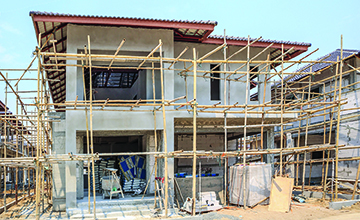
Buildup Boom: More than 8,000 new condo-apartment units hit the Denver market in early 2025, reshaping Denver’s rental landscape.
A key turning point this year is how Denver’s construction pipeline is finally shrinking, albeit from previously record-breaking levels.
Denver-based CoStar Group — a commercial real estate data & analytics company — says that while approximately 19,000 new apartment units were delivered in 2024, the forecast for 2025 was a sharp drop to around 6,600 completions.
Upshot: The oversupply wave is receding, but not overnight. With 2025 completions expected to be nearly two-thirds lower than the previous year, inventory pressure was expected to begin easing by the fourth quarter. That shift — if actual — sets the stage for stabilization and early 2026 rent recovery.
Upgrades Help
For rental property owners, the next six months will be ideal for making smart, cost-effective improvements that boost tenant satisfaction and property performance. Whether it’s replacing aging fixtures, improving curb appeal, or upgrading outdated appliances, small enhancements can set a property apart.
Owners, property professionals suggest, should reach out directly to current tenants and ask if there are any minor upgrades they would like, items such as fresh bathroom flooring or better lighting.
Sometimes, they point out, low-cost improvements are all it takes to encourage a long-term renewal. That they note, can save far more than a full turnover. That’s especially true in today’s competitive environment.
Occupancy Drops
Metro apartment supply jumped 1.67%, more than double the 0.75% increase recorded last year. For renters, that meant more listings to choose from. As a result, 57% of renters renewed their leases, 0.9% fewer than last year.
The added supply was enough to pull occupancy down to 91.8%, compared to 94.3% a year ago. This season, seven renters competed for each available apartment, down from 10 last year. Apartments leased in 41 days on average, compared to just 35 a year ago.
Denver’s Rental Competitiveness Index (RCI) dropped to 67.9, down from 78, showing that the market is still competitive but significantly less intense than a year ago.
Rental Rates
The vacancy rate in Denver is the highest in the metro at 7.7%. The metro vacancy rate — the percentage of empty apartments on the market — is higher than at any time in the past 15 years.
Near the end of 2025 there were a total of 440,521 rentable units on the market. Nearly 31,000 apartments were unoccupied on any given day. Most often, vacant units are ready and waiting for their next tenant. The higher the vacancy rate, the better the deal for renters.
Median rent in the city of Denver for a two-bedroom apartment is $1,653. Apartments built before the 1970s are averaging $1,586, while newer units with more amenities are averaging as much as $2,340 a month.