City Hall Pushes Sweeping Zoning Changes Despite Growing Opposition
by Mark Smiley

Once defined by tree-lined streets and neighborhood character, many Denver communities are now facing waves of dense apartment development. Critics call it overdevelopment that ignores residents’ concerns and forever changes the neighborhoods they chose to call home all in the name of “affordability.”
Denver’s next major political battle will not be over homelessness, crime, or downtown redevelopment. Instead, it will be fought block by block in neighborhoods where homeowners believe City Hall is preparing to rewrite decades of zoning policy with little assurance that the changes will actually make housing more affordable.
Mayor Mike Johnston’s administration continues to move forward with its Unlocking Housing Choices initiative, one of the most significant proposed overhauls of Denver’s residential zoning code in decades. The proposal would allow more duplexes, triplexes, fourplexes, and other forms of “middle housing” in neighborhoods that have traditionally been reserved for single family homes. City planners argue the changes are necessary to increase housing supply, improve affordability, and provide more housing options as Denver continues to grow.
Throughout 2026, the city has hosted public meetings, conducted financial studies, and worked with a 26-member advisory committee to refine the proposal before it reaches the Denver City Council. Officials describe the process as transparent and collaborative, saying community feedback is helping shape the final recommendations.
Many residents, however, remain skeptical.
An effort by the City of Lakewood to drastically alter single family zoning in the name of “affordability.” Lakewood went through a many month investigation to support its rezoning of the city to allow for more duplexes, triplexes, fourplexes and other multi-family structures. It caused an uproar in the Lakewood and after months of litigation citizens rejected the rezoning in a city wide election by a wide margin earlier this year.
Homeowners across Denver argue that City Hall is using the housing crisis as justification to dramatically increase density in established neighborhoods without proving the changes will actually lower housing costs. Instead, they fear increased traffic, crowded street parking, additional pressure on aging infrastructure, and the gradual loss of neighborhood character that attracted families to these communities in the first place.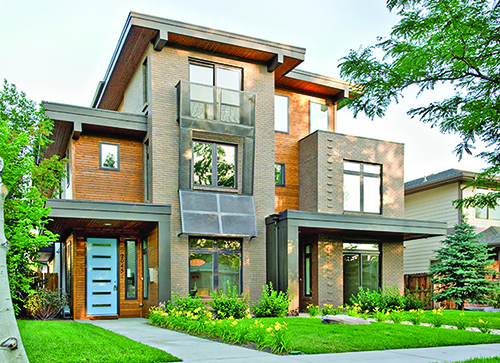
The skepticism is fueled by Denver’s recent track record. Over the past several
years, the city has expanded affordable housing programs, encouraged higher density development, and adopted new incentives intended to increase housing production. Yet home prices remain out of reach for many middle income families, while rents continue to strain household budgets.
That has led many residents to ask a simple question. If previous housing initiatives have not made Denver significantly more
affordable, why should homeowners believe another sweeping zoning overhaul will accomplish what earlier policies could not?
City officials respond that Denver simply has not built enough housing to meet demand. They also point to recent state housing legislation that encourages municipalities to expand housing opportunities and remove barriers to development. From the city’s perspective, increasing supply remains the best long term solution to improving affordability.
Critics argue the issue is not that simple.
Increasing density does not automatically create affordable housing. Developers build projects that make economic sense, and in many of Denver’s most desirable neighborhoods, newly constructed duplexes and townhomes often sell for prices approaching or exceeding $1 million. Replacing one expensive home with several expensive homes may increase inventory, but it does little to help teachers, police officers, firefighters, or young families purchase their first home.
Many neighborhood organizations also question whether public input is truly influencing the outcome. While City Hall continues to hold meetings and solicit feedback, some residents believe the administration has already decided to pursue higher density and is now focused primarily on determining how to implement the changes rather than whether they should occur at all.
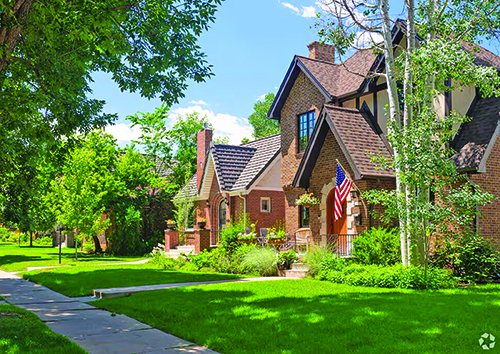
Many Denver homeowners fear proposed zoning changes could permanently alter established neighborhoods such as Washington Park, Belcaro, and Hilltop by allowing higher density housing on lots currently occupied by single family homes.
The debate reflects a broader frustration with City Hall. Denver’s housing shortage developed over decades as population growth, rising construction costs, restrictive zoning, and policy decisions combined to reduce affordability. Now, many homeowners feel they are being asked to bear the burden of correcting those mistakes while receiving few assurances that the proposed changes will actually solve the problem.
There is little disagreement that Denver needs more housing. The real question is whether the city’s approach will deliver the affordability residents have repeatedly been promised.
Changing zoning regulations is relatively easy. Creating housing that working families can actually afford is far more difficult.
As Denver moves closer to adopting its recommendations, City Hall should recognize that homeowners are not simply resisting change. They are asking elected officials to demonstrate, with evidence rather than projections, that permanently changing established neighborhoods will produce measurable improvements in affordability.
Until that case is made, opposition to Denver’s zoning overhaul is unlikely to fade. For many residents, the debate is no longer about housing. It is about whether City Hall is asking neighborhoods to sacrifice their character without proving the promised benefits will ever materialize.