City Council Updates Denver’s Derelict Property Laws; Non-Compliance Under Update Can Reach $5,000 Per Day
by Glen Richardson
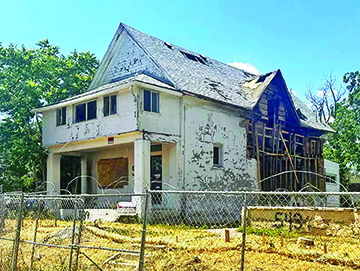
Neighborhood Nightmare: Abandoned properties span the entire city. Denver is currently tracking more than 100 neglected-derelict buildings. Photo: Matt Geiger
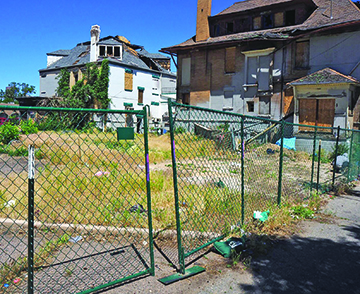
Potential Possible: Unappealing properties in Denver offer tremendous potential for redevelopment or renovation.
Denver is a city of contrasts. It’s known as an outdoor city with vibrant neighborhoods, and a rich cultural history. Yet, there’s another side to the town. The Mile High City is grappling with a growing number of vacant, abandoned homes and buildings. These abandoned properties are more than just neighborhood eyesores, they’re symbols of lost opportunities, economic struggles, and community challenges. It’s a problem that spans the entire city. Denver is currently tracking more than 100 neglected-derelict buildings.
Councilmembers Paul Kashmann, Amanda Sawyer, and Jamie Torres sponsored new rules. “This updated ordinance streamlines enforcement, enhances public safety, and is a good governance measure. We could not be prouder of the collaboration and work done by everyone on this bill,” the councilmembers declared.
In 2024 alone, Denver added 160 buildings to the city’s “Neglected & Derelict” building list. It’s a catalog of properties that sit vacant and cause problems for neighbors. Fires, squatters, and debris are among the dangers abandoned properties can trigger. City officials say there are currently 127 neglected-derelict structures across the city. Moreover, 15 buildings have been on the list for more than seven years. Community Planning & Development suggests that initiating the new rules will require two new full-time employees. That, however, will be difficult for a department facing layoffs as Denver tries to fill a $250 million budget gap.
Fines Surge
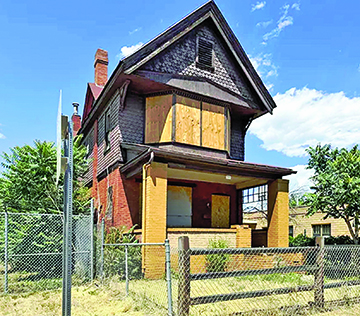
Shrunken Street Appeal: Vacant and boarded-up homes on a street can threaten property values in the neighborhood.
The new rules change how Denver will deal with abandoned homes and buildings. Previously, there was a required “show-cause hearing,” which often took months. That changes to a “remedial plan assessment” meeting. If a property owner does not meet with the city within 60 days, that property can be issued citations.
Additionally, fines surge from $999 per day to $5,000 per day for violations. Offenders are those that violate the terms of remedial plans or ignore meeting requests from the city.
The change requires an annual report to city council from the Denver Department of Community Planning & Development. It also establishes a fee of $5,000 per response from fire, police, or emergency services when three or more calls for service occur within a six-month period.
City Wide Issue
As of this April (2025), there were 285 neglected and derelict structures within Denver. That list involves properties from every city council district. Most are single family
homes, but the list also comprises commercial properties, plus 40 historic sites. Denver has seen an increase in neglected-derelict properties since the pandemic. Prior to that, interest rates were more favorable and m
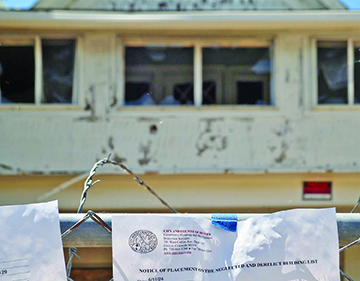
Flagged By City: Denver documents that a home or building has been added to city’s neglected and derelict properties list.
any property owners were redeveloping homes-buildings and improving neighborhoods. But derelict properties are more often associated with streets rather than neighborhoods. Over a dozen properties that have been flagged sit along Colfax. Speer has eight, most of which are bunched up near 3rd Avenue.
Owning a property is often an individual’s greatest investment and financial asset. Research has consistently shown that vacant, abandoned, and deteriorating properties reduce the value of surrounding properties, decreasing the owners’ equity and personal wealth.
Even Denver’s upscale neighborhoods have appeared on the list. In Cherry Creek, three adjacent properties clustered on Jackson Street qualified. Neighboring Hilltop has had two on the list. Belcaro had a single-family home on S. University Blvd. meeting the mark. LoHi has had as many as three on the list.
Report Problems
If a city inspector judges a property to be in violation, the owner is required to submit and implement a remediation plan to address the issues. For example, locks, fences, clean-ups, or other physical security could be ordered. The significant change to the ordinance is the size of the fine if the owner does not correct the problem.
In hazardous cases, emergency abatement measures can be initiated by the city. Reimbursement to the city, however, is required from the owners.
Residents can report a suspected derelict home or building through Denver’s 311 system. Or they can contact the Community Planning & Development Department’s online portal. Photos and the addresses can also be sent to gilvon2001@gmail.com.
Remedial Plan
If you own a property listed by the city as neglected and derelict, you’re required to complete a “remedial plan form” telling the city when and what you will do to correct the problem.
Owners of properties on the list may be fined $1,000 annually if no remedial plan is submitted. The fine is not assessed as long as the owner completes the remedial plan, stays code-compliant, and has paid any outstanding fees and fines.
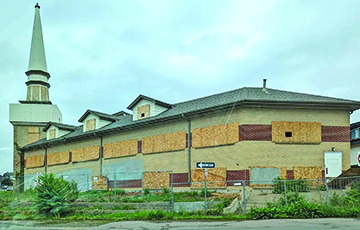
Throughfare Eyesore: This boarded-up old church was a long-time eyesore along Colorado Boulevard before it was finally demolished.
Property owners with questions about a home or building they own can contact Neighborhood Inspections. The phone number is 720-865-2505.
Creating Equity
In addition to faster remedial plans, the ordinance’s supporters believe the new law should allow for more equity. They point out that “some properties are owned by bad actors that took advantage of Denver’s lack of enforcement tools.” Of course, often properties are owned by people struggling to afford upkeep. Circumstances such as disabilities can make home upkeep difficult.
City leaders say the tougher stance responds to neighborhood frustrations over safety hazards and declining property values caused by vacant eyesores. While most of the targeted properties are single-family homes, the list also includes commercial and historic buildings. Officials estimate the changes could generate a 30% increase in administrative citations, adding revenue to Denver’s strained general fund. However, enforcing the ordinance will require extra staffing, a tough challenge as Denver has a $250 million budget deficit.
“Stronger enforcement tools for Community Planning & Development, earlier collaboration with property owners, and additional requirements for city agency cooperation will dramatically increase Denver’s ability to address the public health and safety concerns these buildings pose to our city,” Councilman Kashmann concludes.