
Mad Peaches

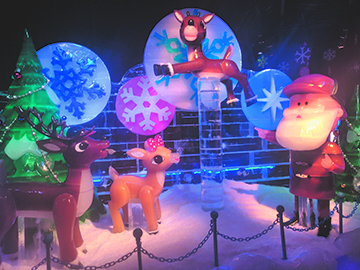
Three Million Christmas Lights Decorate The Resort With Activities For The Entire Family
by Mark Smiley
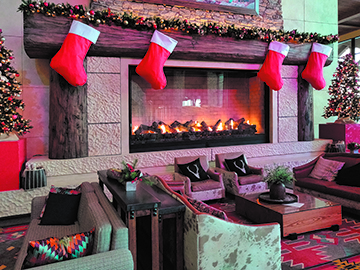
Many families travel during the holiday season but holiday break is longer than most travel plans allow. If you are looking for something to do with the kids that is close to home, consider Gaylord Rockies Resort and Convention Center near Denver International Airport.
Gaylord Rockies launched its first Gaylord Christmas in November and the festivities run until January 5, 2020. The resort and convention center is complete with a Mistletoe Village that includes Santa Claus, storytime and cookies with Mrs. Claus, gingerbread decorating, Build a Bear Workshop, and ICE! featuring Rudolph the Red-Nosed Reindeer. Walk through a winter wonderland carved from more than two million pounds of colorful ice.

The decorations throughout the resort make for a festive atmosphere and in addition to the Mistletoe Village, there is plenty to do outdoors as well. Weather permitting, the lazy river and hot tub are open but as always, the indoor pool and water slides are operational.
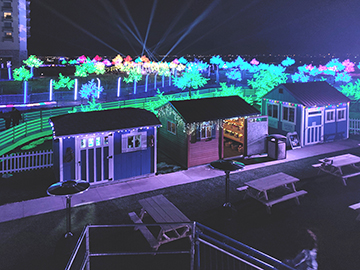
And, more than three million Christmas lights surround every bend of the resort. Guests can ice tube, ice skate, and slide around in the bumper boats on ice. And, the resort offers free s’mores to roast on the outdoor patio.
Guests can also book reservations for Rudolph’s Holly Jolly Breakfast complete with character visits and photo opportunities, a Naughty or Nice escape room, and a scavenger hunt. And the usual hotel amenities are available year-round including the spa, restaurants, and a full-service concierge.

Tickets are also available for Cirque Dreams Holidaze which is an in-the-round theatrical experience including the world’s best acts and dazzling costumes featuring aerialists along with singers and dancers. This 75-minute Broadway musical and new cirque adventure is performed on stage and in the air by toy soldiers, snowmen, penguins, reindeer, gingerbread men, Santa and holiday characters imagined by Broadway director and Cirque Dreams founder, Neil Goldberg.
The Rudolph the Red-Nosed Reindeer theme of 2019-2020 will rotate to one of the other four Gaylord properties next year so look for a new theme at Gaylord Rockies next season.
The Gaylord Rockies Resort & Convention Center is located at 6700 North Gaylord Rockies Boulevard. For more information about the resort or to make a reservation, visit www.gaylordrockies.com.
“Every now and then a man’s mind is stretched by a new idea or sensation, and never shrinks back to its former dimensions.”
by Luke Schmaltz
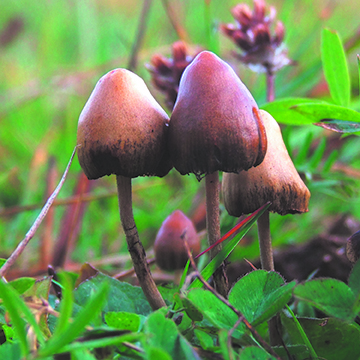
On May 14, 2019 Denver’s profile as a one-of-a-kind American city expanded in dimension. Initiative 301 passed by the slimmest of margins (50.6% to 49.4%) which enacted the decriminalization of psilocybin — the active substance in psychedelic mushrooms.
Those who are curious as to what may happen next can refer to the cannabis legalization history book and take note of a few crucial milestones. Firstly, psilocybin is not yet legal, it has simply been demoted to “the lowest legal priority” according to Decriminalize Denver, the grassroots political action group that introduced the measure. This important step toward legalization means that, at some point in the future, anyone over 21 will be able to legally purchase psilocybin mushroom products and services in a retail or clinical setting. Currently the City of Denver’s policy is to devote zero resources to the prosecution of psilocybin with a review panel in place which will intermittently assess public and fiscal impacts of the measure.
Just as the monetization of marijuana continues to prove, when a controlled substance with numerous benefits becomes legal, innovation and entrepreneurship flourish. In the case of psilocybin, however, consumption on a massive scale as in the cannabis industry is tentative, due to the distinct differences between the psilocybin and THC. The greatest of these being that magic mushrooms do not have the same widespread appeal as marijuana. Regardless, impending legalization harkens the creation of a new segment of commerce that will, for a while at least, be unique to the Mile High City.
An Element Of Familiarity
Like the marijuana flower, “magic” mushrooms occur naturally across the world in dozens of strains with varying potencies. Once mature, the dried caps and stems can be consumed raw or added to food and beverages for greater palatability. Also, psilocybin holds great allure for recreational substance users while presenting untold value for the medical and wellness fields.
A New Retail Market
Palatability has long been an issue with psychedelic mushrooms, as most who have partaken attest that chewing the dried fungi is less than pleasant. So, it stands to reason that the first retail products will address this objection — most likely with the same creative gusto seen in the cannabis industry. One can expect chocolate bars infused with “shake” — a term for ground-up mushroom caps and stems. Other anticipations could also include gelatin capsules, peanut butter (creamy or crunchy), green tea bags, jars of honey, pasta sauces, and smoothie-ready fruit medleys — all infused with specific doses per serving of psilocybin. Although tax revenue on these gross sales may pale in comparison to the cannabis numbers, there’s no doubt that this new market will produce jobs and stimulate commerce.
Guided “Trip” Tourism
Once psilocybin can be legally sold and openly consumed, all-inclusive magic mushroom experiences may further expand Colorado’s tourism appeal. These “trip” packages would most likely include measured doses in the preferred method of ingestion, a controlled environment based on the clients’ personal tastes and a shaman-type guide to administer the proper amounts and lead the weekend adventurers through each phase of their journey. These psychedelic retreats could be marketed as self-care vacations and consciousness-expanding getaways.
Alternative Treatment Clinics
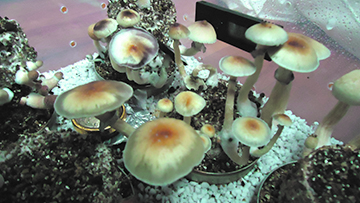
The prescription opioid crisis has proven that assigning a pill to every affliction may not be the best long-term strategy. In a search for non-addictive compounds for treating difficult maladies, science and medicine have discovered some compelling therapeutic aspects of psilocybin. Studies by the Heffter Research Institute, Multidisciplinary Association for Psychedelic Studies (MAPS) and the Beckley Foundation have proven the efficacy of psilocybin in treating depression, addiction, obsessive-compulsive disorder, cluster headaches, anxiety and PTSD among other conditions. Upon legalization, health and wellness professionals may be setting up psilocybin therapy practices that treat the root of health problems instead of masking the symptoms.
Peace Of Mind Services
Aside from recreational allure and therapeutic potency, perhaps the greatest benefit magic mushrooms have to offer is inner peace. A 2016 FDA-approved clinical trial called the NYU Psilocybin Cancer Anxiety Project revealed that psilocybin had a profoundly positive effect on those struggling with end-of-life issues. Specifically, through measured, guided doses, cancer patients experiencing depression and anxiety in the face of impending death were able to confront their fears and find peace of mind. This profoundly valuable service will no doubt find a robust clientele when psilocybin becomes legal. Palliative care clinics designed to help patients enjoy their final days with clarity and mental tranquility may carve out a significant market share. Rather than being a sad and somber last chapter of life, hospice may present a final opportunity for the dying to celebrate the beauty of life.
Psilocybin has not been decriminalized in America since the 1970s, which puts Denver at the forefront of territory that has been unexplored for the last 50 years or so. With legalization a distinct possibility, so too are the possibilities for new segments of commerce forged by highly valued products and services.
by Jessica Hughes
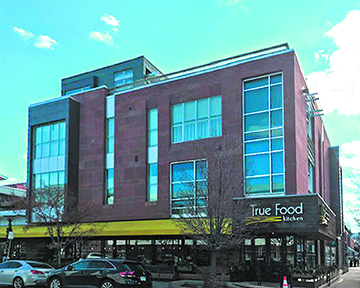
True Food Kitchen — Location: 2800 E 2nd Ave.
A national chain that has found a home in Denver’s Cherry Creek shopping district, True Food Kitchen is a casual, yet chic, healthy dining option. With earth-like elements including green chairs, a butcher block bar, and speckles of greenery at each table, you can’t help but feel good about eating here. Offering both seasonal dishes and staple items, patrons will enjoy a full menu of soups, salads, pizza, bowls, burgers and sandwiches, and an assorted mix of healthy entrees. Even their cocktail menu leaves little guilt on the table with their Beets by Jon (organic vodka, red beet, lemon, and pineapple) and their Juniper Rose (rose-in-fused gin, lime, grapefruit, thyme). Vegan, vegetarian, and gluten-free options available.
Try: Spicy Panang Curry ($14)
Vital Root — Location: 3915 Tennyson St.
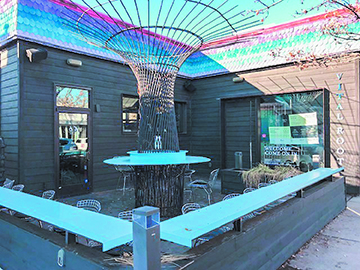
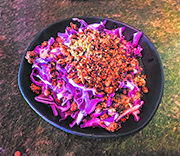
Found in the hip and trendy neighborhood of Berkeley, Vital Root is a local food company committed to providing nutritious and delicious food. The multi-level modern space, filled with botanical art and good, clean food, offers both weekend brunch and an everyday menu, plus grab-and-go food options and a happy hour you can feel good about with their $4 juice of the day. Using ingredients such as coconut, dates, sunflower and avocado oil, and ancient grains, their food is designed with the healthiest ingredients as possible. Dedicated to those with food allergies and dietary restrictions, an outdoor sign asks that no outside food or drink be brought indoors as they operate a gluten-free kitchen.
Try: Sunflower Risotto ($13)
Vert Kitchen
Location: 704 South Pearl St.
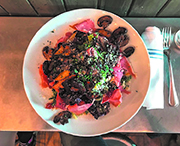
Nestled between the homes of North Washington Park, Vert Kitchen offers a small café space with big flavor. Serving up lunch and brunch options made with organic and locally sourced ingredients, you will no doubt feel good about what you are eating. Everything is made in-house using French cuisine techniques, 100% organic produce, plus all-natural and sustainable meats and dairy. Take a sip at the café and bar for freshly brewed coffee, natural wines, and premium beers. Enjoy your meal indoors in their cozy café atmosphere or take yours outside to their backyard patio-filled, with green and garden elements.
Try: Salad du Marche ($16)
Green Seed Market
Location: 2669 Larimer St.
Located inside the Denver Central Market, Green Seed Market is a neighborhood market with a twist. Pick your poison of fresh vegetables and fruits for purchase or order a custom soup, salad, veggie bowl, acai bowl, smoothie, or fresh juice to take home with you. With a focus on offering the produce of the season, Green Seed Market is dedicated to bringing foods to the neighborhood most would not find at their local grocery stores.
Try: Gangsta’s Paradise ($9.50)
Whole Sol Blend Bar
Location: 1735 Chestnut Pl.
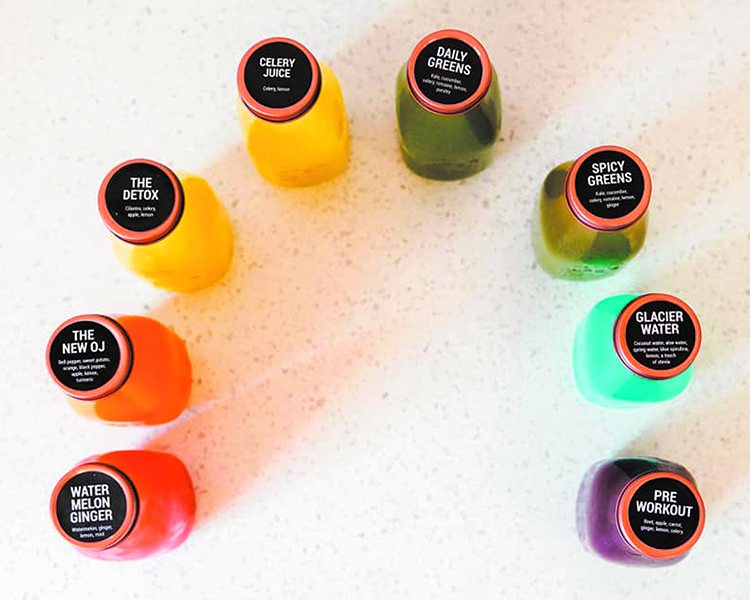
Home to Denver and Boulder’s only USDA certified organic juice bar, Whole Sol offers a fresh twist on healthy foods. 100 percent dairy free, gluten-free, and organic, you can feel confident what you order is good for your soul. Known for their smoothie bowls and cold-pressed juices, you can’t go wrong with either. Don’t want to eat it as a bowl? Just ask and they will turn your bowl into a smoothie. Take your bowl to the next level with additional add-ons including their own Newtella, greens, granola, and plant protein.
Try: I Like You Matcha ($10)
Just Be Kitchen
Location: 2364 15th St.
A haven for the food conscious, Just Be Kitchen serves up 100 percent gluten-free, soy-free, and grain-free food options that cater to Paleo, Whole30, Keto, and AIP friendly diets. A seasonal menu offers breakfast, brunch, and dinner options. Plus, an entire menu dedicated to the Whole30 diet, including its very own bone broth bar. For sipping, try a gluten-free beer or a crafty cocktail using reduced grain-free spirits.
Try: Radiant, sweet potato gnocchi ($12.50)
Mercury Café
Location: 2199 California St.
Get a mix of it all at the Mercury Café. Known for its dance lessons and live music, the restaurant has also made a name for itself for its fresh organic dishes. Everything on the menu is gluten-free, except the bread. Get down this year with organic foods and a dance lesson or two.
Try: Pagan Vegan Plate ($10)
Superfruit Republic
Locations: 7483 E. 29th Pl. &
1776 Broadway, Suite 115
A fast-casual café, Superfruit Republic serves up tasty acai bowls packed with the nutrients a healthy body craves. With two locations now in Denver, visitors can choose from organic acai bowls, fruit smoothies, and fresh juices. Add a boost to your bowl or smoothie with coconut flakes, goji berries, or any fruit/nut blend.
Try: The Blueberry Pumpkin (large bowl $9.50)
Watercourse Foods
Location: 837 E. 17th Ave.
Catering to vegans everywhere, Watercourse Foods serves up what they call “vegan comfort food.” With their fresh ingredients prepared daily and friendly atmosphere, they make eating healthy easy to do. With an extensive breakfast and brunch menu, plus salads and sandwiches and dinner entrees, visitors can eat healthy all day long. Don’t forget to wash your food down with locally brewed kombucha on tap!
Try: Za’atar Eggplant ($16)
Vitality Bowls
Location: 2702 E. 3rd Ave., Denver, CO 80206
A national chain restaurant, Vitality Bowls, offers a location in Denver’s Cherry Creek shopping district. With smoothies, bowls, salads, paninis, soups, and juices, there are options for any meal of the day. Their signature bowls and smoothies are made with the best ingredients available and do not include fillers like artificial preservatives. Gluten-free options are available.
Try: for energy try the Vitality Bowl ($10.49)