by Mark Smiley | Jul 24, 2017 | Main Articles
by Mark Smiley
Chuck Bonniwell, the Publisher of the Glendale Cherry Creek Chronicle, and his wife Julie Hayden, an Emmy award-winning investigative reporter formerly with Channel 7 and Fox 31 News, have taken over the critical afternoon drive time slot (4 p.m. to 7 p.m.) for 710 KNUS radio. They have replaced longtime radio icon Steve Kelly and Krista Kafer, a semi-regular columnist for The Denver Post.
Kelly is retiring from radio work and reportedly has acquired a home in Florida. Kafer has indicated that she is looking into other openings both in and outside of radio.
Bonniwell and Hayden already do a top-rated Saturday morning show for KNUS, Weekend Wake Up with Chuck and Julie, which will continue. Thus Bonniwell and Hayden will be doing three hours of live radio on 710 KNUS six days a week.
The timing of the show is fortuitous as Hayden just won the third Emmy award of her television career on Saturday, July 15, 2017, for a story she did for KDVR television last year about the death of a baby due to neglect at a child care center. Hayden announced several month s ago she was leaving KDVR television after 30 years in the business in order to help with her daughter’s cable television programs as well as take on independent programs.
“Everything has come together perfectly for me,” stated Hayden. “You really don’t want to be an on-air television reporter forever. No matter how well you take care of yourself at some point it becomes clear you are working with people less than half your age. I was able get out winning another Emmy, while at the same time having great opportunities in independent television, radio and the Chronicle.”
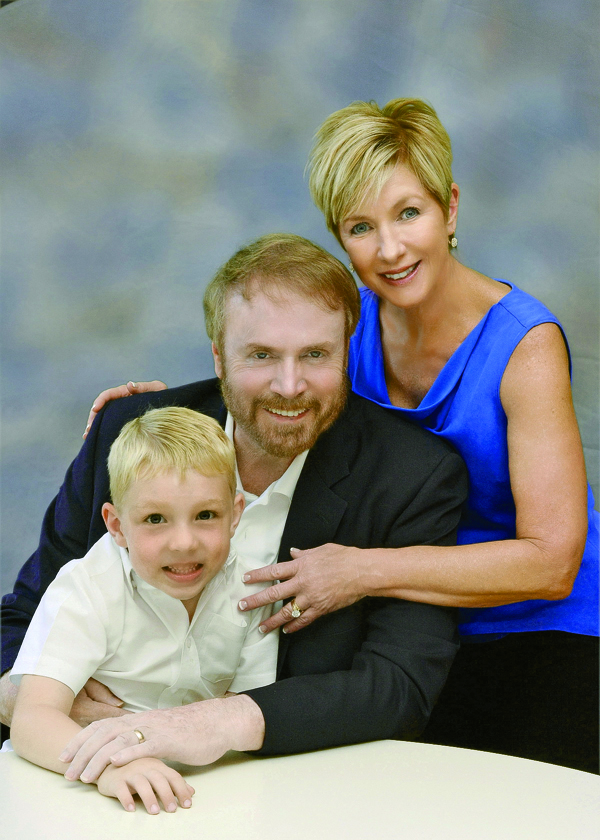
For his part Bonniwell views the drive time slot at 710 KNUS as an extraordinary adventure which may have a limited shelf life. “I have a full-time job running the Glendale Cherry Creek Chronicle and I have a separate law practice,” said Bonniwell. “Also, Julie and I didn’t have Rev [their 6-year-old son] so he could be a latchkey child. Having a hit radio show on Saturday morning is just fine. Doing radio full-time is not what I had contemplated, but the opportunity was presented to us and so we agreed to ride the wave for a little while anyway.”
710 KNUS came to dominate the talk radio world in Denver, after longtime radio legend Peter Boyles came to the station four years ago, after being fired by 630 KHOW as a result of a minor altercation with his longtime producer Greg Hollenback. KNUS has a smaller radio signal than its major competitors 850 KOA, 630 KHOW and 560 KLZ.
But the star power that Boyles brought over to the station has totally altered the talk radio landscape, in part because more and more listeners utilize their computer or mobile device to pick up shows. Boyles was recently the subject of a highly positive piece on his career by Mike Roberts in Westword.
Bonniwell and Hayden had a popular Saturday morning show on 850 KOA for several years until they were let go as part of a massive nationwide cost-cutting plan to save Clear Channel Radio (now iHeartRadio) from having to go into bankruptcy. The national radio giant which owns hundreds of stations had crippling indebtedness imposed on it as part of the acquisition of it by Bain Capital Partners (Mitt Romney’s old firm) and Thomas H. Lee Partners for $26.7 billion in November of 2006. iHeartRadio lost $300 million last year.
Salem Corporation which owns 710 KNUS also owns stations across the country but is a much smaller enterprise and is, according to SEC filings, profitable.
What is it like for a married couple to do a radio program together six days a week? “Luckily we have a great time together on and off air,” noted Hayden.
Bonniwell weighed in, “We have an enormous amount of fun and I think it comes across on air. We are there to entertain our listeners. I have my opinions, Julie has hers, our guests have theirs and the listeners and callers have theirs. We don’t pretend to have any corner on truth and any and all opinions are welcome. If Julie and I took ourselves and our opinions too seriously it could be contentious, but luckily we don’t … at least most of the time.”
by Mark Smiley | Jul 24, 2017 | Main Articles
Defiant Neighborhood Advocates Demand Action, Final City Council Vote Scheduled August 14
by Glen Richardson
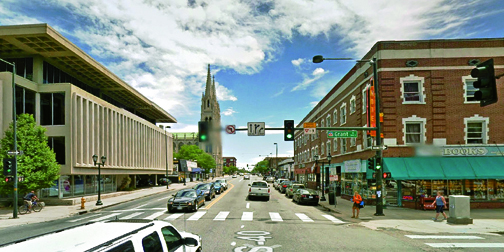 Colfax Avenue is one the oldest and most prominent streets in all of Denver and was originally called “Golden Road” and then “Grand Avenue.” In 1868 in order to curry favor from the powerful Speaker of the U.S. House of Representatives, Schuler Colfax, the city renamed the street “Colfax Avenue.” The renaming doesn’t appear to have helped much as there is no record of Schuyler Colfax ever doing anything for the city of Denver.
For a half century, there is no major commercial street that has been more ignored and non-funded than Colfax Avenue by the City and County of Denver. The street technically runs 26.5 miles through the cities of Aurora, Denver, Lakewood and Golden. But the stretch that is particularly denigrated is the eight miles running east from Sheridan Boulevard near Sloan’s Lake to Monaco Boulevard. The Denver Police Department is accused of dumping all of Denver’s social ills on this corridor including drugs and prostitution.
Bond Program
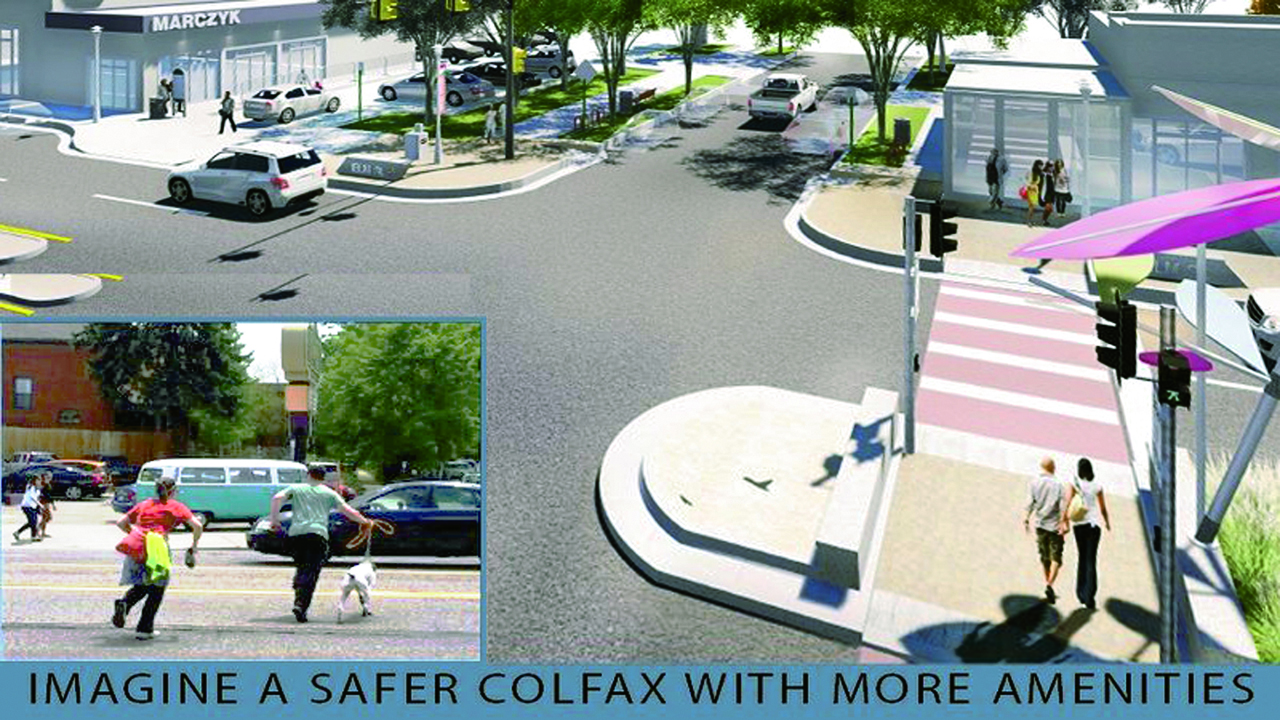
But notwithstanding that non-help, the eight-mile stretch has once again starte d to prosper. The mayor of Denver and the City Council have been mapping out what to include in the proposal of its massive almost billion-dollar bond issue to be presented to the voters in November. The Colfax Corridor was allocated a somewhat pitiful $20 million for improvements, but that is better than the usual nothing. The money would go to make the corridor more walkable and pedestrian friendly allowing more of a m
 ixed use main street feel.
Another $55 million was to be shoveled to the always greedy RTD for Bus Rapid Transit (“BRT”) from Broadway to Yosemite. Colfax east of Monaco will also get paved and have improvements related to BRT.
Last month the Colfax Corridor was, however, given the short straw once again when the proposed bonding money was cut back by Mayor Hancock’s staff from $20 million to a mere $6 million. This time however, the businesses in the form of BIDs a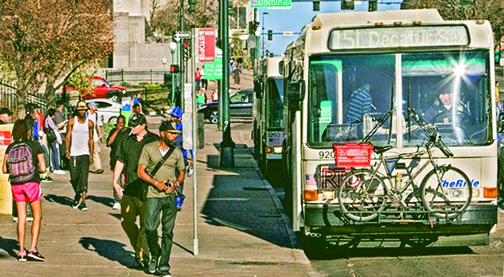 nd nearby residents decided to fight back. They argued that without the original $20 million critical infrastructure would not be met and it eliminated items designed to make it a comfortable, walkable main street for the tens of thousands of Denver residents who live, work and go about their rounds there.
The enormous commotion raised by the Colfax Corridor advocates in fact worked, and the mayor’s staff restored the original amount in final recommendation to the City Council. But it isn’t over yet: City Council will make their final vote on August 14. If approved by the City Council and later by the voters in November it will be the first major public improvements on Colfax Avenue in 50 years.
All the city plans envision Colfax as a walkable, vibrant and safe main street that attracts people. Until now the reality hasn’t matched the vision because Colfax was designed and is maintained as a state highway. There are many lanes, the intersections are apart, with no landscaping or pedestrian lighting — all of this encourages motorists to speed. Colfax is now the city’s top crash corridor, with 10 pedestrian deaths in 2015-16.
“We have a once-in-a-generation opportunity to invest in the main street vision that has been on the books for so long,” says Hilarie Portell, executive director of the Colfax Mayfair BID. “If we make the area more comfortable and safe for people, we will attract more customers and more neighborhood-serving businesses.
Traffic, Flood Mayhem
The Mayfair BID is proposing a modest set of improvements, including enhanced pedestrian crossings, lighting, street trees and landscape, trash cans, bike racks and benches. These pedestrian-friendly improvements also reduce traffic speeds, promote stronger property values for businesses and homes, and create more local jobs and tax revenues for the city.
Parts of the Colfax Mayfair BID and adjacent neighborhoods are in the flood prone Upper Montclair Storm Water Basin. There is simply too much pavement and the old, small, underground pipes can’t handle heavy rainstorms. The Mayfair BID’s streetscape plans also include green space at intersections and 200 street trees. Fortunately these critical environmental upgrades have been restored to the bond package.
Portell’s point: These outcomes are precisely why the city has invested more than $40 million in Brighton Blvd. (20 blocks) and $37 million on South Broadway (17 blocks) in recent years. The current bond list also includes $23 million to improve five blocks of Washington St. north of I-70 and $16.7 million for a seven-block stretch of West 13th Ave. Apparently the Mayor has now found the additional $14 million for eight miles of our city’s iconic main street!
If Not Now, When?
It has taken 30 years for the four BIDs to organize, do the planning, accumulate funds for long-term maintenance costs and get the Colfax Pedestrian Improvement projects now on the bond list. Known as the Colfax Collaborative, the group is made up of four BIDS located along the corridor. They are from East to West the: Colfax Mayfair, Bluebird, Colfax Ave. and West Colfax. They continue working together on common challenges and opportunities on Colfax, including the safety and comfort of those living, working, shopping and socializing in each area.
Returning Colfax funding to the full $20 million supports the 15 neighborhoods representing 75,000 neighbors and six city council districts. Furthermore, it is projected to add 110,000 new jobs and as many as 25,000 new residents along the corridor in the coming years.
“Our BIDs are comprised of civic-minded business leaders who tax themselves more to make Colfax Ave. a better place for everyone,” adds Colfax Mayfair BID’s Jamie Harris. “As a group, we’ve already invested nearly $250,000 and have committed to spend millions on long-term maintenance. We are ready to partner with the city to bring Colfax to the next level as a truly great street.”
Councilman Chris Herndon adds: “This is an important investment in the character and usability of Colfax and one that I hope will have a ripple effect in encouraging reinvestment along the corridor and in the surrounding neighborhoods.”
Is Valley’s Main Drag At Turnaround Junction?
Colfax is a broad and bustling thoroughfare that in the past attracted hustlers and hipsters, not money and business. But despite the street’s hard-scrapped soul, construction projects keep popping up — especially on West Colfax. Could the Go Bond money be enough to cure its notorious hangover?
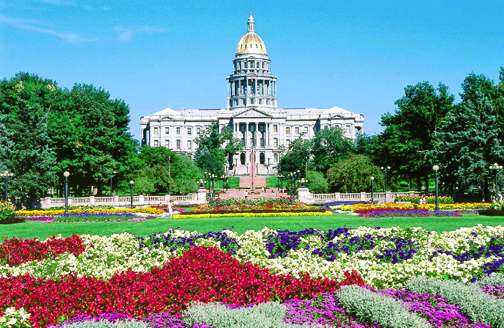
Colfax Ave., of course, is the official home office of Denver’s more than 10,000 city-county employees as well as the State Capitol building.
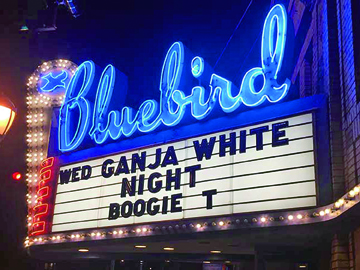
The old Denver post office building here has even attracted business. New York financial’s OnDeck Capital recently leased 72,000 sq. ft. The Fillmore Auditorium, the Ogden and Bluebird theaters, Twist & Shout and the Sie FilmCenter are all located along the strip. So is the McNichols Bldg. and Civic Center Park.
Furthermore, the street has always had “good bones” and wonderful neighborhoods, according to many BID officials, local businesses and residents the Chronicle asked about the street’s outlook. The $20 million in bond proceeds is but a fraction of what is needed for the Colfax Corridor’s lofty goals, but it is at least a start.
by Mark Smiley | Jun 23, 2017 | Main Articles
Ruby Hill Park Turned Into Music Venue
by Glen Richardson
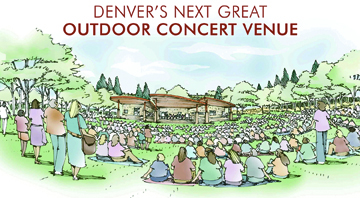
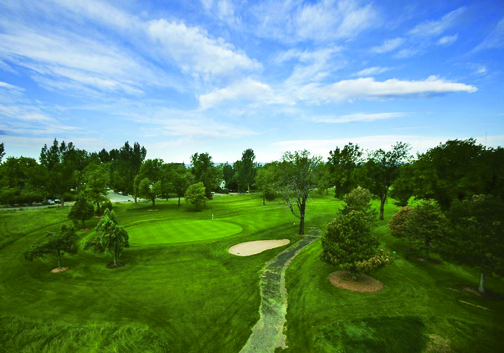 Mayor Michael Hancock’s administration’s unceasing efforts to reduce parkland available to Denver residents and to monetize what remains was greatly enhanced by a scheme to turn Ruby Hill into an outdoor music venue throughout the year and convert adjoining Overland Park Golf course into a mega concert location for six weeks each summer.
The permanent Levitt Pavilion at Ruby Hill has been constructed at 1380 W. Florida Ave. near I-25 and Santa Fe along the Platte River. The first event is scheduled for July 20, 2017.
There are supposed to be 40 to 50 “free concerts” and 15 to 20 ticketed events. One resident noted: “There is no such thing as a ‘free lunch’ or a ‘free concert.’ Somebody is paying and somebody is making money. We know the city government is totally corrupt. The whole thing has the stench of a con job which we will learn about only later, if at all. I believe nothing the mayor or the members of the City Council say. Pockets are being lined throughout the city.”
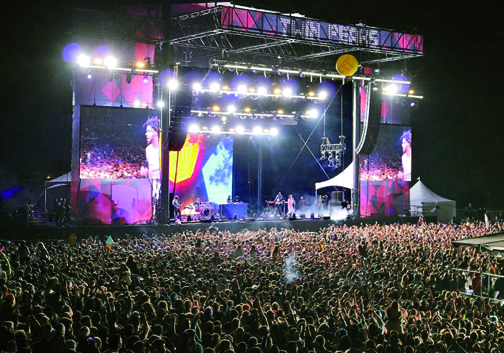
The venue is projected to be about two and a half times bigger than Red Rocks Amphitheater, according to the Levitt website. The first free concert is Slim Cressna’s Auto Club. The first paid event ($40, $55 and $75) is the following night (July 21) when
UB40 legends Ali, Asto and Mickey, with special guests Matisyahu and Raging Fyah entertain. The next free concert is the Stone Foxes playing on July 23. Free August concerts are The Suffers on Aug. 3, John Fullbright on Aug. 4 followed by Gaby Moreno on Aug. 24. Levitt Pavilion’s first Beer Festival on Aug. 26 is expected to keep the “Rockin’ Ruby Hill Summer” hot as they’re adding a free concert by Karl Denson’s Tiny Universe considered as one of the best live bands on the planet. Denson now serves as the saxophonist in the Rolling Stones.
The just completed Pavilion itself is a metal mesh-clad building under-laid with a LED screen surrounding the stage. The stage is 43-ft. wide in the front, 30-ft. deep and 60-ft. wide in the back. The stage is large enough to hold the entire Colorado Symphony. The venue includes built-in food truck pads plus concessions. The venue’s official capacity is 7,500 concertgoers, with about 2,500 fitting within the main area where alcohol is allowed. But as executive director Chris Zacher reminds attendees, “The good thing about the venue is we have a movable fence line!”
Choir Of Concern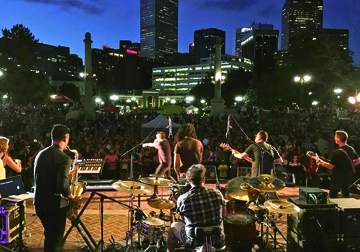
If huge crowds and the musical rebellion starting up at Levitt Pavilion isn’t enough to keep Denver’s south neighborhoods awake at night the City of Denver’s approval on June 20 for a three-day festival across the Platte River at the foot of Ruby Hill on the Overland Park Golf Course beginning in Sept. 2018 has even more detractors. That festival will be an annual event featuring musicians from a variety of genres on multiple stages, as well as food, art and culture. The private promoter of the admission-based music festival says it could host “between 60,000 and 200,000 people over three days.” The historic golf course is a quiet, countrified space just north of Evans Ave., east of South Santa Fe Blvd.’s rushing traffic and west of the Platte River. Many neighborhood residents had hoped to see it remain that way. Proponents, however, say “it will put Denver on the map and bring money into the neighborhood.”
Giant entertainment firm AEG pulled out and Superfly, the company behind both the Bonnaroo in Manchester, Tenn., and Outside Lands Festival in San Francisco is the winner. They receive a five-year, six-week contract annually with the city and the golf course. The amount of time allows for setup, teardown and damage repair. The City Council approved contract is for five years at an annual rate of $200,000, with “additional monetary and non-monetary considerations,” to produce the annual three-day music festival at Overland Golf Course located in Council District 7.
The June 20 Overland Golf Course deal (City Council Bill 17-0678) was offered by District 8 Council member Chris Herndon and received unanimous approval. Wayne New was absent. Citizens briefed on the proposal say the festival will be modeled on the Outside Lands Festival in San Francisco. That event drew 210,000 people last August.
Helene Orr, who lives on West Jewell Ave. across from the Overland Park course, says, “It wasn’t a real process to me. We aren’t in the contract. We can say ‘XYZ’ but how will we know?” Her worry: She believes the city intends to turn Overland Park into a permanent, large-event venue and notes that the Levitt Pavilion opening this month will already host 65-70 concerts per year. While Denver has more concert venues than say Austin or Nashville, it doesn’t have a Sixth Street or Music Row comparable to those cities. Valley music fans truthfully want Ruby Hill to become that location and so does the Mayor’s office and Parks & Recreation Department.
Listen To Tone
Area residents around Levitt Pavilion say they will be closely monitoring noise complaints and sound levels during both free and paid concerts beginning this month. Levitt officials say they hope to work with neighborhoods and make sound adjustments. The reassurances, however, aren’t likely to mollify neighbors opposed to the venue, especially once the fall school season begins.
In addition to the Valley’s music interests, there are supporters for next year’s mega concert on the Overland Golf Course. Rob Lovell and Rana Razzaque who live directly opposite the driving range — where the main stage would be built — argue, “This is progress.” It will be noisy for three days, but it will bring in world-class musicians. “A few large trucks are a small price to pay for a top-notch festival,” says Lovell. Razzaque believes the event will increase infrastructure into the area. Adds resident Paul Bodor, “I didn’t hear any downside that concerns me enough to cloud my enthusiasm.”
Before the Overland proposal was approved, the tone of the debate was less harmonious. “Parks are under attack all over the city and we have to band together to maintain our quality of life in Denver,” says parks activist Bridget Walsh. She has been critical of the Hancock administration’s use of City parks in the past. Mara Owen, president of the Overland Park Neighborhood Assn., says residents have been assured the golf course event would only go forward if community groups agreed it was a good idea. But Walsh adds: “Owen and I fear 200,000 people on a golf course will come to a no-good end.”
City Has The Brass
Denver put plenty of backspin o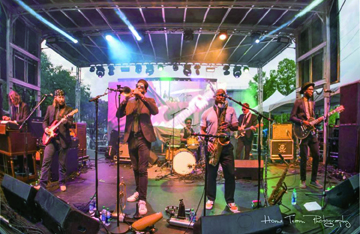 n the proposal because with approval the city has scored an ace: The city will get between $1.5-$2 million from lease fees and seat taxes per year, more as attendance increases. District 7 City Councilman Jolon Clark calls the festival “an opportunity with an estimated $60 million economic impact.” Clark acknowledges that the money will go to the City’s general fund and not to the neighborhood. He adds, however, “I’ll fight to the death to secure the neighborhood a fair share.”
Adding to the City’s winning scoring game is Denver Parks & Recreation Executive Director Happy Haynes. She promised in a press release to “fulfill the guidelines set forth during the community input process.” Furthermore, she adds, the City will “hold the event organizers accountable to protecting that, which is valuable to our city, its residents and neighborhoods.”
Continuing public concerns and questions about the Overland Golf Course deal can be categorized into four main themes: 1) Concerns about impact to the golf course; 2) Concerns about impact to the neighborhood; 3) Benefits that would come to the golf course and surrounding area; and 4) Concerns regarding the contract length, local artists, affordability and revenue to the City. Despite the approval many residents say they have mistrust toward the city and wanted specific guarantees and accountability. Furthermore, residents remain uneasy about parking, trash, noise and community safety.
by Mark Smiley | Jun 23, 2017 | Main Articles
It’s The Latest And Greatest Rage In Lowry And Stapleton
by Julie Hayden
 It’s no secret the Denver area has one of the hottest real estate markets in the country. But in the new homes in Lowry and Stapleton, the hottest “must have” amenity is a secret. A secret room, that is, a “panic room” or the now-preferred term — a “safe room.” And it’s no longer just for the highest of the high-end homes. Safe rooms are becoming much more mainstream in the Cherry Creek Valley.
Celebrities on the A-List have long invested in safe rooms. Top of the line bunkers offer much more than security from nuclear fallout or terrorist attacks. Some include everything from wine cellars, to Jacuzzis and storage for sports cars.
Lady Gaga’s $23 million dollar Malibu mansion has horse stables, a bowling alley, guest cottage and a safe room off the master suite.
The Napa Valley estate of late comedian Robin Williams featured not one but three safe rooms.
These are not just bunkers for billionaires anymore. One local realtor talking about safe rooms says, “Oh, they’re definitely here in homes in the metro area.” You may not see “safe room” cited in the listing advertisement, but he says, “There are definitely homes in the Denver metro market that include safe rooms as part of home security.”
And certain contractors say “safe rooms” are all the rage in the Lowry and Stapleton areas.
Safe Room Remodel
One Stapleton resident tells us he just finished a remodel project that includes a safe room. The family has young children and he says the project started as a reading and relaxing room for his wife. But the husband saw a booth at a recent home show for Hidden Doors By Design and decided to expand the project into a hidden safe room.
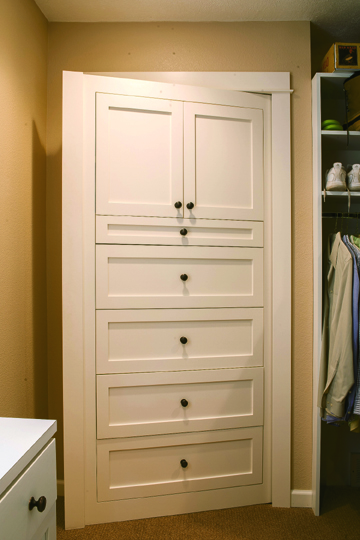
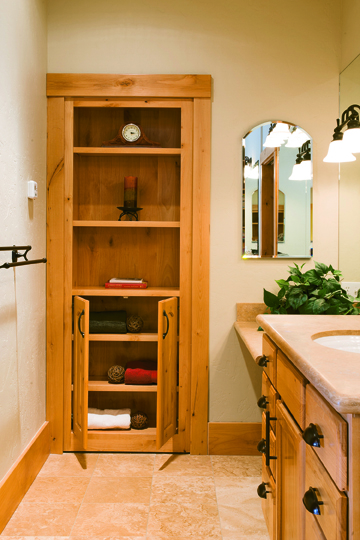
The secret door looks like a regular bookshelf from one sid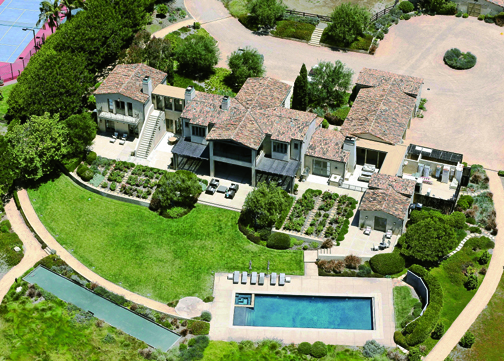 e. But it’s actually fortified, weighs nearly 500 pounds and slides open on ball bearing rollers to reveal the hidden safe room, complete with security communication lines. He estimates the entire project cost $6,000.
“There’s only one thing, “ he jokes. “We just had a baby so my wife never has any time to relax and read in her special room. “Still, he adds, It gives us some peace of mind knowing the safe room is there to protect us should we ever need it.”
Hiding In Plain Sight
A key requirement for any safe room is that it be hidden. Peggy Reed, owner of Hidden Doors By Design in Broomfield says her business is booming. She founded the Denver area company in 2011 and says she’s seeing an increase in the number of homeowners who want a hidden door to conceal a secret room. “I think it’s people who are concerned about safety,” she says and adds, “There is also an increase in people who store their guns and other valuables in a safe but now want the safe hidden as well. “
Reed doesn’t want to reveal security secrets, but explains the doors are fortified with an internal steel structure and look just like a bookcase or drawers and can pass the closest scrutiny. The homeowner accesses the hidden safe room with a remote-control device, which can be concealed anywhere, even disguised as a plant.
Hidden Doors By Design handles exclusive high-end requests. “We have two hidden doors being installed in a $5 million home in the north metro area,” she says. But a growing number of clients have homes in neighborhoods like Lowry and Stapleton. “We sell hidden doors to customers all over the metro area,” Reed notes. The cost varies depending on the design but most of their doors sell for $3,000 to $4,000 dollars.
Popularity Skyrockets
Panic rooms have been a hot topic since the 2002 movie where actress Jodie Foster played a mother huddling with her daughter in a fortified room while burglars invaded their home. In recent years, safe room consultants’ websites boast business is skyrocketing, with more and more people requesting the added security of a safe room.
The actual design is limited only by the homeowners’ imagination and budget. But in general, a safe room is an ultra secure area inside your home where your family can safely retreat during a home invasion, while calling for help and waiting for police to arrive.
And it’s not just for home security. Glendale Deputy City Manager Chuck Line won’t name names, but says, “There are businesses in Glendale that have safe rooms, places where the staff can safely retreat during an invasion or robbery until police get on scene.”
Line explains Glendale does not have any specific requirements regarding safe rooms. “But they have to meet the basic building codes covering things like access and fire protection.” Line points out most safe room building plans don’t actually use the term “safe room” with an arrow pointing to the secure location. But he says a sharp observer looking at building blueprints might notice a room constructed with specific fortified materials. “That would indicate it’s probably a safe room,” Line says.
Peace Of Mind — Priceless
As safe rooms become more popular, they’re also becoming more affordable. Per the websites of safe room contractors, you could fortify a walk-in closet for a few thousand dollars. On the other end of the financial spectrum, you could spend millions of dollars for one of the most luxurious bunkers.
But at a minimum, most secure safe rooms include a steel reinforced, vault type door, ballistic or bullet proof construction materials, a ventilation system, security monitors, survival supplies and back-up communications and energy systems.
Reed says whether you’re looking at a remodeling project or buying a new home, there are safe room options at just about any price point. And the peace of mind is priceless.

by Mark Smiley | May 31, 2017 | Main Articles
by Mark Smiley | May 26, 2017 | Main Articles
U.S. Government Desperate To Hide Identity At Bundy Standoff Trials
by Charles C. Bonniwell
Glendale’s very own phony private investigator Charles Johnson has now made national news regarding a fake documentary he directed on the Cliven Bundy family in Nevada. His national exposure includes PBS’ Frontline documentary television series and stories in the investigative online magazine The Intercept to the apparent great consternation of the Federal Bureau of Investigation and the United States government generally.
Johnson Comes To Glendale
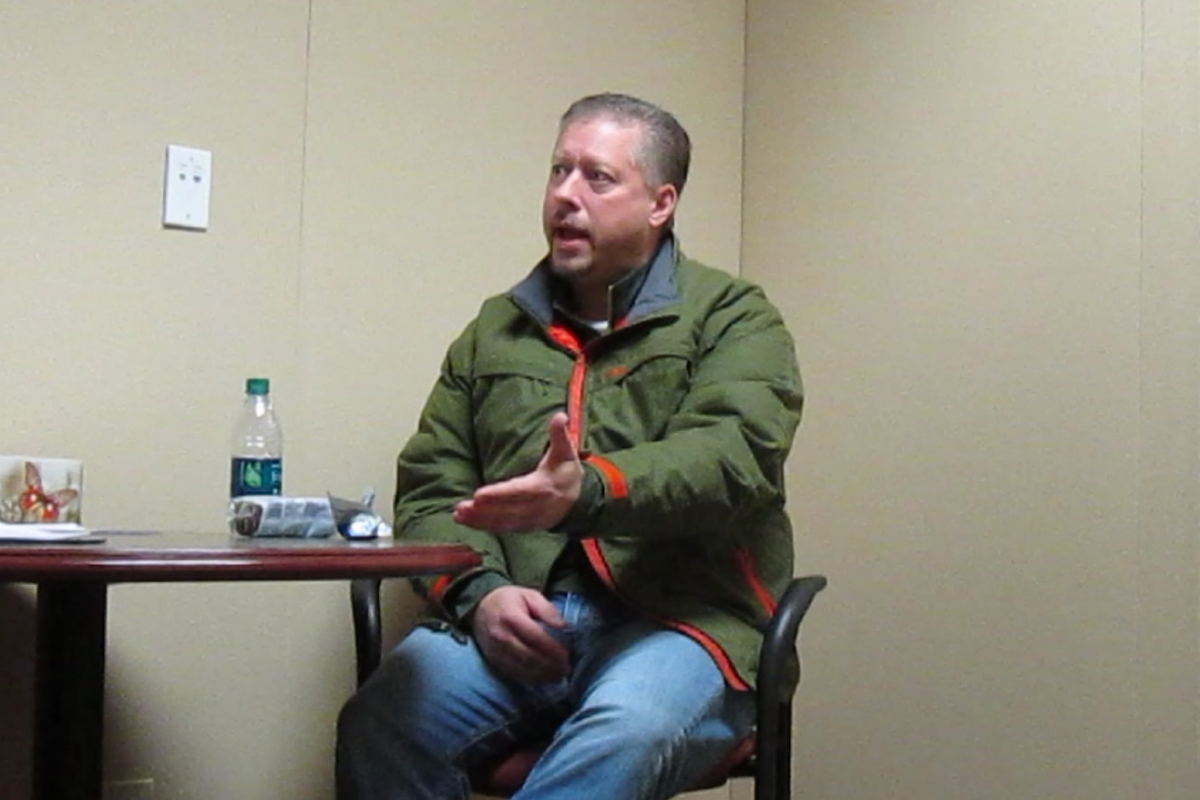
Johnson arrived in Glendale in March 2016, claiming to be a private consultant for an unidentified “female journalist” tracking down anyone who was quoted in the Glendale Cherry Creek Chronicle critical of Mohammad Ali Kheirkhahi, the principal owner of Authentic Persian & Oriental Rugs, or his proposed massive condo development on Colorado Boulevard. Johnson also tried to gain entrance into Glendale City Clerk Sherry Frame’s Denver apartment late on a Saturday afternoon. (See “Phony P.I. Arrested: Citizens Critical of Wealthy Rug Merchants Harassed,” Chronicle front page April 2016 issue.)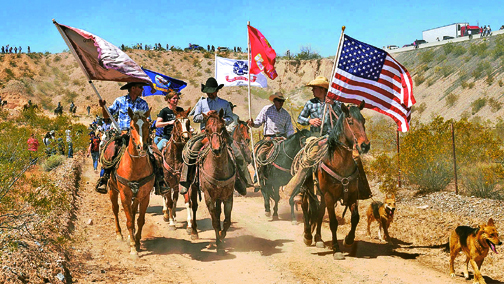
Various persons who were stalked and harassed by Johnson filed complaints with the Glendale and Lakewood police departments and when he returned to Glendale several weeks later he was arrested by the Glendale Police for failing to register in Colorado as a private investigator as required by Colorado law. However, prior to going to trial in Arapahoe County on the misdemeanor charge the FBI demanded that Arapahoe County D.A. George Brauchler dismiss all charges “for reasons that cannot be disclosed.”
FBI Letter
Brauchler however indicated that he required a letter on FBI letterhead by the Special Agent in Charge of the Denver office before he would act. He then took the letter, attached it to his request for dismissal to the court, which made the letter publicly available to the outrage of the FBI. The Chronicle published the full letter as part of our June 2016 front page story “Phony P.I. — FBI Mole or Worse? All Charges Dismissed Per FBI.”
In March 2017 the Colorado Department of Regulatory Agencies issued a “Cease and Desist Order” against Johnson from acting as a private investigator in Colorado without obtaining a license, which the FBI was unable to block. (See “FBI Agent Provocateur Charles Issued ‘Cease and Desist Order’ From Colorado Agency,” Chronicle front page February 2017 issue.)
But it was always unclear who exactly was Charles Johnson. Was he an FBI informant, a rogue agent or something else? We now know. The man arrested by the Glendale police and pictured on the front page of the Chronicle is, in fact, an official Special Agent of the FBI whose real name is not Charles Johnson.
Johnson In Nevada
Agent Johnson went to Nevada after the standoff over the cattle of Cliven Bundy which had been seized by the BLM concerning a multiyear grazing fee dispute. A group of armed citizens had taken the cattle back from the BLM who feared a Ruby Ridge-like firefight and had backed down. But the government was now intensely committed to bringing criminal charges against Cliven Bundy, his two sons and 14 other people who were part of the standoff.
Johnson arrived in Nevada claiming he was a documentary film producer and he wanted to produce a film to be called “America Reloaded” that would be sympathetic to the Cliven Bundy family and followers. But he was, in fact, an undercover FBI Special Agent hoping to obtain incriminating statements to be used in any upcoming criminal trial. He gave out a card that was exactly the same, with one exception, as he used in Glendale with the same address in Nashville and phone number but instead of “Detective Consultant” it stated he was a director with “Longbow Productions.”
Ultimately Johnson and his camera crew obtained over 100 hours of interviews, portions of which were shown at the trial of six relatively insignificant Bundy standoff participants. The federal court ordered, over the objections of the federal prosecutors, that the minor participants be tried first followed by Cliven Bundy and his family and then a third trial of middle level participants.
Cloak Of Secrecy
Johnson was brought in under the cloak of secrecy to testify about his fake documentary. It was admitted that Johnson was, in fact, an undercover FBI agent, that Charles Johnson was not his real name, and the government would not provide his real name. He entered the courthouse through a special entrance barred from the press and the public. To hide his visage from the public all cell phones were banned from the courtroom. The federal judge prohibited any questions of Johnson about his other activities.
All of this amazing court secrecy seemed almost comical as all anyone had to do was Google the name Charles Johnson and FBI and Johnson’s arrest photo appears from the stories run in the Chronicle and on Fox 31 television in Denver. That was exactly what Trevor Aaronson, investigative reporter for The Intercept, did for his story “How An Undercover FBI Agent Ended In Jail After Pretending To Be A Journalist.” He also requested copies of the tapes, recordings and documents regarding the arrest of Johnson for his story from the City of Glendale.
The Glendale story 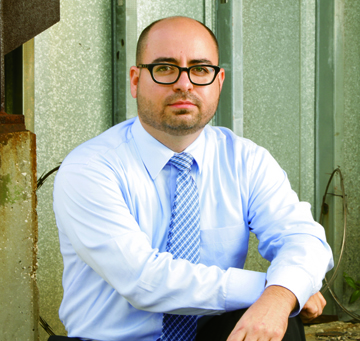 was a subsidiary story to one Ryan Deveraux and Trevor Aaronson wrote in The Intercept titled “The Bizarre Story Behind the FBI’s Fake Documentary About the Bundy Family.” Embedded in the online story at The Intercept are portions of the fake documentary with Johnson as the director and interviewer trying to get the Bundy family and others to criminally implicate themselves as well as telephone calls with Johnson and Bundy family members.
PBS
PBS’s Frontline has a documentary series titled “American Patriot: Inside the Armed Uprising Against the Federal Government” in which they did a segment on May 16 titled “FBI agents posed as filmmakers infiltrate the Bundy family” in which they reveal Johnson’s fake documentary. Interestingly Frontline, in playing the videos of Bundy and followers as well as Johnson’s phone calls, distorted Johnson’s voice to hide his identity perhaps not realizing that Johnson was already an infamous figure and that the same video and phone calls were on The Intercept’s site without distortion.
Poor Track Record
The FBI’s history of pretending to be film makers and journalists is highly dubious and controversial. In the FBI’s scandalous persecution of alleged Atlanta Olympic bomber Richard Jewell, the FBI tried to get the innocent Richard Jewell to waive his constitutional rights by informing him they were simply doing a training film about bomb detection. The FBI then leaked his name to the press. It was later determined that the deadly bomb was, in fact, planted by Eric Rudolph, an anti-abortion activist. Jewell, found innocent, later sued the FBI and got a large monetary settlement.
The FBI pretending journalists became so tainted that in June 2016, four months after Johnson’s foray into Glendale, then Director of the FBI James Comey announced the FBI would rarely use that ruse and only after consultation with the deputy attorney general.
First Bundy Trial In Nevada
The first Bundy Nevada trial which ended April 24, 2017, did not go well for the government. None of the six defendants were found guilty of the main two conspiracy charges that were the core of the government’s case. Two of the defendants were found guilty of other charges including Gregory Burleson who was found guilty of eight charges, inter alia, threatening and assaulting a federal officer, interstate travel in aid of extortion, and brandishing a weapon.
The website for Frontline states that the Johnson fake documentary footage was used to help convict Burleson. Frontline did not reveal that Burleson was, until just prior to the Bundy standoff, a paid informant for the FBI in Arizona.
Federal Judge Gloria Navarro declared a mistrial for the four defendants not convicted of any charges and set the retrial to June 26, 2017. Charles Johnson is expected to once again testify under strict secrecy even though he has now become a highly visible public figure.
It is expected that the government may try to take a different approach at the retrial as defense attorneys stated that the jurors split 10 to 2 for acquittal for two defendants and a majority for acquittal on the other two defendants.
Giglio — Impaired Witness
The FBI and/or the federal prosecutors may be facing ethics charges relating to Charles Johnson. Under the 1972 U.S. Supreme Court case of Giglio v. United States when a federal employee is to testify the relevant agency must disclose any information that reflects negatively on its employee’s credibility to the prosecutors and the prosecutors in turn must disclose such information to the defense attorneys. The fact that Johnson was arrested in Glendale, that he clearly lied to the Glendale police and is under a Cease and Desist Order from the Colorado Department of Regulatory Agencies would all appear to be mandatory Giglio disclosures.
According to The Intercept no Giglio disclosures were made to the defense attorneys regarding Johnson. While Federal district courts have a general reputation of looking the other way concerning FBI and prosecutorial misconduct Federal appellate courts are often not so lenient.
It is expected that Glendale’s own phony P.I. Charles Johnson will be prominently in the national news for the duration of the three Bundy trials in Nevada notwithstanding all of the secrecy efforts by the U.S. government.
But what was a super-secret FBI undercover agent doing in Glendale in the first place? Why would the FBI want to harass a city clerk on a Saturday afternoon as well as local citizens who just didn’t want a massive condo project on Colorado Boulevard? It is difficult to fathom a legitimate purpose and, of course, the FBI refuses to justify to the public its activities. The complete lack of transparency, even at the local level, may be one of the reasons why public opinion polls show ever decreasing approval ratings for what was once viewed as the nation’s preeminent law enforcement agency.