
by Mark Smiley | Oct 20, 2026 | Uncategorized
By Mark Smiley
The Zac Brown Band brought its signature blend of country, rock, and Southern soul to Red Rocks Amphitheatre on M onday night, October 19, delivering an outstanding performance filled with familiar hits, classic rock covers, and impressive musicianship.
With the spectacular red sandstone formations providing the backdrop, the Grammy Award-winning group demonstrated why it remains one of the most entertaining live acts in music.
Opening the evening was powerhouse vocalist Grace Potter, whose blues-infused rock sound and commanding stage presence provided a fitting introduction to the headliners. Potter returned later in the evening to join the Zac Brown Band for an electrifying rendition of the Rolling Stones classic “Paint It Black,” one of the night’s highlights.
The band delighted longtime fans with hits including “Chicken Fried,” “Toes,” and “Knee Deep.” The latter featured video footage of the late Jimmy Buffett on the venue’s large screens, providing a fitting tribute to the legendary singer whose laid-back musical style shared so much in common with the band’s own.
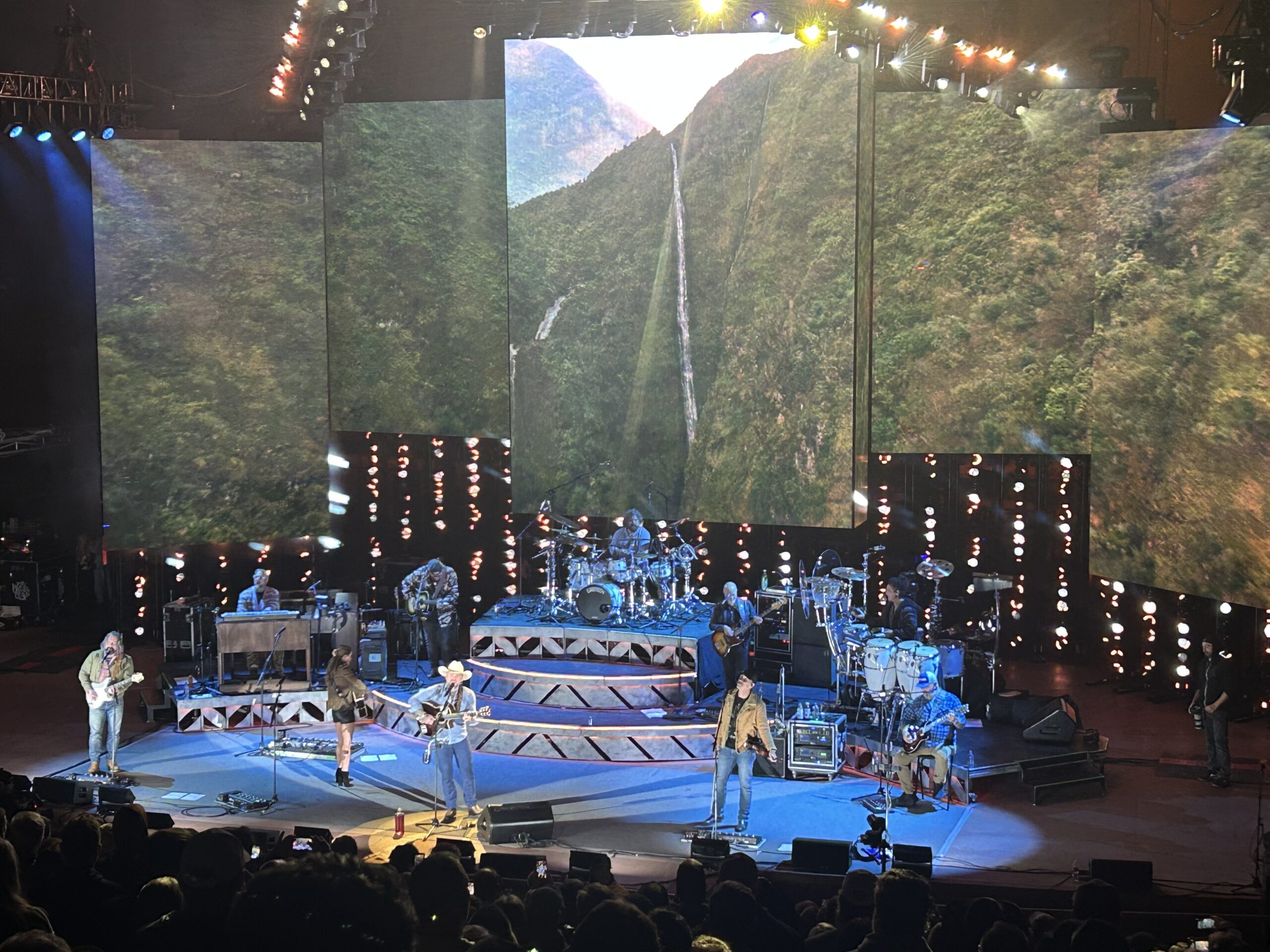 Another standout moment came with the band’s remarkable combination of its hit “Free” and Van Morrison’s classic “Into the Mystic.” The seamless blending of the two songs was nothing short of spectacular, showcasing the group’s extraordinary musical versatility and ability to reinvent familiar material.
### An Encore to Remember
The evening concluded with an entertaining encore that gave individual band members an opportunity to step into the spotlight, each singing portions of classic rock favorites.
Among the selections were John Mellencamp’s “Pink Houses,” Lynyrd Skynyrd’s “Free Bird,” and the Eagles’ “Heartache Tonight.” The rotating vocal performances demonstrated that the Zac Brown Band is far more than a talented frontman surrounded by backing musicians. Each member contributed a unique style and personality, turning the encore into a celebration of classic American rock.
Frontman Zac Brown led the ensemble with his trademark easygoing confidence, while the band’s tight harmonies, instrumental versatility, and enthusiasm kept the audience engaged throughout the evening.
Few venues complement the Zac Brown Band’s sound as naturally as Red Rocks. The combination of acoustic instrumentation, soaring harmonies, Southern rock influences, and the venue’s breathtaking surroundings made for a memorable concert experience.
Monday night’s performance was a reminder that great live music doesn’t fit neatly into musical categories. The Zac Brown B
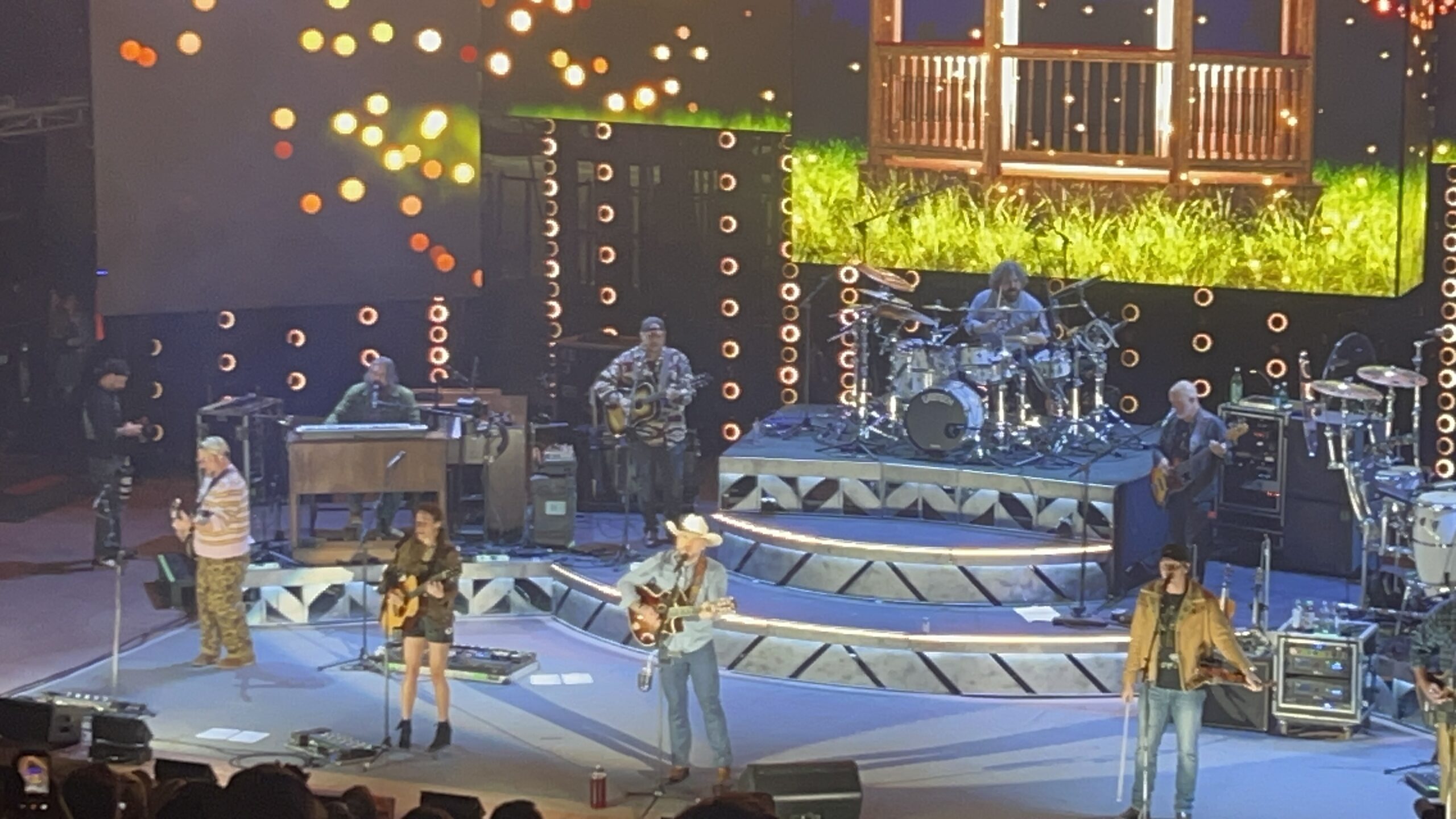
and may be considered a country act, but its Red Rocks performance was every bit as much a rock concert.
From the collaboration with Grace Potter to the Jimmy Buffett tribute, the brilliant “Free”/”Into the Mystic” mashup, and the crowd-pleasing encore, the band delivered an unforgettable evening at one of America’s most iconic concert venues.
by Mark Smiley | Oct 19, 2026 | Uncategorized
By Mark Smiley
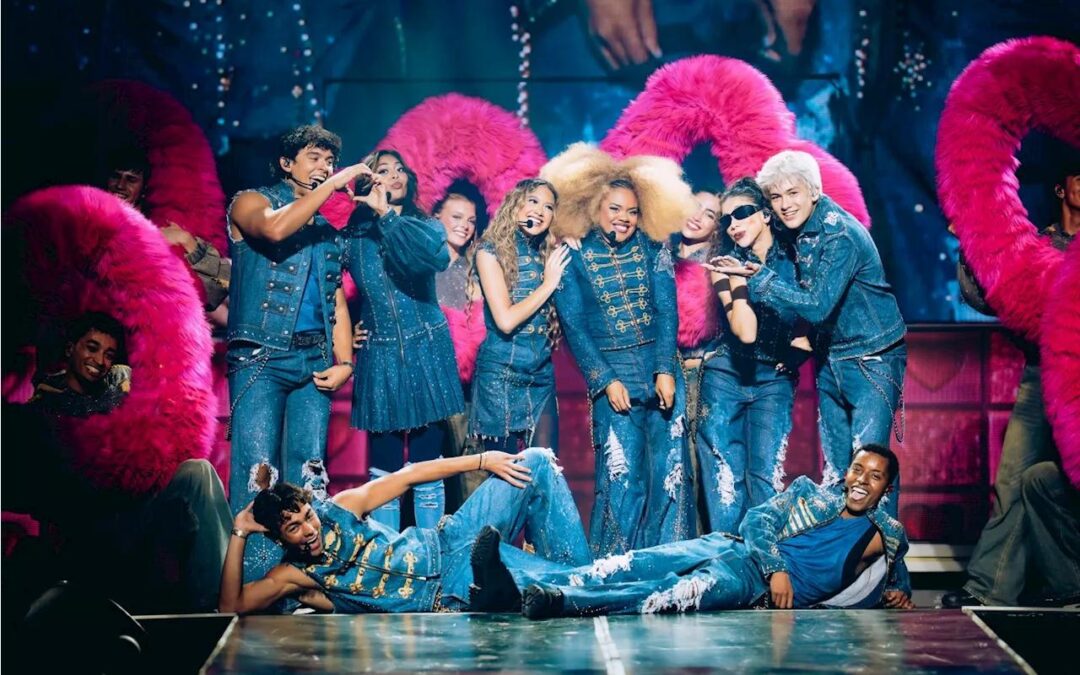
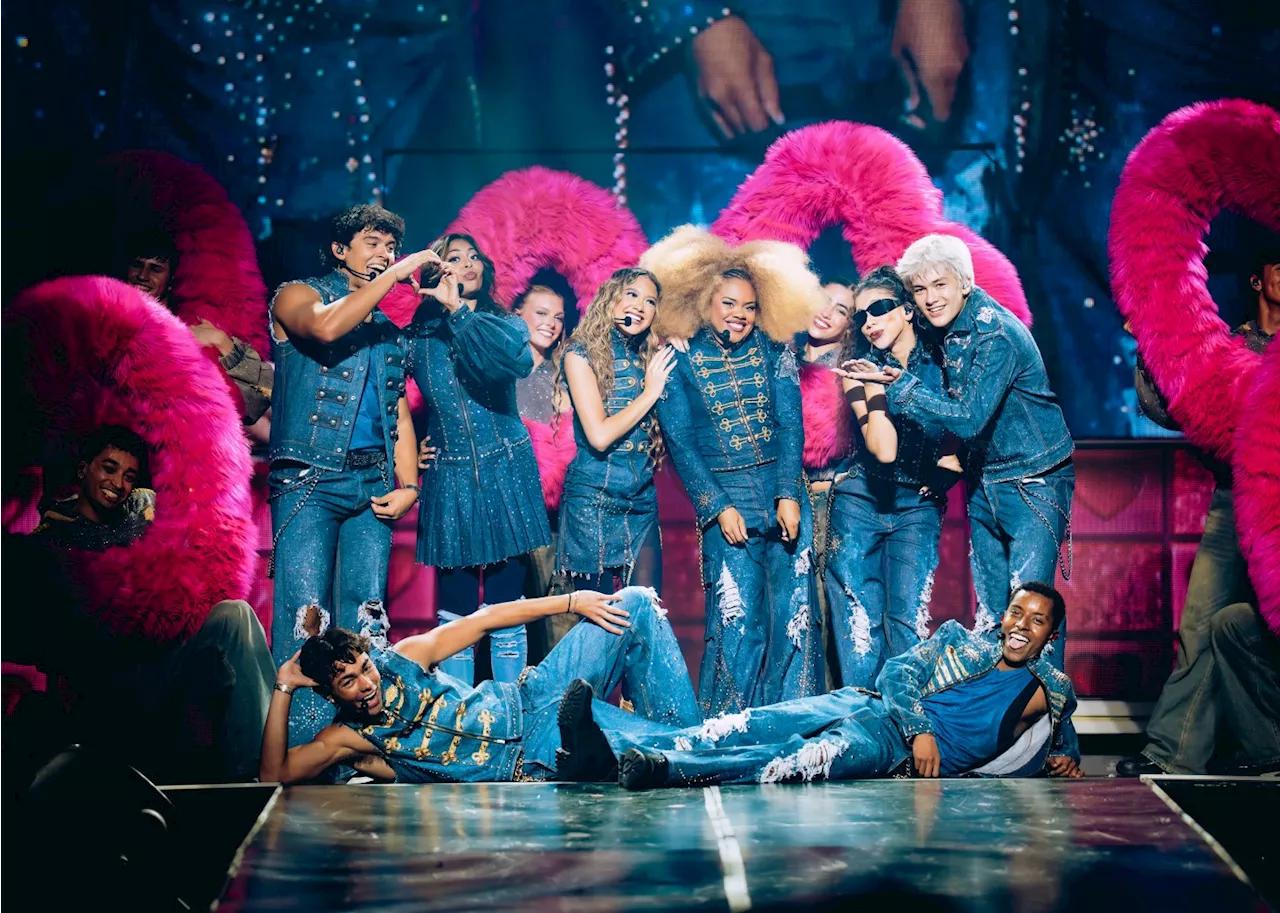 Disney brought its signature brand of music, dancing and family entertainment to Denver’s Ball Arena on Thursday, October 15, as the Worlds Collide Concert Tour united three popular Disney franchises for an energetic arena production.
Featuring music from Descendants, ZOMBIES and, for the first time, Camp Rock, the concert offered a colorful combination of elaborate choreography, dazzling special effects, costume changes and familiar songs that appealed to young fans and nostalgic parents alike.
The talented cast included Malachi Barton, Liamani Segura, Dara Reneé, Mekonnen Knife, Hudson Stone, Swayam Bhatia, Kiara Romero and Alexandro Byrd. Together, the performers brought the Disney Channel universe to life with lively musical numbers and impressive dance routines.
The tour’s musical lineup included fan favorites such as “Rotten to the Core,” “Queen of Mean,” “BAMM,” “Someday” and “This Is Me.” Creative mashups blended songs from the three franchises, while acoustic selections and original music from cast members provided a change of pace from the high-energy production numbers.
One of the show’s strengths was its ability to bridge generations. Younger concertgoers could celebrate their favorite Disney characters and songs, while parents who grew up watching Camp Rock had an opportunity to revisit some familiar music.
Although the emphasis on newer material and individual performances may not have satisfied every longtime Descendants or ZOMBIES fan, the production delivered the kind of polished, family-friendly spectacle audiences have come to expect from Disney.
For Denver families, Worlds Collide offered more than a traditional concert. It was a celebration of Disney music and storytelling, demonstrating that the magic of these franchises extends well beyond the television screen.
by Mark Smiley | Oct 19, 2026 | Editorials
Office Vacancies Approach 40 Percent Downtown As Cherry Creek North Attracts New Development And Commands Premium Rents
by Mark Smiley
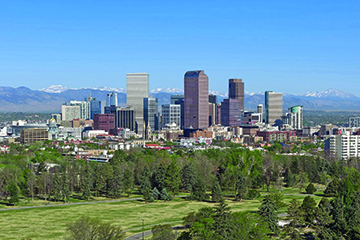
Downtown Challenges: Downtown Denver’s skyline remains impressive, but its office market faces significant challenges. Vacancies reached 38.6 percent during the second quarter of 2026, leaving property owners searching for tenants and alternative uses for aging buildings.
While downtown Denver struggles to fill empty office towers, Cherry Creek North is experiencing a building boom. Just a few miles southeast of downtown, developers are planning new office buildings, luxury residences, and retail projects in one of the region’s hottest commercial districts.
The contrast is striking. According to commercial real estate firm CBRE, downtown Denver’s office vacancy rate reached 38.6 percent during the second quarter of 2026. Meanwhile, figures presented by JLL in September placed vacancy in Cherry Creek’s most sought-after office market at just 2.2 percent, with asking rents approaching $94 per square foot. Although the figures reflect different market definitions, they illustrate the dramatic difference between the two areas.
A Building Boom Continues
One of Cherry Creek’s latest proposed developments is a five-story office and retail building at 2701 E. Third Avenue, near Clayton Street. Known as 3rd & Clayton, the project would include approximately 54,000 square feet of office space, ground-floor retail, and three levels of underground parking.
The proposal is one of several projects transforming Cherry Creek North from a boutique shopping district into a major employment, residential, and entertainment destination.
The approximately $500 million Cherry Lane development is expected to add hundreds of apartments, new retail space, and offices. Meanwhile, Oasis Apartments at 299 Milwaukee Street is expected to feature 177 apartments and approximately 26,000 square feet of retail space. Its retail space was reportedly fully leased ahead of the project’s anticipated 2027 opening.
Why Cherry Creek Is Winning
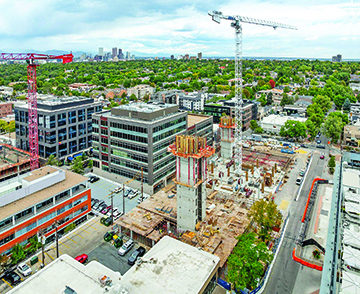
Building Boom: Construction cranes tower over Cherry Creek North as developers continue adding office buildings and luxury properties. The neighborhood’s thriving commercial real estate market stands in sharp contrast to downtown Denver’s struggling office sector.
The shift toward remote and hybrid work has fundamentally changed Denver’s office market. Businesses are seeking smaller, modern spaces surrounded by amenities that appeal to employees and clients.
Cherry Creek offers upscale restaurants, shopping, hotels, and convenient access to affluent residential neighborhoods. Its proximity to Glendale, Hilltop, and Belcaro makes it especially attractive to business owners and executives living nearby.
Investors are paying extraordinary prices for that convenience. CBRE reported that an office property at 255 Fillmore Street sold for approximately $941 per square foot, setting a record and highlighting the neighborhood’s appeal.
However, rapid growth comes with challenges. Increased traffic, limited parking, construction disruptions, and rising rents threaten the neighborhood character that helped make Cherry Creek successful. Smaller independent businesses may find it increasingly difficult to compete with national retailers and larger companies.
Downtown Faces An Uphill Battle
Downtown Denver’s office market is not without hope. CBRE reported 66,000 square feet of positive net absorption during the second quarter of 2026, along with the first quarterly decline in total vacancy since 2024.
Landlords are offering competitive rents and incentives, while some older office towers are being considered for conversion into residential buildings. Still, with nearly four out of every 10 office spaces vacant, downtown faces a difficult recovery. Lower rents alone may not be enough to persuade businesses to return.
by Valley Gadfly | Oct 19, 2026 | Main Articles
by Glen Richardson
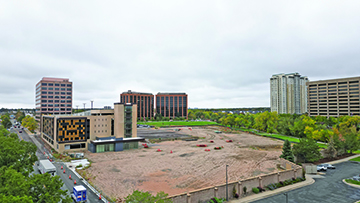
Promises Versus Reality: An aerial photograph shows the current condition of Glendale’s 10-acre Four-Mile District, where a six-story, 733-space parking garage stands alongside a large expanse of undeveloped land. Despite ambitious plans for a major entertainment and commercial destination, all work has ceased, the project is currently abandoned, and the $25 million garage remains the only building constructed by Salazar in the district.
Cities in Colorado are finding that entering into a seemingly binding contract with a developer to construct a critical downtown project does not mean it will ever, in fact, be done. The City and County of Broomfield entered into a $300 million agreement in 2019 with developers to construct a Broomfield Town Square on Main Street.
However, the September 12, 2026, deadline to pull the required building permits lapsed with no action taken. On October 13, the Broomfield City Council issued a notice to the developers to show cause why the Site Development Plan should not be revoked.
Even more frightening, the City of Glendale, in a court filing, accused Denver-based Central Street Capital (“CRC”), headed by Rob Salazar and his family, through a related entity, of inventing an excuse not to perform its obligations regarding the $150 million Four-Mile District along Cherry Creek on Virginia Avenue, down from Shotgun Willie’s. CRC then sued the city for $20 million in state court, the same amount a Salazar-related entity has sought from the City and County of Denver in an unrelated suit regarding property in Globeville.
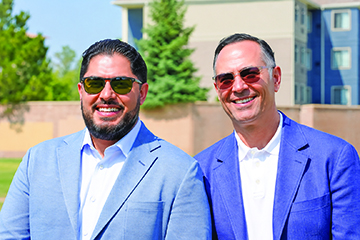
Litigious Father And Son: Rob Salazar (right) and Isiah Salazar (left) are pictured together at the groundbreaking of the Four-Mile District in Glendale on July 25, 2024. All work on the project has now ceased and through a related entity they are suing Glendale for $25 million which is just one of various lawsuits they have brought in the Denver area through entities they control against organizations (both private and governmental) they had been working with.
Glendale declared in its pleading: “Developer had no intention of completing the Project, so it manufactured a dispute to avoid closing on the purchase of Phase 1 Property.”
Litigious Family
The Glendale lawsuit is one of a long line of suits brought by Salazar-related entities regarding properties they are connected to in the Denver area.
Fox Street Investments LLC, a Salazar-controlled entity, acquired a small parcel of land (a 0.75-acre lot) in the Globeville area of Denver on which it wanted to squeeze a 20-story, 400-plus-unit apartment building. After the purchase, it sued the City and County of Denver, claiming its development rules were unconstitutional and caused the property to be worthless, while, absent the city rules, it would be worth $20 million.
Critics of the Salazars surmise that, instead of an entertainment district in Glendale, they wanted to acquire the 10-acre parcel, at least in part, to squeeze in high-density apartments, perhaps not dissimilar to what they are planning in Globeville.
A Salazar family holding company, SFF Reality Investors LLC, was a plaintiff in a 2019 lawsuit against Town and Country Motel, asserting that it was a public nuisance because of crime that interfered with its Fox Street properties.
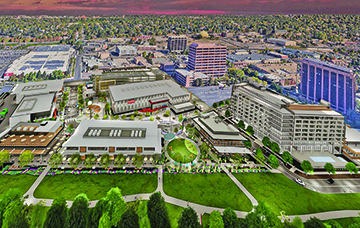
Grand Plans: An architectural rendering depicts the ambitious vision for Glendale’s Four-Mile District, including an Alamo Drafthouse Cinema, hotel, restaurants, retail establishments, and public gathering spaces.
Rob and his wife, Lola, brought a lawsuit as shareholders in Solaro National Bank, claiming that majority shareholder and chairman Michael Quagliano (known as “Red Pant Man” for wearing red pants while sitting courtside at Denver Nuggets home games) spent money on planes and helicopters for personal use, including trips to away Nuggets games.
Another Salazar-related case involved “Auraria Student Housing at the Regency” (formerly the Regency Hotel), which sued an entity called Campus Village, claiming its exclusive agreement with CU-Denver, requiring all new international students and incoming students to reside at Campus Village, was an unfair monopoly. A federal jury awarded the Salazar-related entity $3.26 million, which federal antitrust laws triple for injured parties.
In the LoHi area of Denver, CRC developed a 57-unit apartment building which it sold for $34 million to a third party but signed a lease to keep their office space in the building. CRC then turned around as tenant and successfully sued the new owner as landlord alleging it had created an “intolerable condition” through maintenance problems and a failure to maintain the building at the required standard.
Healthcare Litigation
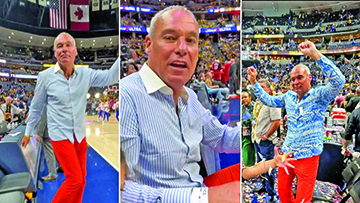
Red Pant Man: Michael Quagliano nicknamed the “Red Pant Man” for his attire attending courtside Denver Nuggets games. He is the subject of a shareholder lawsuit filed by developer Salazar and his wife adding another chapter to the legal controversies surrounding the Four-Mile District’s former developer.
Rob Salazar was originally an accountant and, prior to becoming a real estate developer, was involved in the healthcare field, where he became embroiled in very serious litigation.
The United States government sued him personally, as well as other individuals and entities, including Solomon Health Management LLC, of which Rob Salazar was president and CEO, under the federal False Claims Act, alleging fraudulent Medicare and Medicaid billing. Salazar was able to get some of the claims dismissed, but not others. The public record does not reflect the final disposition of the remaining claims, although numerous lawsuits were filed by individuals relating to the matter, claiming negligent care.
Parking Garage To Nowhere
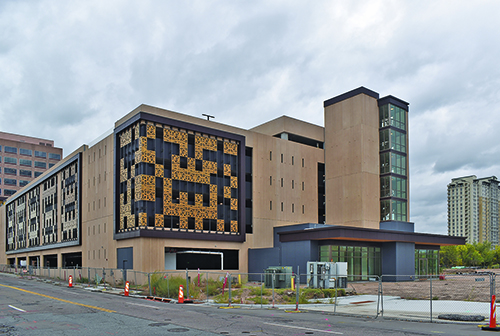
Four-Mile District Parking Garage: The only building constructed by developer Salazar in the currently abandoned Glendale’s Four-Mile District is this empty six-story, 733-space parking garage on Virginia Avenue. Built on a one-acre lot owned by a Salazar-related entity, the $25 million garage was financed entirely by bondholders, with Salazar bearing none of the construction costs.
The only building constructed by Salazar regarding Glendale’s Four-Mile District is a massive six-story, 733-space garage on Virginia Avenue, on a one-acre lot owned by a Salazar-related entity. The parking garage cost $25 million to build, all of which was borne by bondholders and not Salazar.
The money to repay the bonds was expected to come from sales tax and other funds generated by a functioning entertainment district, which is now not going to be built, at least not by Salazar. Critics of Salazar point out that the parking garage could serve a high-density apartment development that they surmise Salazar would want to build on the remaining acreage.
The attorney for CRC, Daniel Richard of the law firm Davis Graham & Stubbs, told The Denver Post/BusinessDen that Glendale’s claim that CRC didn’t plan to complete the project was “false, unsupported, and directly contradicted by the record.” The case is set for trial beginning January 4, 2027.