
On Havana Street


“No one is immune from addiction; it afflicts people of all ages, races, classes, and professions.”
 by Luke Schmaltz
The fundamental allure of using drugs is state change. The human nervous system is a pleasure-seeking construct. In the relentless pursuit of gratification, the human brain has developed an ability to manufacture state-changing compounds such as dopamine and oxytocin.
Modern ingenuity is locked in an undying quest to replace all physical and mental exertion with painless luxury. In doing so, it has removed all effort from dealing with pain and mental unrest and created a smorgasbord of delights for every proclivity, every unique brain chemistry, and every personality.
According to the National Institute for Children’s Health Quality (nichq.org), “Over 20,000 babies are born each year dependent on illegal or prescription drugs” having inherited their mother’s addictions while in the womb. Regardless, every person in the developed world, at an early age, will be bombarded by the concept of ingesting substances that are designed to fix problems and change the way they feel. Through television, internet, streaming video, audio programming, pop culture, peer pressure, and parental behavior — most people come to understand the concept of getting “messed up” at an early age.
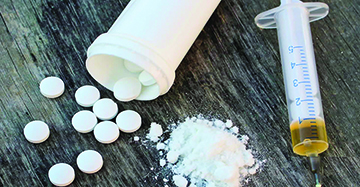
The pervasive inclusion of fentanyl in illegal street drugs and imitation prescription pills is increasing overdose deaths exponentially.
Those among the populace unfortunate enough to be born with certain types of brain chemistry, an addictive personality, or a wide variety of mental issues can become hooked on any number of toxic substances. These can include alcohol, tobacco, methamphetamine, heroin (opioids), cocaine, methadone, and more. Much more.
The specter of addiction hangs over Western society as a constant reminder of how capitalism is hardwired to accommodate the penchant for instant gratification. A culture of escapism and sensory overload is perfectly suited to appease the human tendency to embrace denial and avoid dealing with problems head on.
Start Prevention At An Early Age
Just as children are taught to look both ways before crossing the street and to avoid interacting with strangers on said streets, the topic of addiction should be presented and prioritized with the same immediacy. Yet, Western society, in its infinite irony, is harming kids by keeping them in the dark in an effort to protect them from life’s harsh realities. In most instances, kids simply have no concept of how easy it is to get hooked and the possible outcomes — most of which can be anywhere from unfortunate to tragic.
Education on drugs and addiction starts at home, whether it is through candid conversations between parents and kids or through parental neglect to broach the subject. The former takes the hearsay and mythos out of the equation and creates healthy dialogue between parents and kids. The latter leaves curious children to seek answers elsewhere through their peers, social media, or by observing parental behavior — all of which can be misleading. According to a 2021 report published by SAMHSA (Substance Abuse and Mental Health Services Administration), “If you talk to your kids directly and honestly, they are more likely to respect your rules and advice about alcohol and drug use. When parents talk with their children early and often about alcohol and other drugs, they can protect their children from many of the high-risk behaviors associated with using these drugs.”
The American Heart Association provides sobering insight into the harmful effects of nicotine.
The same report explains that by the age of 15, 50% of kids will have tried alcohol and the same number will have tried an illegal drug by the time they are seniors in high school. State-changing substances are pervasive and inescapable, so the ideal way to deal with them is to take the guesswork away from inquisitive children and explain, in clear language, that drugs can easily harm them, poison them, and kill them.
Escape The Vape
Nicotine is highly addictive and is now available in seemingly harmless vapor form — packaged in flavors such as bubble gum, sweet tarts, gummy bears, and chocolate — which are highly appealing to kids. Since combustion is not involved, vaping can seem like a consequence-free way of obtaining a nice buzz, but the reality of the situation is that, according to the CDC (Centers for Disease Control), “Nicotine can harm the developing adolescent brain and the parts of the brain that control attention, learning, mood, and impulse control.”
Understand The Impulses
Peer pressure can be a big contributor to what causes kids to use drugs.
A child is compelled to use nicotine for the same reasons an adult reaches for a pack of cigarettes, temporary relief from depression and anxiety. You can prevent your kids from getting hooked on nicotine (which can lead to harder drugs) by pinpointing circumstances which are causing stress in the child’s life. Confronting these issues head on and exploring healthy ways to cope such as therapy, exercise, and communication can prevent a child from developing an addictive personality, and it can also strengthen the relationship between children and their parents. Mitigating the fallout from exposure to nicotine and habitual use, according to the American Heart Association, is to establish a comprehensive nicotine-free philosophy which includes vaping, chewing tobacco, and cigarettes. If kids are smoking, it is important to start a dialogue and find out why. The AHA says, “Instead of punishment, offer understanding and help to resist the dangerous lure of tobacco use and addiction.”
Take A Hardline Approach
The defelonization of many hard drugs such as crack cocaine, methamphetamine, and the deadliest of all — fentanyl — is further increasing their availability. If a kid wants to try any one of them, the fact is they don’t have to try very hard to get their hands on some dope. Currently, the establishment’s passe’ attitude toward drug use is sending a message to kids that it’s really no big deal to get high all the time. By accommodating drug addicts with so-called “harm reduction” policies, they are making it an everyday affair for otherwise healthy kids to take drugs, get hooked and possibly overdose and die. Just as adults tell their kids not to drink bleach (poison) and swan dive off 100-foot-high cliffs, adults who want to keep their kids away from addiction should consider talking to their kids often and at great length about the clear and present danger of getting high. This is especially cru
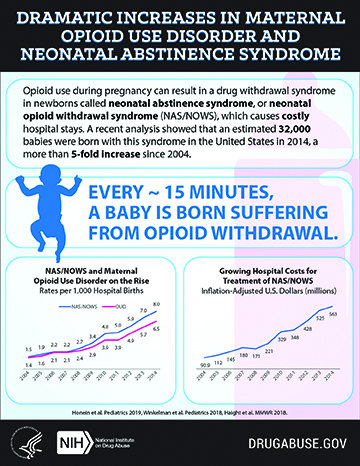
Babies born dependent on drugs suffer from NAS (Neonatal Abstinence Syndrome), a type of opiate withdrawal.
cial with the advent of Fentanyl — a compound which, according to Colorado.edu, is “50 to 100 times more potent than heroin or morphine.”
Kill The Pills
Additionally, the undying popularity of over-the-counter drugs has created a market for counterfeit pills — most of which contain fentanyl. While the pharmaceutical industry is finally being regulated after getting millions of people hooked on their products and claiming untold amounts of human life, the monster they created has taken on a life of its own. The demand for pills that make you feel better has become part of the permaculture, and if people can’t get them legally, they will simply find another way.
The Western medicine approach to mental illness takes the path of least resistance; misdiagnose, overprescribe, and move on to the next patient. The idea of delving into an afflicted person’s unique circumstances and getting to the root of their problems has been deemed by many, both subjects and practitioners, as too time-consuming and simply too damn hard. Thus, the motto, “Take two and call me in the morning.” The idea that feeling better and getting away from your troubles is as easy as unscrewing the lid to a child-proof bottle is flat-out false and should be stricken from the narrative.
Kids should be told, in no uncertain terms, that life can and will be hard sometimes, and staying clean takes constant awareness and vigilance. Pursuing chemically-induced state-change can really screw a person up, can lead to an untimely death and a life-changing tragedy for a family. Tell them the truth, they can handle it.

by Mark Smiley

Collaboration Fest: The Fillmore Auditorium was the venue for the 7th Collaboration Fest on April 2, 2022.
After a two-year hiatus, Collaboration Fest returned on April 2, 2022, at the Fillmore Auditorium. Ticket holders who purchased tickets to the 2020 fest that was cancelled due to the pandemic enjoyed over 150 beers. Guild members teamed up with fellow local and national brewers to create unique and interesting beers that were brewed specifically for this event.
Dubbed as one of the most unique and creative beer festivals in the world, Collaboration Fest is an annual beer festival hosted by the Colorado Brewers Guild. The Colorado Brewers Guild is a non-profit trade association representing Colorado craft breweries and brewpubs founded in 1995. CBG sponsors various beer events each year, such as the Colorado Pint Day, Colorado Brewers Rendezvous, Colorado Strong, and the Collaboration Fest. All of these are designed to increase awareness and appreciation of Colorado brewed beer.
“The sheer number of collaboration beers tapped in one single day is phenomenal,” said Shawnee Adelson, CBG executive director before the festival. “Beer lovers will get to sample everything from tried-and-true styles to some off-the-wall creations. There will be something for everyone at Collaboration Fest.”
Mockery Brewing and Baere Brewing Company collaborated for the seventh time spanning the entire life of the festival. Their first collaboration was Mocking Baered Episode I: Lost On Lacto Island. It started as a joke but then became a story they have told over the course of seven years collaborating together.
“This year, it is an Imperial Red [MockingBaered Episode 7: Some like it Hot!] with a lot of spicy and hot peppers, carrots, ginger, and smoked pineapple,” said Zach Rabun, owner of Mockery Brewing. “We are dipping back into some old recipes for this one. Chile beers are already a pretty polarizing category so we definitely want people to know that they’re going to have a chile beer,” said Ryan Skeels, owner of Baere Brewing Company. “This year we decided to incorporate some elements from collaborations of years past and throw a scorching amount of heat into an otherwise malty, sweet, and fruity beer.”
Mockery & Baere: Back row, left to right: Zach Rabun, owner of Mockery Brewing; Ryan Skeels, owner of Baere Brewing Company; and Jason Woody, Head Brewer of Mockery Brewing. Front row, left to right: Mandie Hardison, Mockery Brewing; and Matt Schenck, Head Brewer of Baere Brewing Company.
Collaboration Fest is among the beer fests that attendees look forward to the most. Also, brewers enjoy this one and were excited to see it return. “I think it would be a universal, industry response that there would be nothing but good things said about it [Collaboration Fest],” said Rabun. “We all do a bunch of different festivals in different formats all throughout the year but collab fest stands out because of the format and while we see the same handful of people at all festivals, this one is unique because everyone is pouring something that was created purposely for this festival. So, it’s not their normal lineup of beers you see at every other festival. You can see the different identities of each brewery and it’s cool to see what they can come up with.”
“Mockery is known for putting unique ingredients in their beers in a thoughtful way and now this is the one time a year that everyone decides they should do that so it is pretty fun,” said Skeels.” “Collab beers tend to be more experimental.”
Other stand outs at the festival were Comrade Brewing Company and Cheluna Brewing Company who collaborated on Szech Juan IPA, an American IPA with Szechuan chiles/peppercorns and Tamarind pulp for a combination of sweet/ spicy/hoppy to hit all the bases. “It’s great to have the festival back after a 2-year hiatus,” said David Li, owner of Comrade Brewing. “It showcases the community and camaraderie the craft brewing industry has. The szechuan peppercorn tamarind IPA we brewed with Cheluna Brewing finally happened after we were talking about it in early 2020.”
Comrade Brewing also teamed up with Glenwood Canyon Brewing Company to brew an American Style Double IPA. They experimented with Thiol enhanced brewing techniques for this collab. Jake Lancaster (Glenwood Canyon), Mark Lanham and David Lin (Comrade) have known each other for some time, and each got the ball rolling on this project.
All collaboration beers can be found at each brewery while supplies last. Comrade Brewing is located at 7667 E. Iliff Ave. in Denver, Mockery Brewing is located at 3501 Delgany Street in Denver, and Baere Brew-ing Company is at 320 Broadway in Denver. For a complete list of beers, visit collaborationbeerfest.com. Follow the Colorado Brewers Guild on social media @coloradobrewers guild.

Citizen Kane
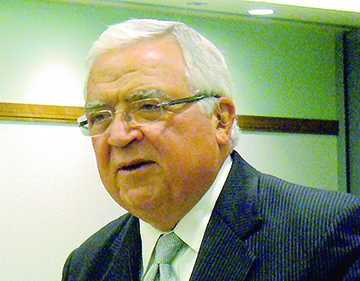
When John L. Kane first donned the black robes of a federal court district court judge and climbed the steps of the judicial pulpit in 1977, most Colorado residents had not even been born. He was appointed by President Jimmy Carter who became known for idiosyncratic judicial picks. Eight years ago, this Editorial Board praised Judge Kane over him taking to task the Denver City Attorney’s Office over the torture case of Jamal Hunter in the city jail. He had been compared to film hero Sheriff Will Kane in the western High Noon. While Will Kane knew when to retire, apparently Judge John Kane does not. The octogenarian jurist is being compared more these days with another film protagonist, the megalomanic John Foster Kane in the film Citizen Kane.
Federal judges have, according to the U.S. Constitution, a lifetime tenure which some judges such as Ruth Bader Ginsburg took literally. It appears octogenarian Judge Kane appears to take a similar view to Justice Ginsburg for his position as a District of Colorado federal judge much to the detriment of the people Colorado. His judgement and acuity appear substantially diminished over the years and it’s getting worse. In the fall of last year, he issued an injunction stopping parents in Douglas County from exempting their children from wearing masks in public schools. The public officials and people of Douglas County had spent months fighting to free themselves from the dictatorial mandates of Tri-County Health and its somewhat crazed executive director Dr. John Douglas who singlehandedly destroyed the oldest and largest health department in the state with his mask mandates.
In September of last year, the duly elected Douglas County commissioners voted to finally be freed of Tri-County and set up its own Douglas County Health Department. The new health department issued a ruling allowing a parent or guardian to sign a written declaration exempting their children from school mask mandates.
Free at last, free at last! The children who have the least risk from COVID-19 were liberated from mask oppression at least with the consent of their parents. But while Douglas County was liberated from the malicious hands of Dr. Douglas they were unfortunately delivered into the hands of germaphobe Judge Kane. The School District with teacher union board members and nine students claimed the health department could not make health decisions for the county; that was up to an 84-year-old federal judge. He issued a highly quixotic ruling claiming under the Americans with Disabilities Act children must be masked. Once the governor declared the COVID-19 pandemic to be over it mooted the bizarre ruling but in theory Judge Kane could become his own health department.
What was pathetic about the ruling was Judge Kane’s apparent inability to even understand the federal courts’ own declarations about mask requirements. A statewide declaration had been issued saying those entering federal courtrooms in Colorado could, but were not required to wear masks, except in high COVID areas of the state. While Grand Junction was considered a high-risk, Denver was not. Directives posted on the courtroom doors of federal judges in Denver, other than Kane, correctly indicated that masks could be worn but were not required. On Kane’s courtroom door, it announced masks must be worn. A judge who cannot read and understand orders on masks probably should not be issuing mask mandates.
Kane’s most recent outrage, and there are many others, was his ruling on the effort of five Republican plaintiffs not to have their nominating process overwhelmed by unaffiliated voters who do not share their political beliefs. Kathryn Murdoch and various other Democrats has been pouring money into Colorado Republican primaries to elect ever more left leading Republicans.

“Rosebud”
In theory, in federal court the judge assigned to your case is random so that plaintiffs cannot forum shop. Whether federal judges can try to get certain cases assigned to them is less clear. The plaintiffs in the open primary challenge case were assigned to President George W. Bush appointee Chief Judge Philip A. Brimmer, considered a favorable draw. But then all of a sudden, Brimmer had a conflicting criminal trial and “abracadabra,” up pops Carter appointee Judge Kane who was generally considered the worst pick the plaintiffs could have gotten.
The Colorado Secretary of State Jena Griswold through the attorney general’s office filed a motion to dismiss for “lack of standing” of the plaintiffs because the Republican Party itself was not a party.
Normally a motion to dismiss for lack of standing is considered first as if granted everything else is moot. The plaintiffs had to know that Kane was itching to get them when he combined the motion to dismiss with the request for a temporary preliminary injunction on what appeared to be specious grounds. It was obvious that Judge Kane wanted to get his pound of flesh from plaintiffs’ attorney Dr. John Eastman, a bete noire to Democrats like Kane for advising Trump and speaking on January 6th at the Capitol.
Kane’s 32-page Memorandum and Order was every bit as biased as expected. On the dozens of issues, law, and fact, Kane found every one in favor of Jena Griswold and then some. It was so one-sided that a 710 KNUS radio personality leeringly read out parts of the opinion on his morning radio show (replacing Peter Boyles) various parts of opinions calling it a “b**** slap” to the plaintiffs and their counsel.
When a radio jock finds your legal opinion so biased as to be entertaining, it’s probably time to retire as a judge. Unfortunately, Judge John Kane appears to enjoy pushing Coloradans around so much they will get to carry him off the bench only after expiring and whispering “Rosebud.”
— Editorial Board