Summit County Garden Club


Ruby Hill Park Turned Into Music Venue
by Glen Richardson
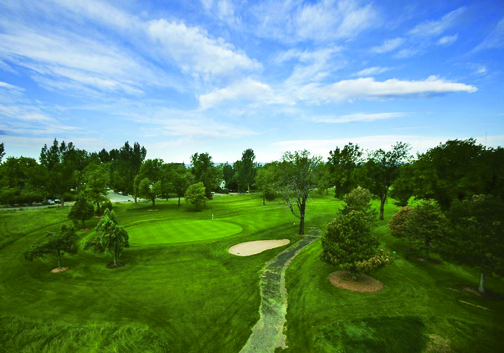 Mayor Michael Hancock’s administration’s unceasing efforts to reduce parkland available to Denver residents and to monetize what remains was greatly enhanced by a scheme to turn Ruby Hill into an outdoor music venue throughout the year and convert adjoining Overland Park Golf course into a mega concert location for six weeks each summer.
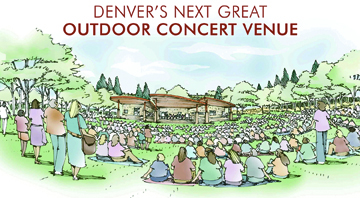
The permanent Levitt Pavilion at Ruby Hill has been constructed at 1380 W. Florida Ave. near I-25 and Santa Fe along the Platte River. The first event is scheduled for July 20, 2017.
There are supposed to be 40 to 50 “free concerts” and 15 to 20 ticketed events. One resident noted: “There is no such thing as a ‘free lunch’ or a ‘free concert.’ Somebody is paying and somebody is making money. We know the city government is totally corrupt. The whole thing has the stench of a con job which we will learn about only later, if at all. I believe nothing the mayor or the members of the City Council say. Pockets are being lined throughout the city.”
The venue is projected to be about two and a half times bigger than Red Rocks Amphitheater, according to the Levitt website. The first free concert is Slim Cressna’s Auto Club. The first paid event ($40, $55 and $75) is the following night (July 21) when
UB40 legends Ali, Asto and Mickey, with special guests Matisyahu and Raging Fyah entertain. The next free concert is the Stone Foxes playing on July 23. Free August concerts are The Suffers on Aug. 3, John Fullbright on Aug. 4 followed by Gaby Moreno on Aug. 24. Levitt Pavilion’s first Beer Festival on Aug. 26 is expected to keep the “Rockin’ Ruby Hill Summer” hot as they’re adding a free concert by Karl Denson’s Tiny Universe considered as one of the best live bands on the planet. Denson now serves as the saxophonist in the Rolling Stones.
The just completed Pavilion itself is a metal mesh-clad building under-laid with a LED screen surrounding the stage. The stage is 43-ft. wide in the front, 30-ft. deep and 60-ft. wide in the back. The stage is large enough to hold the entire Colorado Symphony. The venue includes built-in food truck pads plus concessions. The venue’s official capacity is 7,500 concertgoers, with about 2,500 fitting within the main area where alcohol is allowed. But as executive director Chris Zacher reminds attendees, “The good thing about the venue is we have a movable fence line!”
Choir Of Concern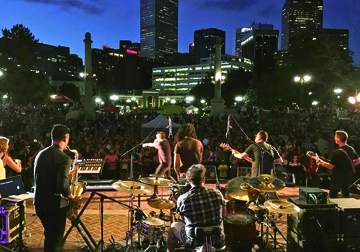
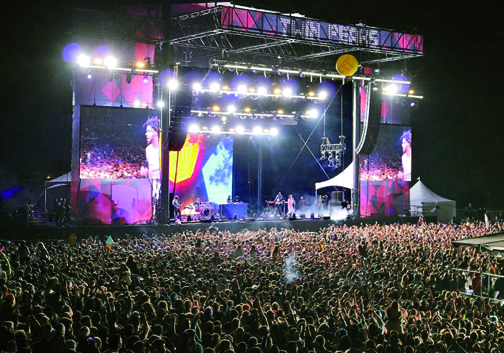
If huge crowds and the musical rebellion starting up at Levitt Pavilion isn’t enough to keep Denver’s south neighborhoods awake at night the City of Denver’s approval on June 20 for a three-day festival across the Platte River at the foot of Ruby Hill on the Overland Park Golf Course beginning in Sept. 2018 has even more detractors. That festival will be an annual event featuring musicians from a variety of genres on multiple stages, as well as food, art and culture. The private promoter of the admission-based music festival says it could host “between 60,000 and 200,000 people over three days.” The historic golf course is a quiet, countrified space just north of Evans Ave., east of South Santa Fe Blvd.’s rushing traffic and west of the Platte River. Many neighborhood residents had hoped to see it remain that way. Proponents, however, say “it will put Denver on the map and bring money into the neighborhood.”
Giant entertainment firm AEG pulled out and Superfly, the company behind both the Bonnaroo in Manchester, Tenn., and Outside Lands Festival in San Francisco is the winner. They receive a five-year, six-week contract annually with the city and the golf course. The amount of time allows for setup, teardown and damage repair. The City Council approved contract is for five years at an annual rate of $200,000, with “additional monetary and non-monetary considerations,” to produce the annual three-day music festival at Overland Golf Course located in Council District 7.
The June 20 Overland Golf Course deal (City Council Bill 17-0678) was offered by District 8 Council member Chris Herndon and received unanimous approval. Wayne New was absent. Citizens briefed on the proposal say the festival will be modeled on the Outside Lands Festival in San Francisco. That event drew 210,000 people last August.
Helene Orr, who lives on West Jewell Ave. across from the Overland Park course, says, “It wasn’t a real process to me. We aren’t in the contract. We can say ‘XYZ’ but how will we know?” Her worry: She believes the city intends to turn Overland Park into a permanent, large-event venue and notes that the Levitt Pavilion opening this month will already host 65-70 concerts per year. While Denver has more concert venues than say Austin or Nashville, it doesn’t have a Sixth Street or Music Row comparable to those cities. Valley music fans truthfully want Ruby Hill to become that location and so does the Mayor’s office and Parks & Recreation Department.
Listen To Tone
Area residents around Levitt Pavilion say they will be closely monitoring noise complaints and sound levels during both free and paid concerts beginning this month. Levitt officials say they hope to work with neighborhoods and make sound adjustments. The reassurances, however, aren’t likely to mollify neighbors opposed to the venue, especially once the fall school season begins.
In addition to the Valley’s music interests, there are supporters for next year’s mega concert on the Overland Golf Course. Rob Lovell and Rana Razzaque who live directly opposite the driving range — where the main stage would be built — argue, “This is progress.” It will be noisy for three days, but it will bring in world-class musicians. “A few large trucks are a small price to pay for a top-notch festival,” says Lovell. Razzaque believes the event will increase infrastructure into the area. Adds resident Paul Bodor, “I didn’t hear any downside that concerns me enough to cloud my enthusiasm.”
Before the Overland proposal was approved, the tone of the debate was less harmonious. “Parks are under attack all over the city and we have to band together to maintain our quality of life in Denver,” says parks activist Bridget Walsh. She has been critical of the Hancock administration’s use of City parks in the past. Mara Owen, president of the Overland Park Neighborhood Assn., says residents have been assured the golf course event would only go forward if community groups agreed it was a good idea. But Walsh adds: “Owen and I fear 200,000 people on a golf course will come to a no-good end.”
City Has The Brass
Denver put plenty of backspin o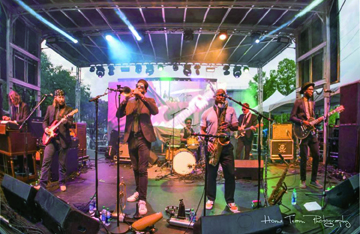 n the proposal because with approval the city has scored an ace: The city will get between $1.5-$2 million from lease fees and seat taxes per year, more as attendance increases. District 7 City Councilman Jolon Clark calls the festival “an opportunity with an estimated $60 million economic impact.” Clark acknowledges that the money will go to the City’s general fund and not to the neighborhood. He adds, however, “I’ll fight to the death to secure the neighborhood a fair share.”
Adding to the City’s winning scoring game is Denver Parks & Recreation Executive Director Happy Haynes. She promised in a press release to “fulfill the guidelines set forth during the community input process.” Furthermore, she adds, the City will “hold the event organizers accountable to protecting that, which is valuable to our city, its residents and neighborhoods.”
Continuing public concerns and questions about the Overland Golf Course deal can be categorized into four main themes: 1) Concerns about impact to the golf course; 2) Concerns about impact to the neighborhood; 3) Benefits that would come to the golf course and surrounding area; and 4) Concerns regarding the contract length, local artists, affordability and revenue to the City. Despite the approval many residents say they have mistrust toward the city and wanted specific guarantees and accountability. Furthermore, residents remain uneasy about parking, trash, noise and community safety.
It’s The Latest And Greatest Rage In Lowry And Stapleton
by Julie Hayden
 It’s no secret the Denver area has one of the hottest real estate markets in the country. But in the new homes in Lowry and Stapleton, the hottest “must have” amenity is a secret. A secret room, that is, a “panic room” or the now-preferred term — a “safe room.” And it’s no longer just for the highest of the high-end homes. Safe rooms are becoming much more mainstream in the Cherry Creek Valley.
Celebrities on the A-List have long invested in safe rooms. Top of the line bunkers offer much more than security from nuclear fallout or terrorist attacks. Some include everything from wine cellars, to Jacuzzis and storage for sports cars.
Lady Gaga’s $23 million dollar Malibu mansion has horse stables, a bowling alley, guest cottage and a safe room off the master suite.
The Napa Valley estate of late comedian Robin Williams featured not one but three safe rooms.
These are not just bunkers for billionaires anymore. One local realtor talking about safe rooms says, “Oh, they’re definitely here in homes in the metro area.” You may not see “safe room” cited in the listing advertisement, but he says, “There are definitely homes in the Denver metro market that include safe rooms as part of home security.”
And certain contractors say “safe rooms” are all the rage in the Lowry and Stapleton areas.
Safe Room Remodel
One Stapleton resident tells us he just finished a remodel project that includes a safe room. The family has young children and he says the project started as a reading and relaxing room for his wife. But the husband saw a booth at a recent home show for Hidden Doors By Design and decided to expand the project into a hidden safe room.
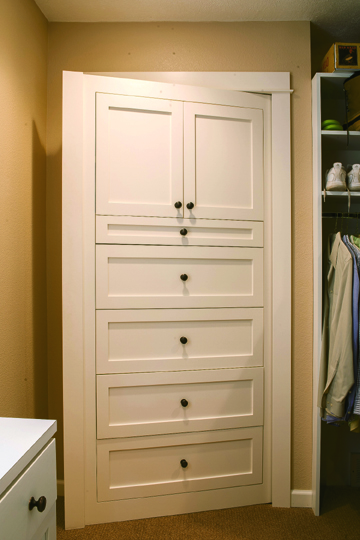
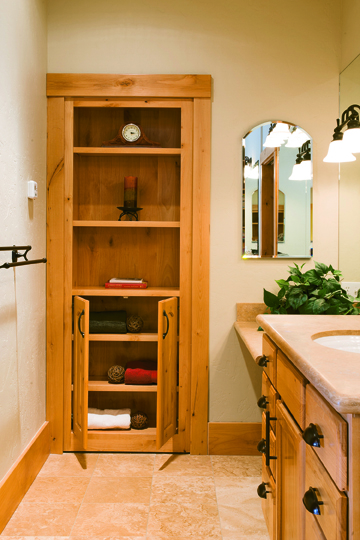
The secret door looks like a regular bookshelf from one sid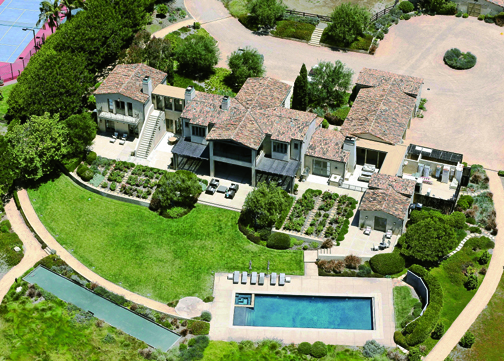 e. But it’s actually fortified, weighs nearly 500 pounds and slides open on ball bearing rollers to reveal the hidden safe room, complete with security communication lines. He estimates the entire project cost $6,000.
“There’s only one thing, “ he jokes. “We just had a baby so my wife never has any time to relax and read in her special room. “Still, he adds, It gives us some peace of mind knowing the safe room is there to protect us should we ever need it.”
Hiding In Plain Sight
A key requirement for any safe room is that it be hidden. Peggy Reed, owner of Hidden Doors By Design in Broomfield says her business is booming. She founded the Denver area company in 2011 and says she’s seeing an increase in the number of homeowners who want a hidden door to conceal a secret room. “I think it’s people who are concerned about safety,” she says and adds, “There is also an increase in people who store their guns and other valuables in a safe but now want the safe hidden as well. “
Reed doesn’t want to reveal security secrets, but explains the doors are fortified with an internal steel structure and look just like a bookcase or drawers and can pass the closest scrutiny. The homeowner accesses the hidden safe room with a remote-control device, which can be concealed anywhere, even disguised as a plant.
Hidden Doors By Design handles exclusive high-end requests. “We have two hidden doors being installed in a $5 million home in the north metro area,” she says. But a growing number of clients have homes in neighborhoods like Lowry and Stapleton. “We sell hidden doors to customers all over the metro area,” Reed notes. The cost varies depending on the design but most of their doors sell for $3,000 to $4,000 dollars.
Popularity Skyrockets
Panic rooms have been a hot topic since the 2002 movie where actress Jodie Foster played a mother huddling with her daughter in a fortified room while burglars invaded their home. In recent years, safe room consultants’ websites boast business is skyrocketing, with more and more people requesting the added security of a safe room.
The actual design is limited only by the homeowners’ imagination and budget. But in general, a safe room is an ultra secure area inside your home where your family can safely retreat during a home invasion, while calling for help and waiting for police to arrive.
And it’s not just for home security. Glendale Deputy City Manager Chuck Line won’t name names, but says, “There are businesses in Glendale that have safe rooms, places where the staff can safely retreat during an invasion or robbery until police get on scene.”
Line explains Glendale does not have any specific requirements regarding safe rooms. “But they have to meet the basic building codes covering things like access and fire protection.” Line points out most safe room building plans don’t actually use the term “safe room” with an arrow pointing to the secure location. But he says a sharp observer looking at building blueprints might notice a room constructed with specific fortified materials. “That would indicate it’s probably a safe room,” Line says.
Peace Of Mind — Priceless
As safe rooms become more popular, they’re also becoming more affordable. Per the websites of safe room contractors, you could fortify a walk-in closet for a few thousand dollars. On the other end of the financial spectrum, you could spend millions of dollars for one of the most luxurious bunkers.
But at a minimum, most secure safe rooms include a steel reinforced, vault type door, ballistic or bullet proof construction materials, a ventilation system, security monitors, survival supplies and back-up communications and energy systems.
Reed says whether you’re looking at a remodeling project or buying a new home, there are safe room options at just about any price point. And the peace of mind is priceless.