by Mark Smiley | Apr 17, 2026 | Uncategorized
By Mark Smiley
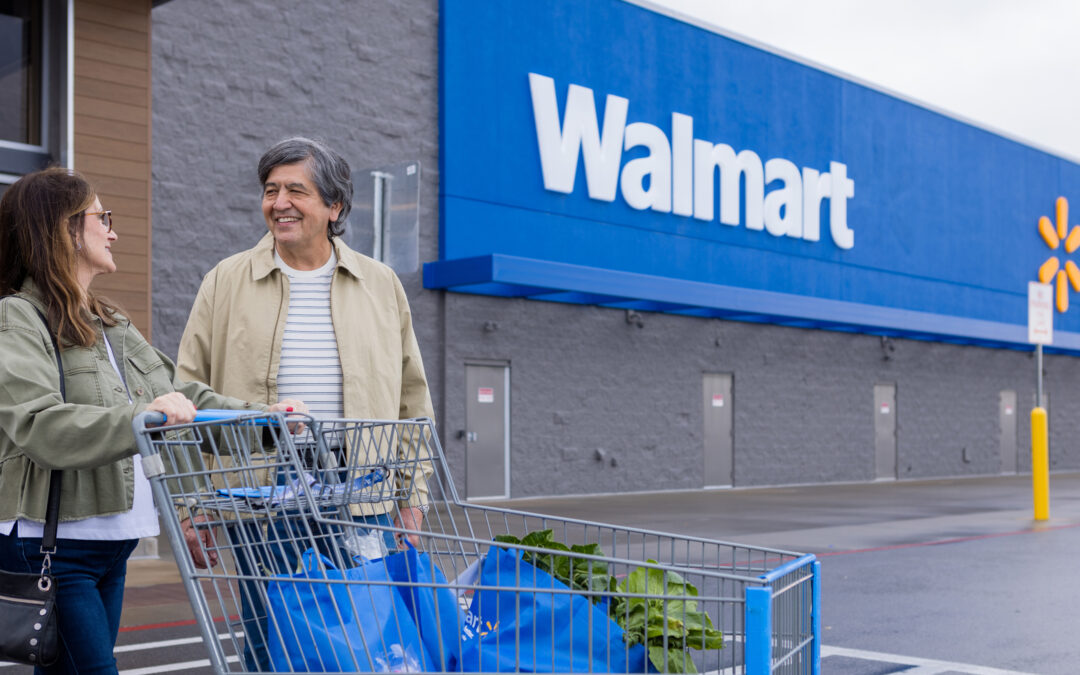
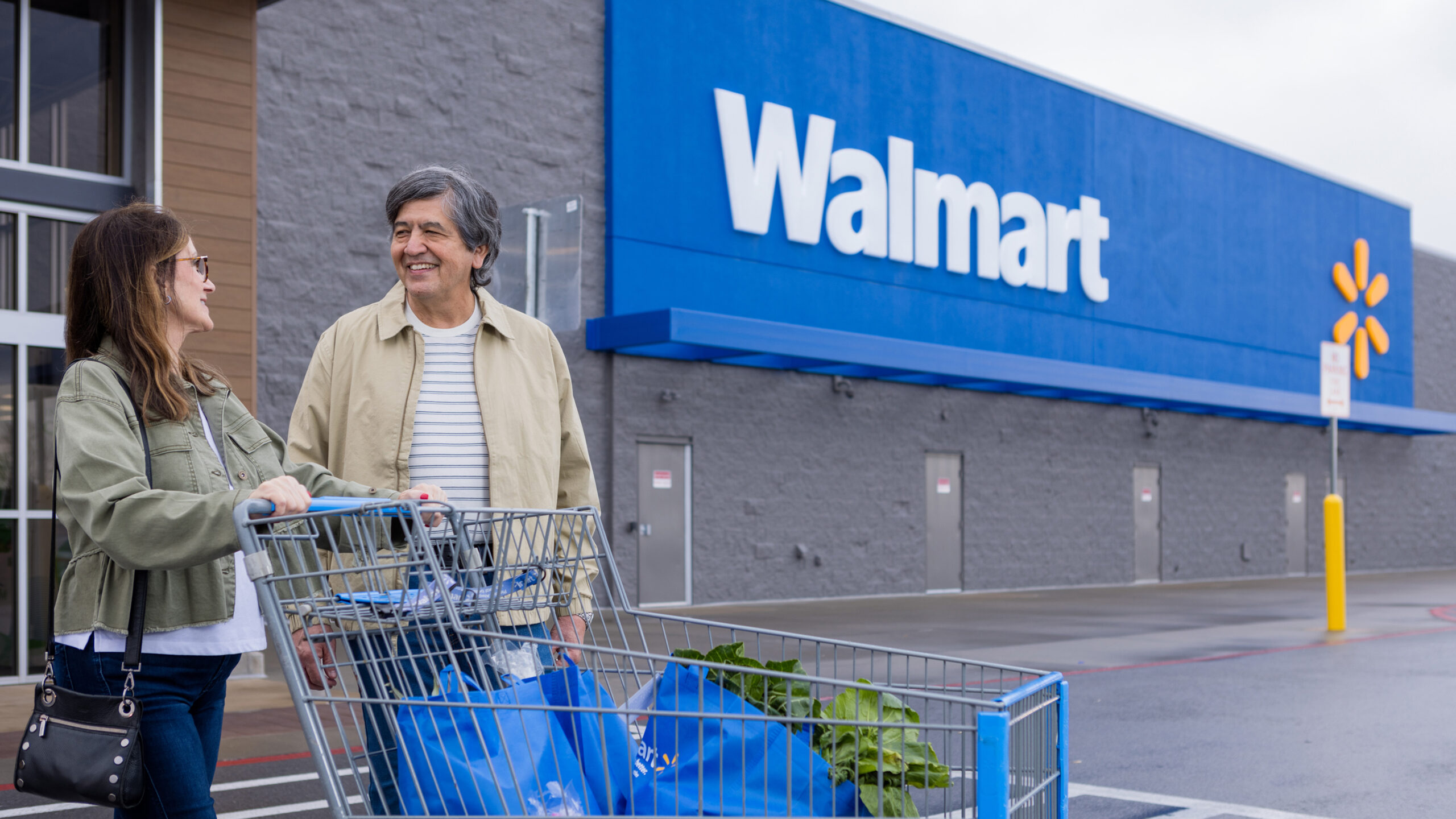 Walmart is doubling down on its investment in Colorado, announcing plans to remodel 18 stores across the state in 2026 as part of a broader effort to modernize its shopping experience and expand services for customers.
The initiative is part of a nationwide plan to upgrade more than 650 Walmart Supercenters and Neighborhood Markets this year. In Colorado alone, the company says it has already invested more than $449 million in store improvements over the past five years.
The remodels will focus on enhancing both in-store and digital experiences, with updated layouts, improved technology, and expanded services designed to make shopping faster and more convenient. Walmart officials say many customers will benefit from delivery options as fast as one hour.
“We’re continuing to invest in Colorado with a focus on how we can better serve communities across the state,” said Jay Cordray, senior vice president of Walmart’s West Business Unit. “By modernizing our stores, we’re making everyday shopping more convenient and creating a more connected experience.”
 Two of the planned remodels are in Denver, including locations on South Parker Road and Chambers Road, both within close proximity to the Glendale and Cherry Creek areas. Residents can expect noticeable upgrades, including improved navigation through Walmart’s mobile app, expanded Auto Care Center scheduling, and new product displays featuring national brands.
The remodeled stores will also expand services such as free pharmacy delivery for Walmart+ members, including medications like GLP-1s, and upgraded Vision Centers offering greater privacy along with eyewear brands such as Nike, Calvin Klein, and DKNY.
Walmart says the upgrades are not just about convenience, but also about economic impact. Each remodel project is expected to generate construction jobs while supporting long-term employment in retail, pharmacy, and store management.
Beyond store improvements, the company highlighted its broader role in Colorado communities. Over the past year, Walmart and the Walmart Foundation donated more than $28 million to local nonprofits and provided 13.8 million pounds of food to help address hunger. The company recently launched its annual “Fight Hunger, Spark Change” campaign to further support food banks across the state.
The planned remodels will roll out throughout 2026 in a phased approach, with locations spanning from the Front Range to rural communities.
As Walmart continues to evolve its stores, local shoppers in the Glendale and Cherry Creek area can expect a more streamlined and tech-enabled retail experience—one aimed at meeting customers where they are, whether in-store, online, or somewhere in between.

by Charles Bonniwell | Apr 17, 2026 | Main Articles
by Charles C. Bonniwell
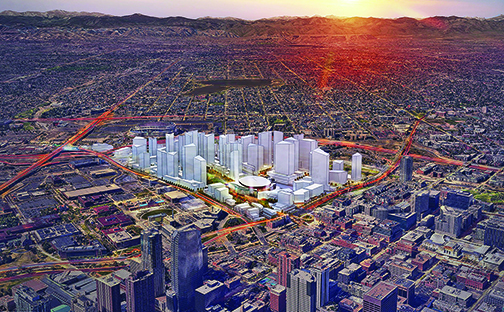
Ball Arena: The ownership of the Colorado Avalanche is taking 55 acres of surface parking and redeveloping it into a new urban neighborhood that would adjoin the River Mile project to its east.
The famous 18th-century French philosopher Voltaire is credited with saying: “Where states have an army, the Prussian Army has a state.” While many American cities have professional sports teams, Denver’s sports teams are the only ones to control the development of an entire city.
Virtually the only major development plans on the boards in the City and County of Denver relate to its various dominant professional sports teams — the Denver Broncos (football), the Denver Nuggets (basketball), and the Colorado Avalanche (hockey).
The Development Plans
Denver’s future growth comes from plans submitted by its sports teams:
- Burnham Yards. The Denver Broncos want a new $2 billion retractable-roof stadium that could host events year-round, including Super Bowls. The Broncos’ ownership acquired a 100-plus-acre former railroad site whose development will include massive high-rises that house five to seven million square feet of retail, office, and housing space. Construction is to start this year with a projected opening in 2031.
- The River Mile. The ownership of the Denver Nuggets purchased 62 acres of land along the South Platte River, which presently houses Elitch Gardens Amusement Park. The site will feature thin, very tall skyscrapers that will include: 47% office space (6.65M sq. ft.), 41% residential (5.85M sq. ft.), 5.5% hotel (790K sq. ft.), and 3.5% retail (520K sq. ft.).
- Ball Arena. The ownership of the Colorado Avalanche is taking 55 acres of surface parking and redeveloping it into a new urban neighborhood that would adjoin the River Mile project to its east. The plans call for 10 to 12 million gross square feet of mixed-use development that would include 6,000 housing units and a new concert venue. The first phase of the project is scheduled to be completed by 2033.
One Conglomerate Of Ownership
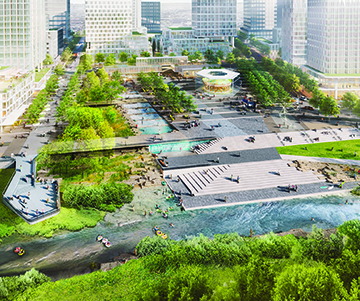
River Mile: The ownership of the Denver Nuggets purchased 62 acres of land along the South Platte River, which presently houses Elitch Gardens Amusement Park. The site will feature tall skyscrapers. Photo Courtesy of Revesco Properties
When discussing the ownership of professional sports teams in Denver, they are slowly morphing into a single massive conglomerate.
In 2022, the Denver Broncos football team was acquired for $4.65 billion by a syndicate headed by Rob Walton, his daughter Carrie Walton Penner, and her husband Craig Penner. Rob Walton is the son of Sam Walton, a co-founder of Walmart, the world’s largest retailer with corporate headquarters in Arkansas. Rob Walton was the chairman of Walmart, and Craig Penner is the present chairman.
Billionaire Stan Kroenke acquired both the Denver Nuggets and the Colorado Avalanche in 2000. In 1974, he married Ann Walton, the daughter of the other co-founder of Walmart, Bud Walton. The couple, through Kroenke Sports and Entertainment, owns a myriad of professional sports teams throughout the United States and internationally.
Until very recently, the piece of the Denver professional mosaic outside the control of the Walton/Kroenke extended family was the Colorado Rockies, owned by a syndicate headed by former beef processors and brothers Dick and Charlie Monfort. While the Monforts are relatively well off financially, they are not in the billionaire class of the Waltons and the Kroenkes. Apparently without offspring to marry into the Walton or Kroenke families, the Monfort brothers sold a 40% interest in the Rockies to the Broncos’ Walton group. While the Waltons do not presently have a majority share of the Rockies, they are expected to eventually obtain a controlling interest.
A major asset of the Rockies is the acres of surface parking in downtown Denver, which are now also ripe for redevelopment by the sports teams.
Crazy As A Fox?
It is fortunate that Denver’s sports teams seem willing to spend billions on real estate development in Denver, as most experts are not at all sanguine about future development prospects in the city. They wonder how Denver could possibly absorb tens of millions of square feet of new office space and housing in the form of apartments and condominiums.
Downtown Denver office buildings have economically disastrous vacancy rates. Various office buildings are selling for a fraction of what they cost to build. To construct millions of square feet of new office space for which there is no present market appears to be foolhardy.
Similarly, rental rates on apartment space in Denver are dropping precipitously, and there are many new apartment buildings in the development pipeline throughout the city. In addition, condominium sales in downtown and across the city are stagnant at best.
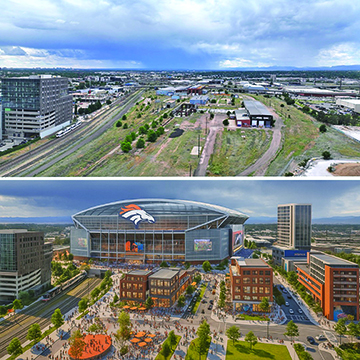
Burnham Yards: The Denver Broncos are proposing a new $2 billion retractable-roof stadium, on the site of the old Burnham Yards, that could host events year-round, including Super Bowls.
Denver’s population is no longer growing, and the business climate in the city and throughout the state is getting steadily worse as the state becomes ever more left-leaning and progressive.
People are fleeing the financial mismanagement of politically blue states such as California, Illinois, and New York, moving to states like Texas, Tennessee, and Florida — and no longer to politically deep-blue states like Colorado.
The Colorado Chamber of Commerce recently wrote to Colorado Governor Jared Polis that a hundred companies have left Colorado due to excessive regulation and other anti-business government practices.
For the Burnham Yards, River Mile, and Ball Arena projects to succeed, they depend on a growing, economically successful Denver and Colorado — unless they are planning to cannibalize from the rest of the city.
But the Walton and Kroenke families did not become billionaires by making poor business decisions. Denver residents can only hope that what they are envisioning happening in Denver in the next decade comes to fruition.
by Valley Gadfly | Apr 17, 2026 | Main Articles
They Are The Quiet Designers Of Our Bravest Moments, Our Steady Hand. This Month Is For Them.
by Glen Richardson
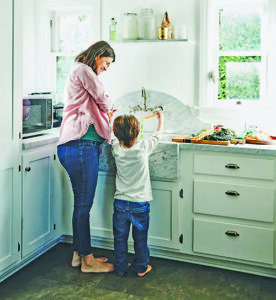
Activity Whirlwind: Mom’s juggle never-ending laundry, family schedules, and the chaos of kids. A test of patience, they are the strength of family.
This is the month to celebrate your first best friend and the person you turn to when you need advice. In 1914, Congress and a Presidential Proclamation established the second Sunday in May — May 10 this year — as Mother’s Day.
A day to honor mothers has existed for as long as, well, there have been mothers. They are like glue. Even when you can’t see them, they’re still holding the family together.
Here’s the Chronicle’s guide for showing your mother, grandmothers, sisters, aunts, and friends how special they are:
Brunch
Brunch on Mother’s Day is a classic, and it’s made even better in Cherry Creek North featuring some of Denver’s top brunch spots. For moms who like to keep it classic, the district also has many restaurants serving dinner. For moms who like to switch it up, there’s beers and burger eateries too.
Here are a few of the many restaurants to consider:
Blue Island Oyster Bar & Seafood: Offering an array of brunch and coastal inspired dishes.
Le Bilboquet: A little corner of Paris at Third Ave. and St. Paul St. featuring French fare in an elegant setting.
Local Jones: Brunch and dinner favorites in the Halcyon Hotel including crab cakes benedict.
Sam’s No. 3: Take your mom and the family to the Glendale, or downtown diner with a huge menu, big portions, and great service.
Toro Latin Kitchen: Hotel Cleo eatery has brunch, a made-to-order crepe station, plus a Bloody Mary bar.
Urban Egg: Restaurant on East 1st Ave. has weekend brunch, including a Lump Crab Cake Benedict.
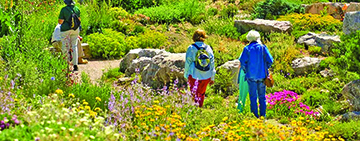
Garden Experience: Treat mom to a slow-paced day at the 24-acre Denver Botanic Gardens this month to celebrate Mother’s Day.
If you’re thinking of treating mom downtown on Mother’s Day, there are lots of restaurant choices. Mother’s Day Brunch at Dazzle is a great choice because it includes live music. This Mother’s Day features jazz vocalist Baily Hinkley Grogan. FIRE Restaurant in the ART Hotel near the Denver Art Museum is another popular choice.
Shopping
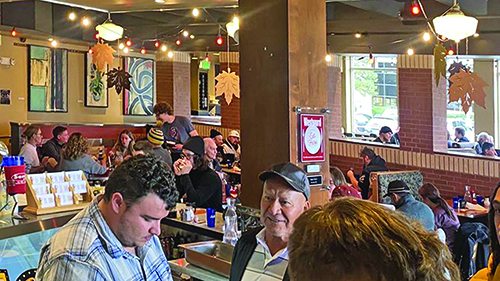
Go-To Diner: Sam’s No. 3 in Glendale and downtown are well-liked options for family celebrations such as Mother’s Day.
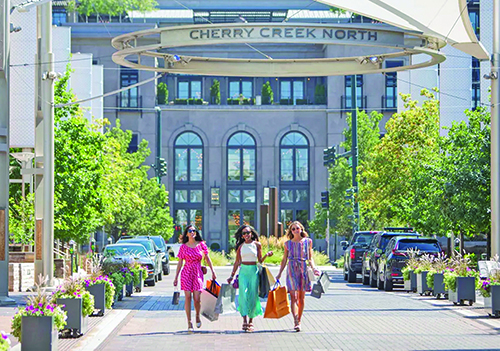
Cherry Creek North is Denver’s premier destination for a Mother’s Day shopping experience. There are more than 200 shops. Moreover, it has the city’s highest concentration of locally owned boutiques. It gives mom a day that practically plans itself.
Wash Park
The Wash Park Home Tour & Mother’s Day Market Street Fair takes place in the picturesque park May 9, 10 a.m. to 3 p.m.
Attendees can explore stunning homes showcasing innovative designs and exquisite decor. The market features local artisans, gourmet food vendors, and various craft stalls.
It’s the major annual fundraiser for Steele Elementary. Information: steelewashparkho metour@gmail.com.
Botanic Gardens
For the mom who finds peace in the petals, skip the crowded restaurants and opt for an afternoon of botanical discovery.
Treat her to a slow-paced wander through 24 acres of world-class flora at the Denver Botanic Gardens. Start by getting lost in the humid greenery of the tropical conservatory before finding a quiet, sun-drenched spot on the lawn to lay down a blanket.
Whether you pack a gourmet spread or grab a light bite from the Hive Garden Bistro, the gardens provide a peaceful backdrop for mom to enjoy. Information: Denver Botanic Gardens Mother’s Day.
Oakwell Spa
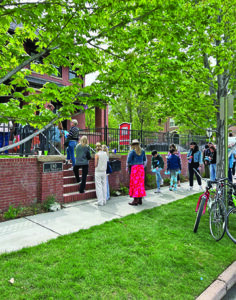
Home Tour: The Wash Park Home Tour May 9, 10 a.m. to 3 p.m., is an opportunity to see innovative designs and exquisite décor.
For a Mother’s Day that is truly fueled by rest and relaxation, book a session at Denver’s Oakwell Beer Spa.
A truly unique experience, it was rated by Time magazine as one of the “World’s Greatest Places.” The downtown location is at 3004 N. Downing St. Information: 720-810-1484.
RiNo Street Fair
For the ultimate “early Mother’s Day” treat, wander down to the RiNo Street Fair to find your mom that one-of-a-kind treasure. Event is May 9 from 10 a.m. to 6 p.m.
The RiNo Art District has been named by USA Today as the Sixth Best Arts District in the United States, rising three spots from ninth place in 2025.
Located in the creative heart of Denver, meander down Larimer Street to shop from local artisans. It’s the perfect place to let her pick out her own gift or for you to find a unique, handmade surprise. With live music echoing off the neighborhood’s iconic murals and a vibrant community energy, it’s a great way to celebrate the spirit of Denver before the Sunday Mother’s Day rush begins.
Flowers & Candy
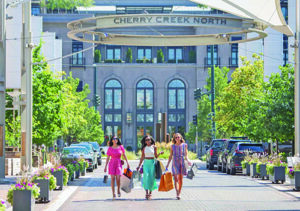
Shopping Spree: With more than 200 shops and the city’s highest concentration of locally owned boutiques, Cherry Creek North is a popular Mother’s Day destination.
Started in 1917 as a “Say it with flowers,” marketing campaign, the tradition of gifting blooms on Mother’s Day continues today. Flowers symbolize love and gratitude, and make a perfect gift for mom.
Newberry Brothers Florist in the Leetsdale Shopping Center — with a design staff and using only blooms straight from growers — is one of the most popular. Bouquets, and The Perfect Petal are other local favorites.
Enstrom Candies on the west side of University Blvd. between 2nd and 3rd Ave. in Cherry Creek — known for its almond toffee and chocolates — is among the most popular. The Cioccolatier in the Cherry Creek Shopping Center is another favorite.
More To Do
From films to fashion, there are a variety of unforgettable shows and events this month that mom would enjoy. Here’s a can’t-miss guide to more ways to treat mom this month.
The SeriesFest — an award-winning festival dedicated to showcasing the best and boldest in episodic storytelling is at the Sie FilmCenter and other venues, May 6-10.
Paper Fashion Show, May 7 in the Stockyards Event Center. Event features 56 original designs created entirely of paper by local designers, a runway show, with awards honoring creative craftmanship.
Denver Potters Spring Show & Sale, May 7-10, at the Sixth Avenue United Church. Top local artists sell ceramics, glass, wood, fiber and personal care products.
by Mark Smiley | Apr 17, 2026 | Main Articles
by Mark Smiley
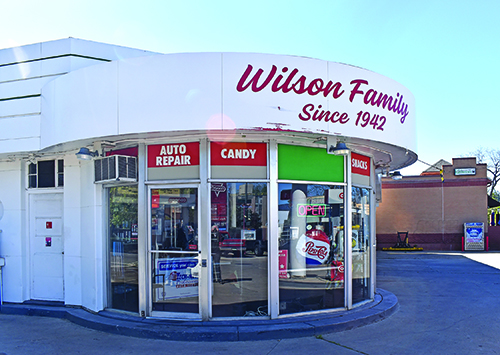
Family Owned: The Conoco at the corner of University Blvd. and Exposition in the Bonnie Brae neighborhood is for sale. The Wilson family has owned the station since 1942 and the land since the late 1970s.
A familiar fixture in one of Denver’s most charming neighborhoods may soon be changing hands. The Bonnie Brae Conoco, long a staple at the corner of University Boulevard and East Ohio Avenue, is officially up for sale, raising questions about the future of the site and sparking conversation among residents.
For decades, the small gas station has served as more than just a place to fill up. Nestled at the entrance to the Bonnie Brae neighborhood, the Conoco has been a recognizable landmark for locals commuting through the area or stopping in for a quick snack, coffee, or last minute essentials.
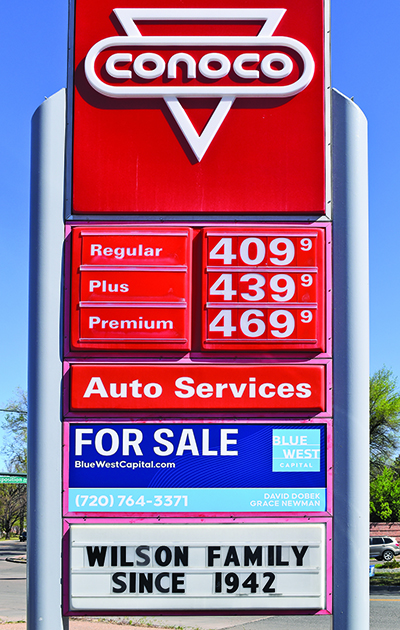
For Sale: The sign on the Conoco station at 724 S. University Blvd. has the words “For Sale” below the gas prices. Ken Wilson and his two sisters signed with a real estate agency in February. The Wilson family has owned the gas station since 1942.
A Neighborhood Touchstone
Bonnie Brae is known for its tree lined streets, historic homes, and tight knit community feel. Within that setting, the Conoco has played a quiet but consistent role, providing convenience while becoming part of the neighborhood’s identity.
“It’s one of those places you don’t think much about until you realize it’s always been there,” said a longtime resident. “You pass it every day. It’s part of the rhythm of the neighborhood.”
Its location at a prominent intersection has made it both highly visible and strategically valuable, factors that are likely to attract strong interest from potential buyers.
Prime Real Estate, Uncertain Future
With Denver’s continued growth and rising property values, small parcels like the
Bonnie Brae Conoco site have become increasingly attractive for redevelopment. The listing has fueled speculation about what could come next, whether the property remains a gas station, transitions to a different retail concept, or is redeveloped entirely.
Real estate observers note that corner lots in established neighborhoods often draw interest for mixed use or boutique commercial projects, particularly in areas with strong foot traffic and nearby residential density.
Still, no official plans for the site have been announced.
Community Reaction
News of the sale has prompted a mix of curiosity and concern among neighbors. While some welcome the possibility of new investment, others worry about losing a familiar piece of the neighborhood fabric.
“There’s always a balance,” another resident said. “You want to see the area thrive, but you also don’t want to lose the little things that make it feel like home.”
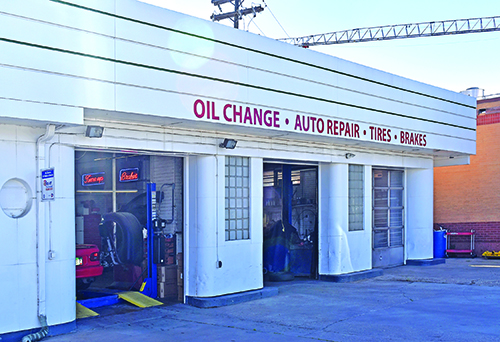
Old School: The Wilson family-owned gas station also features an old-school auto service garage, where oil changes, tires, and repairs have kept cars, and a neighborhood, running for generations.
The conversation echoes broader trends across Denver, where redevelopment has brought both revitalization and debate about preserving neighborhood character.
What Comes Next
As the property enters the market, all eyes will be on who steps forward and what vision they bring. Whether the Bonnie Brae Conoco continues in its current role or evolves into something new, its next chapter will likely reflect the ongoing transformation of Denver’s neighborhoods.
For Glendale and Cherry Creek readers, the story serves as a reminder that even the most familiar corners of the city are not immune to change, and that community voices will play an important role in shaping what comes next.